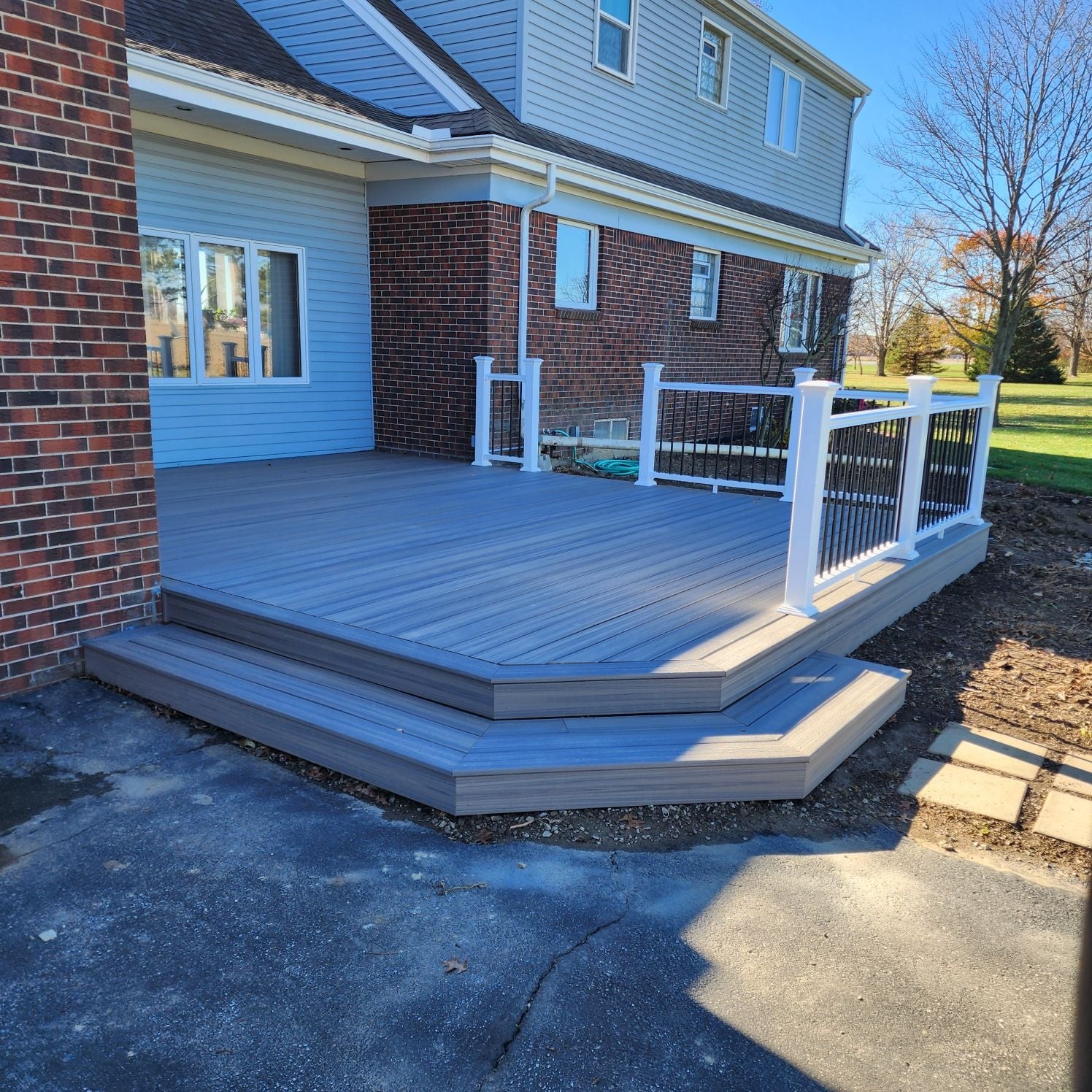









Top-rated deck cleaning pros.

Get matched with top deck cleaning pros in Fish Lake, IN

Enter your zip and get matched with up to 5 pros

Need a pro for your deck cleaning project in Fish Lake, IN?

Select your specific project to find the pro for you.

Find Deck cleaning pros in Fish Lake

Avatar for Home Team Handyman and Remodeling
Home Team Handyman and Remodeling
New to Angi
Deck, Fence, Patio or Porch - Clean and Seal

Serving Fish Lake, IN and surrounding areas

Approved

Reliable, skilled, and detail-focused handyman services you can trust. We handle everything from repairs and maintenance to installations and upgrades — done right the first time. Whether it’s a small fix or a larger home project, we take pride in clean work, honest pricing, and treating your home with care. Quality craftsmanship, dependable service, and results that last — that’s our promise.

Mitchell Emmons
New to Angi
Deck, Fence, Patio or Porch - Clean and Seal

Serving Fish Lake, IN and surrounding areas

Approved

Small jobs welcome

After working for my father as a grunt worker then his contractors to learn the different trades I am seeing out on my own. My wife and I were married this last year and purchased a house built in 1887 that we’re making our own. I take pride in my work but take even more pride in helping others achieve their vision. Whether it be a luxury or a necessary!

Showing 1-10 of 42
Deck Cleaning questions, answered by experts

Most building codes require that spindles or balusters on deck and stair railings be spaced no more than four inches apart. This safety standard, often called the '4-inch sphere rule,' is designed to prevent small children or pets from slipping through the railing. A good way to visualize this is that a 4-inch sphere should not be able to pass between two spindles. For the same safety reason, the space between the bottom rail and the deck floor should also be no more than four inches. As a general guideline, professionals often install three balusters per foot of railing. However, since specific requirements can vary by location, it is crucial to check your local building codes to ensure compliance before starting your project.

Rot loves moisture, so deck rot typically impacts the parts of a board that stay wet. This includes the underside of boards, in addition to support posts and joists. However, any part of a board can rot, given the right conditions. 

Liquid rubber is great for waterproofing, but it can damage your deck if it’s not applied correctly. First, it can trap moisture in the wood if the deck isn’t completely dry before application.  Second, applying it too thickly can create a heavy, rubbery surface layer that peels and cracks under fluctuating temperatures. For the best results, ensure the wood is completely dry before application, and apply the liquid rubber in thin, even coats. A quick inspection every now and then will help you catch any issues early, keeping your deck protected and looking its best.

In most cases, your deck will need some form of deck footing to hold it in place, preventing moisture from rotting your wood and decreasing your deck’s lifespan. Concrete deck blocks are the most common type of footing for floating decks. Some homeowners use ground-level deck footings. For added security, consider digging and laying your ground-level footings below ground.
It’s important to make sure the wood on a new deck is properly seasoned. Seasoning a deck is simple: Once you build it (or have a pro do so), just leave it alone so it can acclimate to the environment. If you don’t give the deck proper seasoning time before staining, the stain can lock in any lingering moisture and cause mold, rot, and other moisture issues down the road. Give the wood at least four to eight weeks to season before you stain.

The Fish Lake, IN homeowners’ guide to deck cleaning services

From average costs to expert advice, get all the answers you need to get your job done.