







Top-rated deck cleaning pros.

Get matched with top deck cleaning pros in Bristol, IN

Enter your zip and get matched with up to 5 pros

Need a pro for your deck cleaning project in Bristol, IN?

Select your specific project to find the pro for you.

TRUSTED BY BRISTOL, IN HOMEOWNERS

  • Average homeowner rating star icon4.4
    Average homeowner rating
  • Verified reviews icon89
    Verified deck cleaning services reviews

Find Deck cleaning pros in Bristol

Avatar for Home Team Handyman and Remodeling
Home Team Handyman and Remodeling
New to Angi

Serving Bristol, IN and surrounding areas

Approved

Reliable, skilled, and detail-focused handyman services you can trust. We handle everything from repairs and maintenance to installations and upgrades — done right the first time. Whether it’s a small fix or a larger home project, we take pride in clean work, honest pricing, and treating your home with care. Quality craftsmanship, dependable service, and results that last — that’s our promise.

Avatar for Chraps Power and Pressure Washing Service
Chraps Power and Pressure Washing Service
4.7(
33
)

Serving Bristol, IN and surrounding areas

In business since 2020

Free estimates

Warranties offered

"Jason did a great job on my project. Good attention to detail. Punctual. Accurate Quote. Very friendly and helpful. Even did some extra cleaning beyond the scope of the project Highly recommend him."
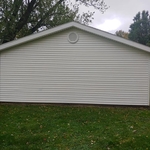
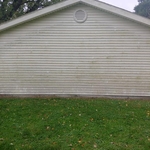
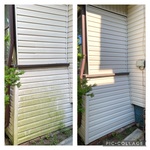
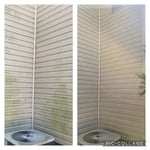
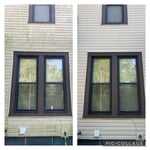
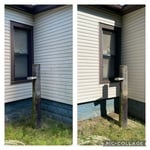
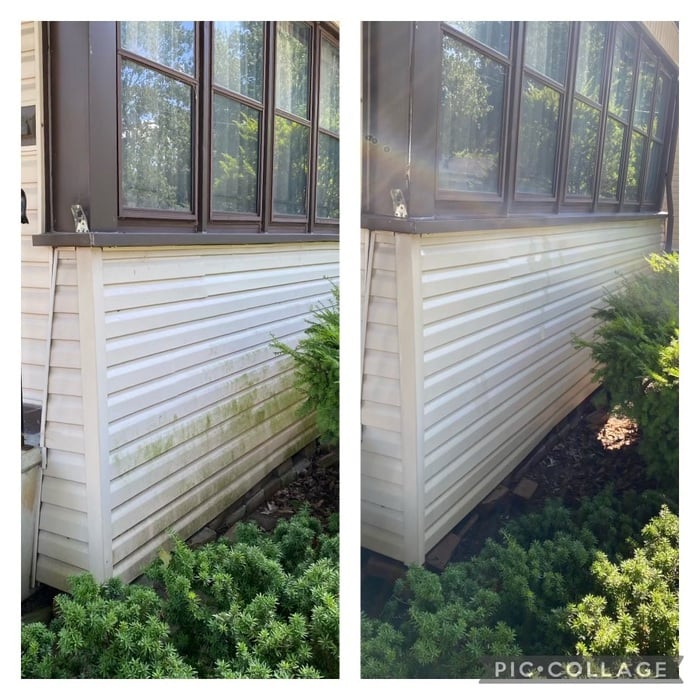
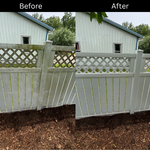
before and after in one
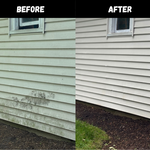
Red Clay and organic growth gone
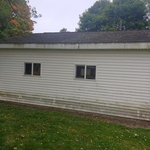
This looked brand new after I finished.
Organic growth and dirt on vinyl siding
Housewash

+16

Response time2 hrs
Response rate96%
Recommended by93%of homeowners

...
Showing 1-10 of 66
Deck Cleaning questions, answered by experts

Ideally, a gate should be able to swing both in and out. However, if it can only open in one direction, it is generally best for it to swing inward. This is often the safest option, especially for deck gates near steps, as you'll want the gate to swing away from the stairs. An inward swing also prevents the gate from opening into a public space, like a sidewalk, and can be more convenient when carrying heavy items like a wheelbarrow into a garden.

There are exceptions, however. The layout of your property may require a different approach. For example, if your property is on a slope, the gate may not be able to swing inward. You should also ensure the gate can open fully without colliding with any objects or blocking access to other areas. For a backyard garden gate where public access isn't a concern, the direction it swings is largely a matter of personal preference. Finally, always check your local building codes, as they may have specific requirements for which way a gate must swing.

Yes, it is possible to add an under-deck drainage system to an existing deck by retrofitting it to the structure. This process may require some prep work. For example, many drainage systems are installed on top of the deck joists, which would require you to remove the decking boards and railings first. To avoid this, you could opt for a below-the-joist drainage system. For best results and to ensure proper installation, it is recommended to consult a professional. A pro can inspect your deck, make any necessary repairs, and then install the drainage system correctly.

Footings for ground-level decks need to be at least 12 inches deep, and some areas require them to be even deeper. A standard range for deck footings is anywhere from 12 to 48 inches. The minimum footing depth is determined by an area’s frost line and soil conditions. If you’re unsure how deep to install deck footings, check local building codes to find the minimum footing depth in your area. 

The best base materials for a ground-level or floating deck are typically gravel and crushed stone (also known as landscaping rocks). These options are inexpensive, provide excellent drainage, prevent weeds, and help minimize moisture buildup, which reduces shifting and rotting. For added stability and to evenly distribute the weight, you can use concrete deck blocks or pavers. While more expensive, concrete blocks and pavers offer a sturdier base than gravel or crushed stone alone.

Yes, deck footings typically require an inspection before laying down concrete. While not all local building codes require footing inspection, proper placement ensures a safe and structurally sound deck. An inspector will verify that the deck can adequately hold what you put on top of it., and that the footings have been dug to the correct dimensions.

The Bristol, IN homeowners’ guide to deck cleaning services

From average costs to expert advice, get all the answers you need to get your job done.