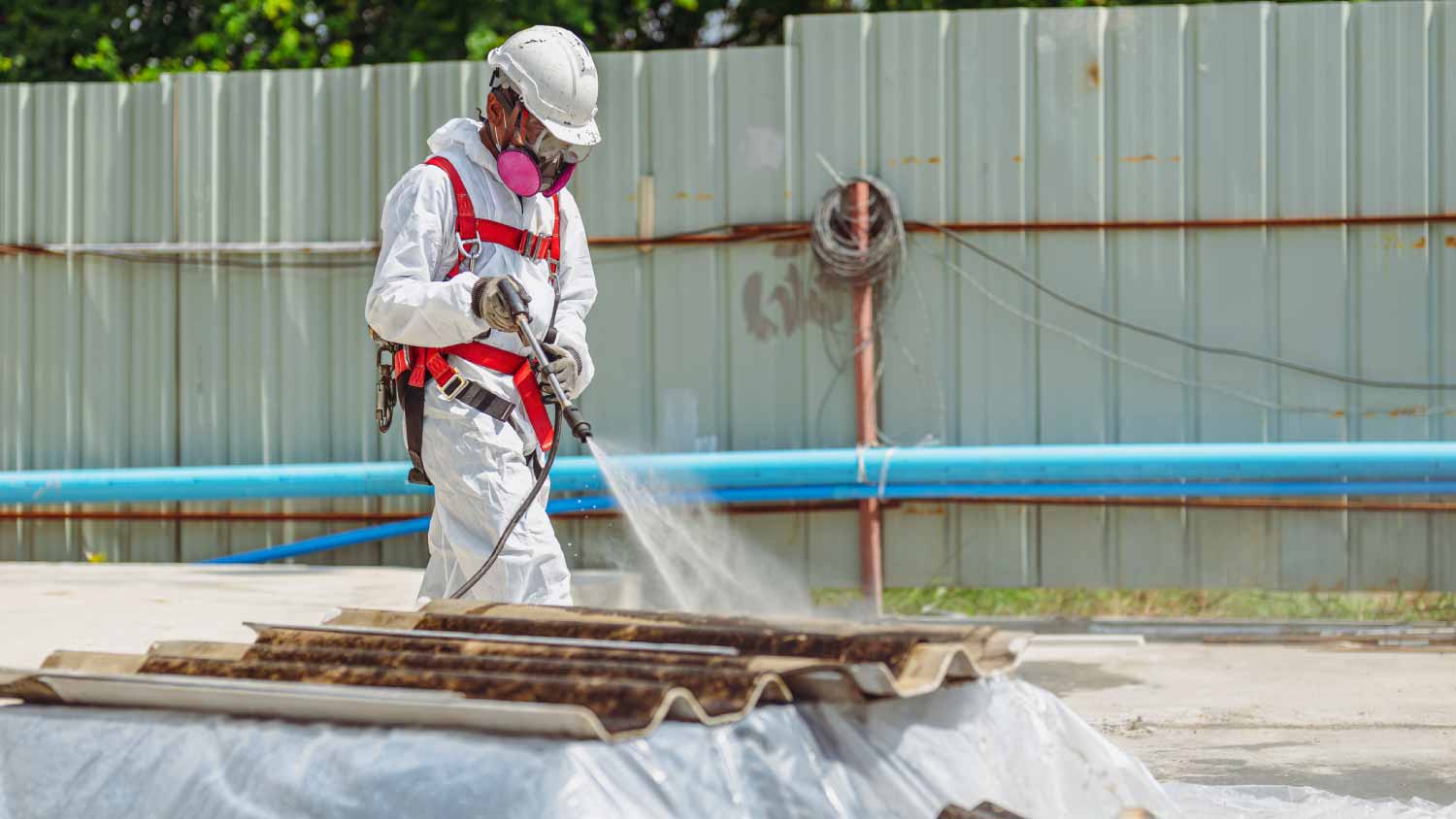
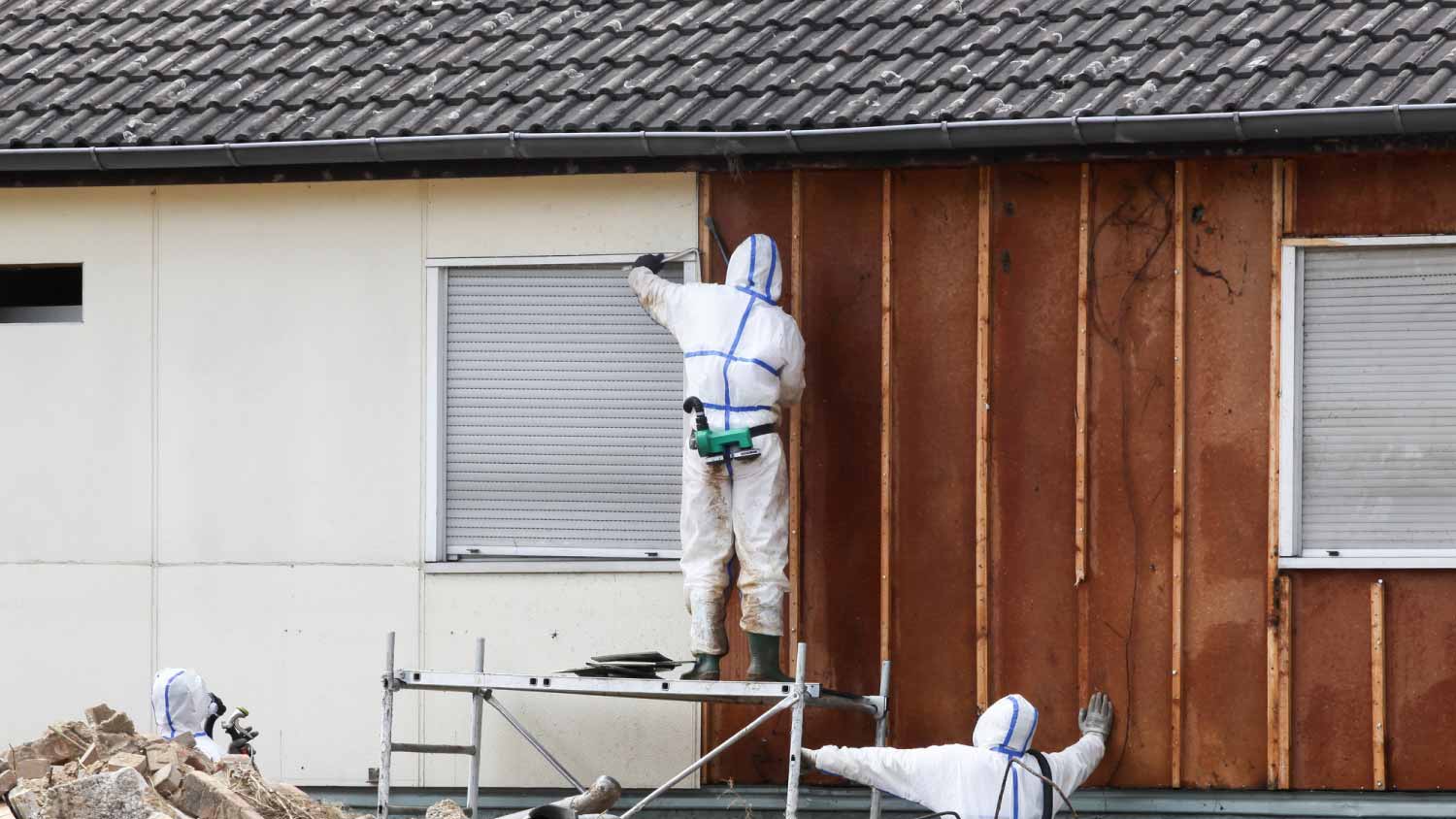
Top-rated asbestos removal specialists.

Best asbestos removal specialists near Delphi, IN

Enter your zip and get matched with up to 5 pros

Need a pro for your asbestos abatement project in Delphi, IN?

Select your specific project to find the pro for you.

Top-Rated Asbestos removal specialists in Delphi - Updated Nov 2026

Martinez Construction
New to Angi
Asbestos Siding - Repair

Serving Delphi, IN and surrounding areas

In business since 2017

Free estimates

Emergency services offered

We take great pride our experience, expertise, quality, and customer service that we provide to meet the consumer's needs. It is our mission to provide excellent workmanship and complete customer satisfaction from start to completion of a project. order to understand the needs and expectations of our customers, we take great care to work and communicate with every customer a professional manner. Our reputation is based on service, safety, and quality, regardless of how large or small the job. \n

Construction
Construction
Construction
Construction
Response time40 mins
LawnCrafters Lawn Care - Home Facebook
New to Angi
Asbestos Siding - Repair

Serving Delphi, IN and surrounding areas

In business since 2005

Free estimates

Credit card accepted

At Finishing Touch Services, we focus on quality over quantity. We use our years of experience and expertise to complete your job with perfection. We believe that customer service is the most important aspect of a business, and your satisfaction is guaranteed. We make sure to keep pictures of all of our past jobs to showcase the quality of work that we do. Please call us today for an estimate!

Asbestos Removal FAQs, answered by experts

It is best to wear a respirator during the sanding, painting, and sealing process. It can filter particles, vapors, and fumes that can be toxic to breathe. So it’s better to be safe and protect your lungs during this project.

In the 1980s, the use of asbestos in house siding materials underwent a significant decline, ultimately being phased out by the mid-1980s to early 1990s. This change was largely due to a growing awareness of the severe health risks associated with asbestos exposure, particularly its link to lung diseases and cancers. With increased public concern and regulatory agency involvement, building codes and regulations were updated to restrict the use of asbestos in construction materials. 

According to the Environmental Protection Agency (EPA), hazardous waste is generally classified into four main categories:

1. Characteristic Wastes: These exhibit at least one of four hazardous traits: ignitability (flammable, like gasoline), corrosivity (can rust or decompose materials, like car batteries), reactivity (unstable and can explode, like aerosol cans), or toxicity (harmful when ingested, like lead-based paint).

2. Listed Wastes: These are specific wastes from manufacturing and industrial processes that the EPA has officially designated as hazardous. They include byproducts from processes that use solvents, pesticides, and other chemicals.

3. Universal Wastes: These are commonly generated hazardous items that are subject to streamlined regulations. Examples include batteries, pesticides, mercury-containing equipment (e.g., bulbs), and some lamps.

4. Mixed Wastes: This category includes waste that contains both hazardous and radioactive components, making it subject to regulation by both the EPA and the Nuclear Regulatory Commission.

If asbestos is found, it is crucial to consult with a professional. They will provide recommendations for appropriate abatement actions, which may include safe removal, containment, sealing, or enclosure. All actions must be planned and executed in accordance with local regulations for handling asbestos.

Epoxying over asbestos tiles is generally considered a safe option when done correctly. Epoxy acts as a sealant, encapsulating the asbestos tiles and preventing the release of asbestos fibers into the air. The key is ensuring that the asbestos tiles are in good condition, firmly adhered to the substrate, and not damaged or deteriorating. This method is only appropriate for tiles that are undamaged and securely in place. If the asbestos tiles are already loose, damaged, or deteriorating, encapsulating them with epoxy may not be a sufficient solution, as it might not address the potential for ongoing asbestos exposure.

The Delphi, IN homeowners’ guide to asbestos removal services

From average costs to expert advice, get all the answers you need to get your job done.