








Top-rated generator install pros.

Get matched with top generator install pros in Dayton, IN

Enter your zip and get matched with up to 5 pros

Need a pro for your generator install project in Dayton, IN?

Select your specific project to find the pro for you.

Find Generator install pros in Dayton

Avatar for Tri-State Water, Power & Air
Tri-State Water, Power & Air
4.3(
8
)
Fixed Generator - InstallGenerator - InstallGenerator - Install - For Business

Serving Dayton, IN and surrounding areas

Approved (Corporate)

In business since 1992

Emergency services offered

Warranties offered

"It was pretty rocky. At first. Several appoints made by Tri-State no one ever showed up.Crew showed up to install the Generator before the site survey and did not have necessary equipment or cooperation of Electric or gas company nor call before you dig had been notified. I called Tri-State to warn them the call before dig had never been preformed. They said they'd take care of it, did not happen until right before installation crew came back the second time. The first time they were here they could not have installed the generator even had they had all the parts because none of the utilities had been marked. Finally after about three months the Generac was installed and working. I had several questions that I could never get answered by calling Tri-State. One of the installation team had to come back a couple of weeks later to replace a damaged part and he answered all my questions. The guys who installed the Generac were great, the problem is your guys operation center and call center as far as I can see do not communicate very well. Anyway the generator has worked fine in several power outages this spring. I am happy right now but I live in dread something goes wrong and I have to call Tri-State for help."
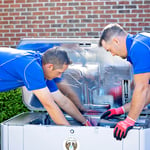
Additional Photos
Additional Photos
Additional Photos
Additional Photos
Additional Photos

+2

68 neighbors recently requested a quote
Recommended by87%of homeowners

Dunbar Electric, LLC
4.9(
14
)
Fixed Generator - Install

Serving Dayton, IN and surrounding areas

Approved

In business since 1995

Free estimates

Credit card accepted

"WOW!!! I am so impressed with their service. I called and received an appointment the same day. The work was completed promptly and I am so happy with the end result. I will be using this company for all my electrical needs. The electricians answered all my questions and were very personable. A wonderful experience. Shellie R."
Response time2 days
Recommended by100%of homeowners
Avatar for NexGen Electrical, LLC
NexGen Electrical, LLC
5.0(
3
)
Fixed Generator - Install

Serving Dayton, IN and surrounding areas

In business since 2025

Free estimates

Emergency services offered

"I called NexGen Electrical on a Thursday morning to ask about removing/replacing my post light. They came out at noon and gave me a quote to replace it. Decided to replace it and was scheduled for the next week. They provided the new light, cemented it in ( even made a run to Menards to purchase a bulb) and the job was completed in about 2 hours. I feel the cost was reasonable. David was very good to work with. Will definitely hire them again for future projects."
7 neighbors recently requested a quote
Showing 1-10 of 18
Generator Install questions, answered by experts

To power a central air system during a power outage, the whole-house generator will need to be at least 5,000 watts, and this number will significantly increase for larger units. Check the specific wattage requirements of your AC unit to choose the right generator size. Consider consulting a generator installer to ensure your whole-house generator meets your electrical load needs.

Sizing a generator is a careful process that requires calculating the electrical load of your entire house. You have to take into account every device you want to use and their wattage requirements, plus the wattage needed to start them, and look for a generator that can safely run all that at around 80% capacity.

In more practical terms, a small home can run on a 10,000-watt generator (and if you only want to power a few key appliances, much less than that). A mid-sized home may need something between 15,000 and 22,000 watts. Larger homes require 25,000 watts or more. 

You can determine what size generator you need for a transfer switch by matching the switch to the largest outlet on your generator. Larger generators can power up to 10 circuits, while most 5,000-watt generators can provide power to six circuits. So, if your generator’s largest outlet is 30 amps, you’ll need a 30-amp transfer switch.

The average cost to install a home generator is $5,200, but total costs can range from $500 to $18,000 or more. The final price depends on several factors, including the generator's size, type, brand, fuel source, and the cost of labor and assembly. The generator's size is the most significant cost factor, as units that can power larger homes with higher energy demands cost more.

Cost breakdowns by generator type are typically as follows:

  • Portable or Emergency Backup Generators (1kW–7.5kW): $500–$2,000

  • Partial-Home Generators (9kW–20kW): $2,000–$6,500

  • Whole-House Generators (22kW–48kW): $5,000–$18,000

To ensure you get the right size unit for your needs without overpaying, consider hiring an electrician to calculate the electrical load of your essential appliances. It is also recommended to get at least three quotes from qualified installers to find the best fit for your budget.

To determine the right size generator for your house, you should calculate the total wattage of the appliances and devices you want to power during an outage. List all essential items, note their start-up wattages, and add them together.

Here are some typical wattage requirements for common appliances:

  • Refrigerator: 600 watts

  • Large dehumidifier: 700 watts

  • Large window air conditioner: 1,400 watts

  • Water heater: 3,000 to 4,500 watts

  • Electric furnace: 5,000 to 25,000 watts

A 7,500-watt generator might be sufficient for essentials like a refrigerator, freezer, well pump, and lighting circuits. However, for high-demand items like a water heater or furnace, a whole-home generator is a better choice. A portable generator may be enough if you only need to power a few critical items.

While home square footage can offer a rough estimate, it is not always a reliable indicator. For reference, here are some typical generator sizes based on square footage:

  • 1,000 sq ft: 6–9 kW

  • 1,500 sq ft: 7–10 kW

  • 2,000 sq ft: 10–14 kW

  • 2,500 sq ft: 12–16 kW

  • 3,000 sq ft: 16–20 kW+

For the most accurate sizing, consult a professional who can calculate your home's peak and average power consumption and recommend the optimal generator.

The Dayton, IN homeowners’ guide to generator installs

From average costs to expert advice, get all the answers you need to get your job done.