




Top-rated excavation pros.

Get matched with top excavation pros in Cedar Lake, IN

Enter your zip and get matched with up to 5 pros

Need a pro for your excavation project in Cedar Lake, IN?

Select your specific project to find the pro for you.

TRUSTED BY CEDAR LAKE, IN HOMEOWNERS

  • Average homeowner rating star icon4.3
    Average homeowner rating
  • Verified reviews icon24
    Verified excavation services reviews

Find Excavation pros in Cedar Lake

Avatar for Courtyard Services, Inc.
Courtyard Services, Inc.
3.7(
74
)
Landscape - Minor Grading or Resloping

Serving Cedar Lake, IN and surrounding areas

Approved

In business since 2001

Free estimates

Warranties offered

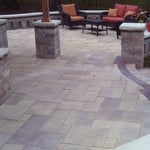
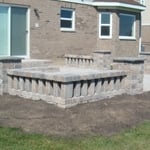
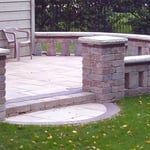
"Mike worked with us on the design of the reconstruction of our front porch and had great recommendations for us. He quoted us a fair price and completed the work On time as promised. We will use his family run company again and I will recommend them to anyone. We have had many compliments on the finished product and we are very happy with it. Thank you Mike and Tami."
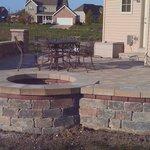
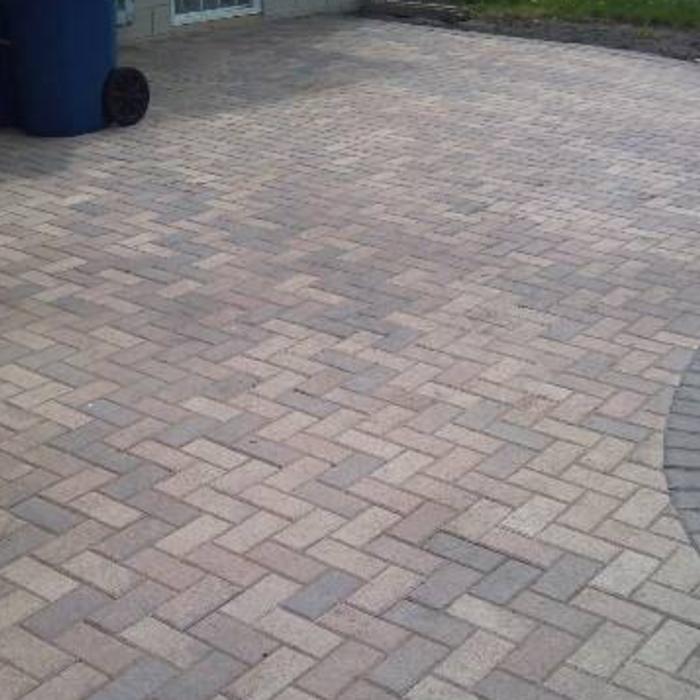
CP Patio
 Patio
 CP Patio
 Firepit
 Patio

+28

Response time1 day
8 neighbors recently requested a quote
Recommended by91%of homeowners

Gooseland Tree and Excavating
3.5(
2
)
Building Site - Preparation and ClearingBuilding Site - Preparation and Clearing - For BusinessExcavation - Major Grading or Resloping+1 more

Serving Cedar Lake, IN and surrounding areas

Approved

In business since 1998

Free estimates

We pride our company on reliability, great communication, integrity, and quality work. We are experts in our trade and will do our best to keep you as educated as we can on your particular task or project. We look forward to earning your business!\nWe have been in business since 1998. We specialize in Excavation work residential and commercial as well as Lawn Maintenance & Tree Removal.

Untitled Gallery 1
Untitled Gallery 1
 Basement
Success Landscaping
New to Angi
Landscape - Minor Grading or Resloping

Serving Cedar Lake, IN and surrounding areas

Approved

At AK Enterprise, we are committed to providing reliable, high-quality landscaping services that bring beauty and value to every property we work on. We specialize in lawn care, landscape design, maintenance, cleanup services, and outdoor improvements tailored to each customer’s needs. Our goal is simple: deliver dependable service, attention to detail, and results that exceed expectations. Whether it’s maintaining a healthy lawn or transforming outdoor spaces, we take pride in helping our customers create landscapes they can enjoy year-round.

...
Showing 1-10 of 70
Excavating questions, answered by experts

The best type of soil to build on is a mixture of sand and clay, known as loam soil. Loam soil has the best combination of these soil types to build a foundation on. The clay particles help with water retention, so it won’t erode like sandy soil might, and the sandy particles help with drainage, so you won’t see unsafe soil expansion or have an increased risk of leaks from water sitting against your foundation.

No, a ditch isn’t a trench. A ditch is an open, relatively shallow channel that’s carved out of the ground and used for drainage purposes. In contrast, a trench is a deeper excavation that’s entirely underground. Trenches have many uses, including gas lines, sewage systems, and electrical wiring. Unlike trenches, ditches don’t get filled back in with dirt after they’re dug.

You should dig 3 to 6 inches deep for plastic edging. Dig as wide as you need to fit your plastic edging into it—2 inches is usually sufficient.

The best way to protect tree roots is to avoid the roots entirely by excavating outside the root radius of the tree. For nearby projects, it’s a good idea to construct a temporary retaining wall. But that’s not always possible, depending on the project and the root system. In these cases, consider using alternative equipment like an auger to tunnel under the ground.

Remember, tree roots can damage nearby cement foundations as they grow. If a tree is close enough to interfere with large excavations, it may be better to remove the tree than risk future problems.

There is no standard depth for burying a septic tank; they are typically buried anywhere from 4 inches to 4 feet underground. The final depth depends on several factors, including the depth of your main sewer line, the height of the bedrock, soil type, local regulations, and the property's landscape. If you plan to grow grass or plants over the tank, a depth of at least 4 to 6 inches is recommended. Deeper tanks can be more difficult to locate, but a septic professional can help find it for you.

The Cedar Lake, IN homeowners’ guide to excavation services

From average costs to expert advice, get all the answers you need to get your job done.