
Top-rated drywall pros.

Get matched with top drywall pros in Bristol, IN

Enter your zip and get matched with up to 5 pros

Need a pro for your drywall service project in Bristol, IN?

Select your specific project to find the pro for you.

TRUSTED BY BRISTOL, IN HOMEOWNERS

  • Average homeowner rating star icon4.2
    Average homeowner rating
  • Verified reviews icon85
    Verified drywall services reviews

Find Drywall pros in Bristol

Avatar for Bonillas Master Touch
Bonillas Master Touch
5.0(
19
)

Serving Bristol, IN and surrounding areas

Approved

Super Service Award Winner

In business since 2024

Free estimates

Emergency services offered

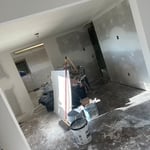
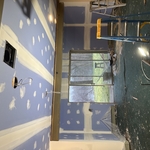
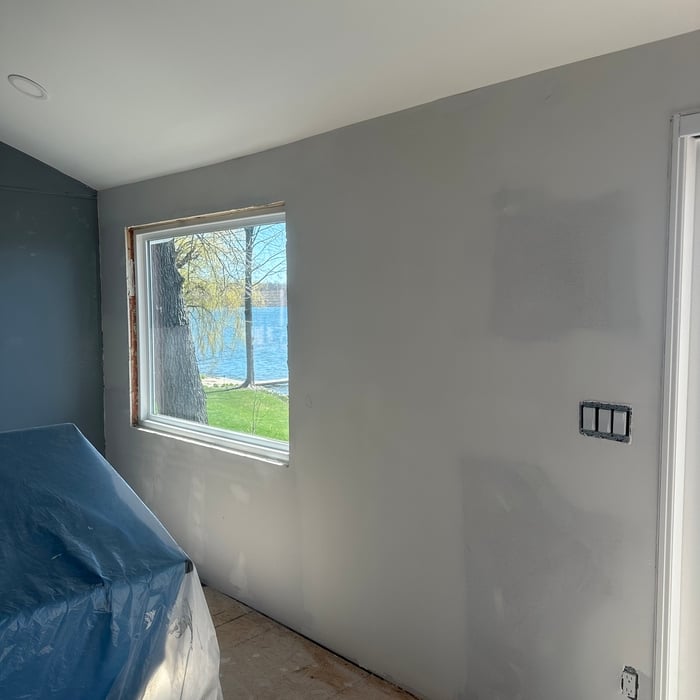
"considering all circumstances things went well with hiring bonillas, we are a young couple just starting out & they gave us a price we couldnt pass up. they drywalled & finished 5 major rooms to the fixer upper we bought. mary was extremely patient & helpful on explaining the process & the obstacles we faced throughout the job they were doing. we plan to use them again for the garage & other parts of the house we plan to finish later down the road."
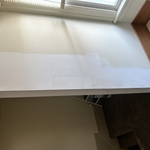
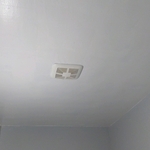
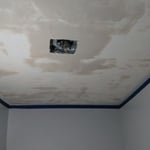
Drywall Project
Drywall Project
Drywall Project
Drywall Project
Drywall Project

+68

Response time2 days
Response rate100%
2 neighbors recently requested a quote
Avatar for Aquino & Sons Drywall LLC
Aquino & Sons Drywall LLC
5.0(
6
)

Serving Bristol, IN and surrounding areas

Approved

In business since 2019

Free estimates

Credit card accepted

Aquino & Sons Drywall LLC is proud to be locally owned and operated. We pride our company on reliability, great communication, integrity, and quality work. We are experts in our trade and will do our best to keep you as educated as we can on your particular task or project. Call on us today. We look forward to earning your business!

Recommended by60%of homeowners
Marquina Drywall & Finishing Performance
New to Angi

Serving Bristol, IN and surrounding areas

Approved

In business since 2010

Offers commercial services

We are dedicated to providing our clients with the very best in drywall and a variety of other projects. With over 20 years of combined experience, we take an enormous amount of pride in the attention of detail put into each of the projects we are involved in. We are known for our quality work and the integrity of our business practices. We look forward to building long-term relationships with our clients and guarantee your satisfaction. Call us today for a quote!

Response time4 hrs
9 neighbors recently requested a quote
...
Showing 1-10 of 148
Drywall questions, answered by experts

Plastering and skimming are two different techniques for finishing walls. Plastering involves applying a thick layer of a plaster mixture—typically containing gypsum, lime, cement, sand, and water—to create a new surface. This process often requires multiple coats and is used for repairing significant damage or creating decorative textures. Skimming, on the other hand, is a technique that involves applying a thin layer of drywall compound or joint compound over an existing surface to smooth it out, covering minor imperfections, small cracks, or uneven textures for a polished look. Plastering is generally more costly and labor-intensive than skimming. Although some people use the terms interchangeably, they refer to different processes and materials.

Although they are used for similar tasks, spackle and joint compound are not the same. Joint compound, also known as drywall mud, consists of limestone and gypsum and is primarily used for large-scale projects like taping and finishing seams on new drywall. Spackle is composed of gypsum and binding agents, making it a thicker compound best suited for small wall repairs like filling nail holes or cracks, as it dries quickly and is easy to sand. For small repairs, either product can be suitable. However, you can use joint compound for small jobs in place of spackle, but you cannot use spackle for large-scale taping and mudding projects.

While not always necessary, you can glue a drywall ceiling in addition to using screws or nails. Drywall is typically secured to ceiling joists with fasteners, which is often sufficient. However, adding construction adhesive can offer benefits like preventing sagging, bridging gaps, and reducing air leaks for better energy efficiency. It may also be used for specific acoustic or insulation needs. On the other hand, many professionals advise against it because properly placed screws make the drywall structural, glue doesn't add strength, and it makes future repairs or replacements significantly more difficult. Ultimately, it's best to follow local building codes and project-specific requirements to decide if adhesive is right for your ceiling.

If your home was built before the 1940s and was not remodeled in the past 50 or so years, you probably have plaster walls. Aside from assuming, there are some practical ways to tell if you have plaster walls, including the following: If you knock on the wall and it feels solid, not hollow, if you can’t insert a thumbtack easily, if there are cracks that look like spiderwebs, or if your home has curved, arched, or swirled walls, doorways, or window openings.

If you have an unfinished basement or attic, you could examine the backs of any finished walls to check, too.

You can drywall an unheated garage because the material handles cold temperatures perfectly well. There are no risks or downsides to installing drywall in a garage that is not heated, and the material stands up to moisture and other elements quite well. Drywall will protect your unheated garage's electric wires and cables and add fire protection. However, for effective bonding, you should install drywall at a temperature of 55 degrees Fahrenheit or higher.

The Bristol, IN homeowners’ guide to drywall services

From average costs to expert advice, get all the answers you need to get your job done.