



Top-rated excavation pros.

Get matched with top excavation pros in Jasper, IN

Enter your zip and get matched with up to 5 pros

Need a pro for your excavation project in Jasper, IN?

Select your specific project to find the pro for you.

Find Excavation pros in Jasper

Avatar for Next Gen Earthworks
Next Gen Earthworks
5.0(
5
)
Building Site - Preparation and ClearingExcavation - Major Grading or ReslopingLandscape - Minor Grading or Resloping+2 more

Serving Jasper, IN and surrounding areas

Approved

In business since 2020

Free estimates

Emergency services offered

"They did an amazing job! I would very highly recommend! Work was very thorough and company replied quickly. Very nice people and they don't quit until job is finished. Please contact them for your excavating needs!!"
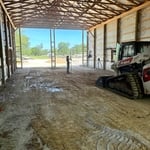
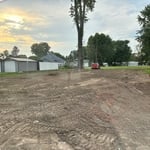
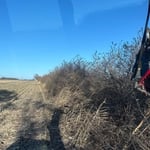
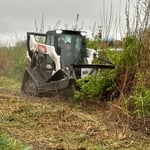
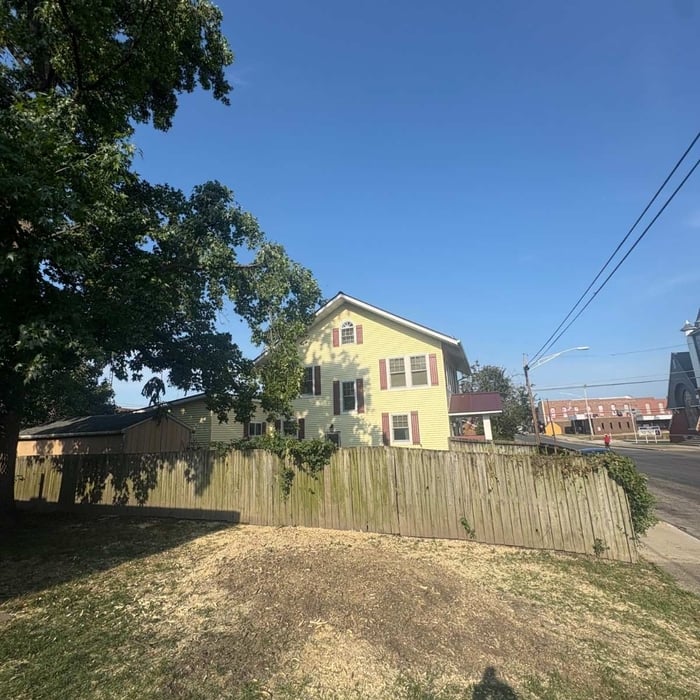
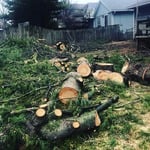
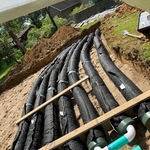
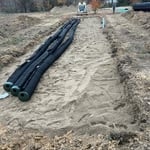
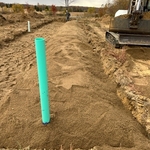
checking grade
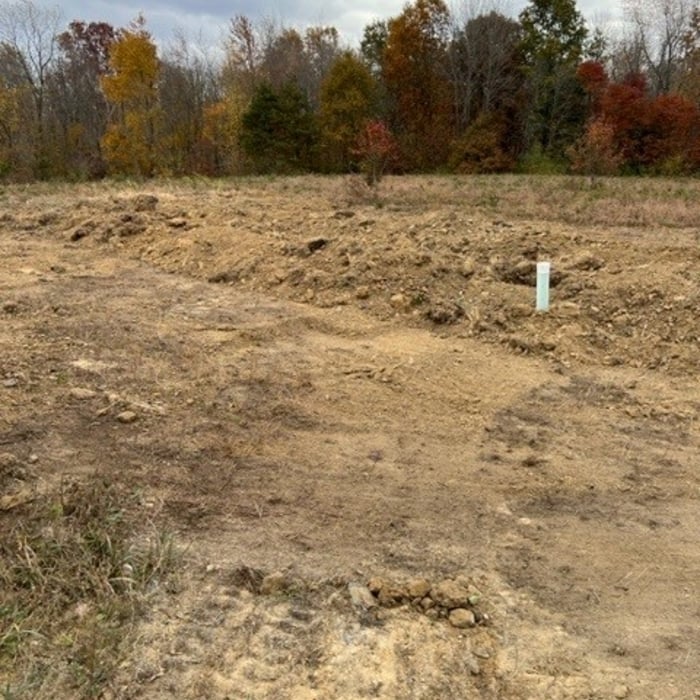
After
Fence line mulching
Rite of way clearing
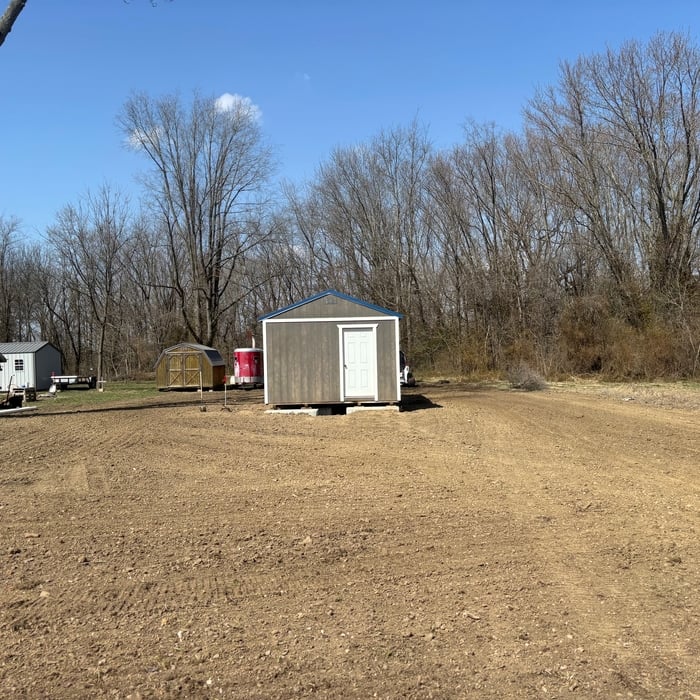
She shed

+20

Response time2 days
6 neighbors recently requested a quote
Recommended by100%of homeowners

...
Showing 1-10 of 52
Excavating questions, answered by experts

No, a ditch isn’t a trench. A ditch is an open, relatively shallow channel that’s carved out of the ground and used for drainage purposes. In contrast, a trench is a deeper excavation that’s entirely underground. Trenches have many uses, including gas lines, sewage systems, and electrical wiring. Unlike trenches, ditches don’t get filled back in with dirt after they’re dug.

Call 811 to locate and mark the gas lines at least three days before digging. In many areas, you can dig within 18 inches of the lines, though in some locations, the distance may be further. Check local regulations, as you may need a utility company representative onsite when digging. Document your calls to 811 and precautions taken to avoid gas lines. A homeowner can be held liable for hitting a gas line in some cases, but contacting the proper authorities and following all guidelines can offer protection.

There are many ways to cut through roots when digging, especially if your trencher doesn’t seem to be removing the roots. First, use a shovel to expose the roots. Then, use gardening shears to clear out smaller roots or a reciprocating saw to remove larger plant roots. If you plan on keeping the plant, avoid cutting any roots over 2 inches thick.

Most residential basements are 8 to 10 feet deep. You can dig deeper depending on building codes, but it does become more difficult. You’ll likely need to install stronger foundation walls and additional supports to handle the increased load. Depending on the water table, you may also need a water management system. Clay soil can support a deeper foundation than sandy soil. A structural engineer will be able to tell you the maximum, feasible depth.

If you’re planning to dig on your property, you’ll need to check for underground utility lines. Call the national call-before-you-dig 811 number. Once connected to an operator, you can schedule a site visit to mark underground lines. This way, you won’t accidentally dig into pipes and can cause major (read: costly) issues.

The Jasper, IN homeowners’ guide to excavation services

From average costs to expert advice, get all the answers you need to get your job done.