





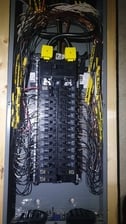
Top-rated generator install pros.

Best generator install pros near Avilla, IN

Enter your zip and get matched with up to 5 pros

Need a pro for your generator install project in Avilla, IN?

Select your specific project to find the pro for you.

Top-Rated Generator install pros in Avilla - Updated Nov 2026

Avatar for Nunez Electric
Nunez Electric
4.9(
85
)
Fixed Generator - InstallPortable Generator - Install

Serving Avilla, IN and surrounding areas

Approved

In business since 2020

Free estimates

Emergency services offered

"Juan was professional and a pleasure to work with. We had a somewhat complicated wall oven install and Juan looked at the job, explained what he was going to do, and completed the job in a timely manner. He cleaned up the kitchen after the installation and went above expectation to make sure we were satisfied. I will definitely hire Nunez Electric again."
Paint bay
Shop
Master bath vanity
Kitchen
Entry hall

+27

Response time2 days
16 neighbors recently requested a quote
Recommended by91%of homeowners

Avatar for M Farrand Electric
M Farrand Electric
5.0(
2
)
Fixed Generator - InstallFixed Generator - RepairGenerator - Install - For Business+2 more

Serving Avilla, IN and surrounding areas

In business since 2019

Free estimates

Emergency services offered

Call us direct, as Angi does not communicate well.\nWe pride our company on reliability, great communication, integrity, and quality work. We are experts in our trade and will do our best to keep you as educated as we can on your particular task or project. We look forward to earning your business! Feel free to give us a call today! 260-233-0252

Response time3 days
Recommended by50%of homeowners
Showing 1-10 of 15
Generator Install FAQs, answered by experts

The cost to install a whole-house generator averages $5,200, with a typical price range of $1,500 to $8,900. However, total costs can vary from $400 for a small portable unit to over $18,000 for a large-capacity system. The most significant cost factor is the generator's size and capacity, but other variables include the brand, fuel type, and labor for assembly and installation.

Generator costs can be broken down by type:

  • Portable or Emergency Backup Generators (1kW–7.5kW): $500 to $2,000

  • Partial-Home Generators (9kW–20kW): $2,000 to $6,500

  • Whole-House Generators (22kW–48kW): $5,000 to $18,000

To avoid paying for more power than you need, consider hiring an electrician to calculate the electrical load for your essential appliances. It is also recommended to get at least three quotes to find the best deal for your specific needs and budget.

With proper maintenance, a whole-house generator can last between 20 and 40 years. The specific lifespan depends on how often and for how long the generator is used, and some models may have their life expectancy rated in hours of operation. To maximize its lifespan, expect to spend around $150 to $300 per year for annual maintenance checks from a qualified technician. During these checks, a technician will inspect the engine filter, starting mechanism, fuel, lubrication, and coolant levels. Consulting your installer and choosing a low-impact fuel like natural gas or diesel can also help ensure your generator lasts as long as possible.

To determine the right size generator for your house, you should calculate the total wattage of the appliances and devices you want to power during an outage. List all essential items, note their start-up wattages, and add them together.

Here are some typical wattage requirements for common appliances:

  • Refrigerator: 600 watts

  • Large dehumidifier: 700 watts

  • Large window air conditioner: 1,400 watts

  • Water heater: 3,000 to 4,500 watts

  • Electric furnace: 5,000 to 25,000 watts

A 7,500-watt generator might be sufficient for essentials like a refrigerator, freezer, well pump, and lighting circuits. However, for high-demand items like a water heater or furnace, a whole-home generator is a better choice. A portable generator may be enough if you only need to power a few critical items.

While home square footage can offer a rough estimate, it is not always a reliable indicator. For reference, here are some typical generator sizes based on square footage:

  • 1,000 sq ft: 6–9 kW

  • 1,500 sq ft: 7–10 kW

  • 2,000 sq ft: 10–14 kW

  • 2,500 sq ft: 12–16 kW

  • 3,000 sq ft: 16–20 kW+

For the most accurate sizing, consult a professional who can calculate your home's peak and average power consumption and recommend the optimal generator.

In most cases, there are no tax credits available for home generators. However, that’s a general statement that applies to federal tax credits, so you might have access to state or local tax incentives. You can check the Database of State Incentives for Renewables & Efficiency (DSIRE) for more information about your area. If you hire a reliable home generator installer, they should also know if there are any state or local perks you can use to reduce your installation costs, including tax breaks and rebates.

Generators are usually sized by running watts and starting watts. Ideally, you’ll want a generator that can offer both the necessary running watts and starting watts for everything you need to power without going beyond 90% of its capacity. Calculate your home’s electrical load based on the breakers in your home or adding up the appliance and lighting needs of connected rooms.

The Avilla, IN homeowners’ guide to generator installs

From average costs to expert advice, get all the answers you need to get your job done.