




Top-rated drywall pros.

Get matched with top drywall pros in Taylor Ridge, IL

Enter your zip and get matched with up to 5 pros

Need a pro for your drywall service project in Taylor Ridge, IL?

Select your specific project to find the pro for you.

Find Drywall pros in Taylor Ridge

Avatar for Next Gen Construction
Next Gen Construction
4.7(
15
)
Drywall - RepairDrywall - InstallDrywall - Install - For Business+1 more

Serving Taylor Ridge, IL and surrounding areas

Approved

Super Service Award Winner

In business since 2024

Free estimates

Emergency services offered

"Quit simply, the best! Fair price, cordial, and on time. In addition, he assisted with another project I needed done that day. Hired again to install a ceiling fan on a high ceiling. I will reach out time and time again for the assuredness of a job well done!"
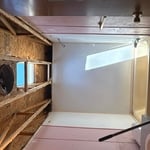
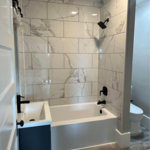
Modern Bathroom Remodel
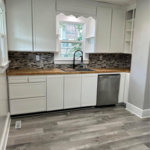
Modern Kitchen
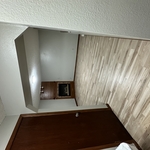
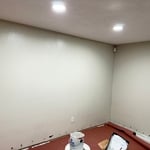
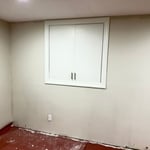
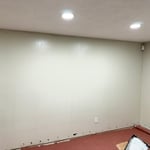
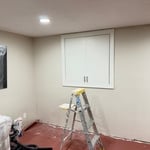
Basement remodel
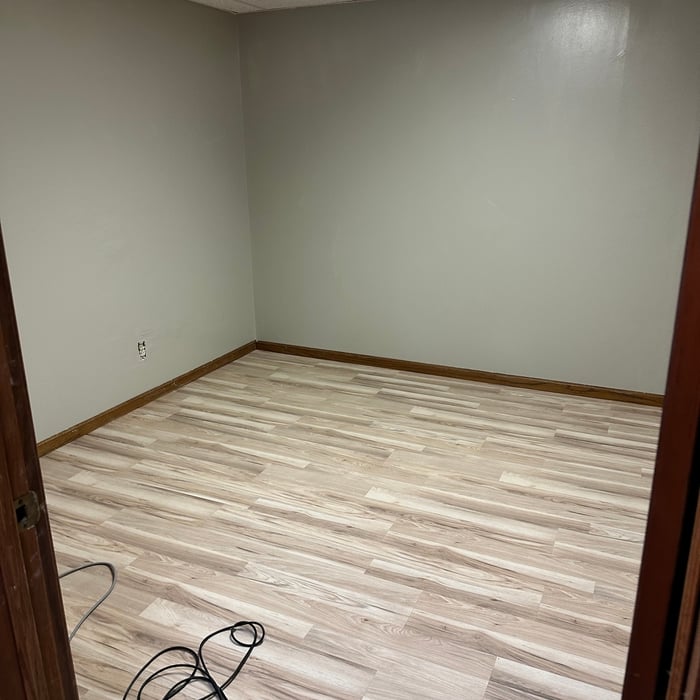
Basement remodel
Basement remodel

+8

Response time2 days
18 neighbors recently requested a quote
Recommended by33%of homeowners
Avatar for Hansen Building & Renovations, LLC
Hansen Building & Renovations, LLC
5.0(
2
)
Drywall - InstallDrywall - Install - For Business

Serving Taylor Ridge, IL and surrounding areas

Approved

In business since 2024

Free estimates

Offers commercial services

"Wade does 95% of the work himself. Bid was more than fair for our project and there were no cost overruns. I was very pleased with the quality of the work and so was the city building inspector. Wade handled changes to the project when we had to move a door and stairs to a different wall midway through the project. We've already hired him for another project."
Response time3 days
...
Showing 1-10 of 92
Drywall questions, answered by experts

Yes, any parts of drywall that are wet or overly moist will need to be replaced. Drywall is intended to be dry (it’s in the name, after all.), as excess moisture can lead to mold and mildew and eventually corrode your home’s foundational building pieces. Do regular inspections in your home to make sure all your plumbing is intact and in good condition—this will go a long way toward preventing leaks.

Although they have similar applications, spackle and joint compound are not the same. Their primary differences lie in their composition, consistency, and ideal use cases.

Spackle is composed of gypsum and binding agents, making it thicker than joint compound. It dries quickly and is easy to sand, which makes it ideal for small wall repair projects like filling nail holes or patching minor damage.

Joint compound, also known as drywall mud, consists of limestone and gypsum. It is primarily used for large-scale projects, such as taping and finishing the seams on newly installed drywall. It tends to shrink more than spackle and can be more difficult to spread.

While both products can be used to fill small depressions and cracks, spackle cannot replace joint compound for taping and mudding new drywall. Conversely, you can often use joint compound for small patching jobs typically done with spackle.

Whether you can reuse a drywall anchor depends on its type, material, and how it is removed. Plastic anchors, such as expansion or self-drilling types, are generally considered single-use because they are designed to expand and are likely to break or become deformed upon removal. Metal anchors, like toggle bolts, are more durable and can often be reused if they are not damaged during extraction. However, with toggle bolts, the toggle mechanism can fall inside the wall when the bolt is removed, making it difficult to retrieve. If an anchor is damaged or must be cut for removal, it cannot be reused regardless of its material.

Depending on the place where the cutting error occurred, you may be able to fix it. Learning how to patch a hole in drywall is challenging, but if you can tape and mud drywall, you can do it. Having said that, patching is time consuming. Early in the installation process, you may find that it’s easier and far less time consuming to just start over with a new sheet of drywall, cutting a new hole in the right spot. You may be able to use part of the incorrectly cut piece elsewhere, so it’s not completely wasted.

Certain drywall textures, like sand and sometimes popcorn, can be smoothed by applying skim coats, sanding the walls, or chipping away the texture. However, it’s worth considering removing the texture and starting with a blank canvas. Smoothing textured walls requires a lot of sandpaper and elbow grease and can take longer than just outright removing the texture.

The Taylor Ridge, IL homeowners’ guide to drywall services

From average costs to expert advice, get all the answers you need to get your job done.