Get matched with top generator install pros in Sheldon, IL
Top-rated generator install pros.

Need a pro for your generator install project in Sheldon, IL?

Select your specific project to find the pro for you.

Find Generator install pros in Sheldon

Avatar for Tri-State Water, Power & Air
Tri-State Water, Power & Air
5.0(
5
)

Serving Sheldon, IL and surrounding areas

Approved (Corporate)

In business since 1992

Free estimates

Emergency services offered

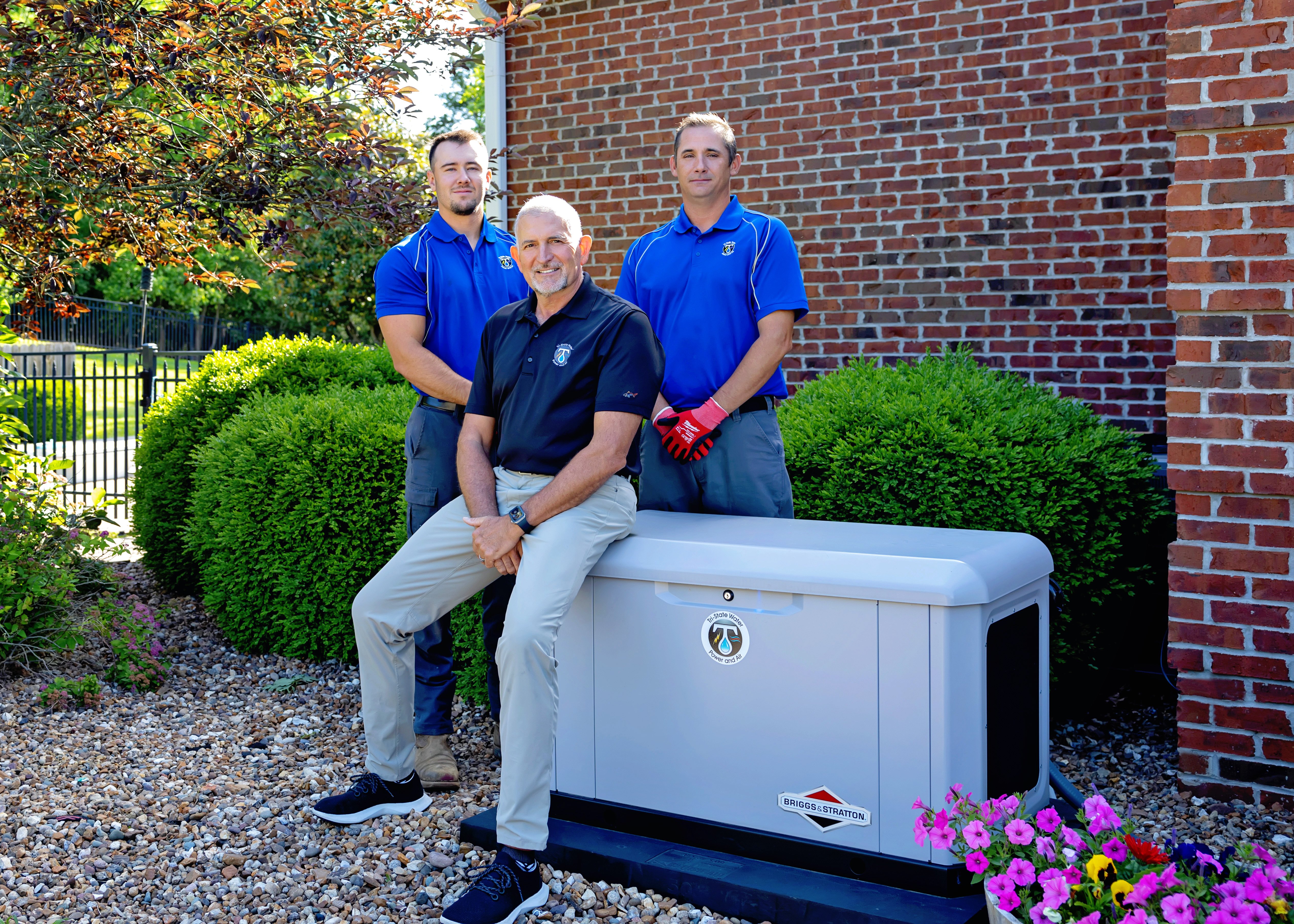
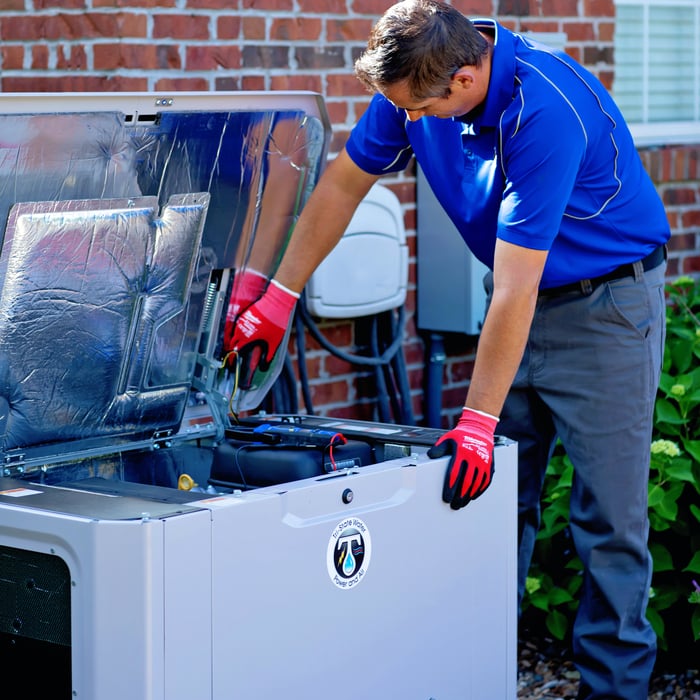
We are the experts in the field of Whole Home Generator Sales and Installation, with over 20 years of experience in the game.\nWe provide turn-key installation by licensed professionals - 24 hour emergency service - Remote Monitoring - Long term maintenance and service by factory trained technicians.

Additional Photos
Additional Photos
Additional Photos
Additional Photos
Additional Photos

+3

44 neighbors recently requested a quote
Avatar for Imperial electric
Imperial electric
5.0(
17
)

Serving Sheldon, IL and surrounding areas

Approved

Free estimates

Emergency services offered

Warranties offered

"I had an outrageous quote (nearly $2K) from a big multi service contractor and looked here for a small business electrician. Daniel of Imperial Electric came out straight away and fixed the problem down the line that had taken out power to two of the kitchen outlets. It was a puzzle but he solved it for $260. I will be referring him to friends and family."
156 neighbors recently requested a quote
Avatar for Sergio Chaidez
Sergio Chaidez
New to Angi

Serving Sheldon, IL and surrounding areas

Hello there! As you can see, I am an electrician and HVAC technician. I have 13 years of experience as an electrician, and I am currently working on obtaining my HVAC license. You can trust that I will perform the work for you in a professional and safe manner.

Generator Install questions, answered by experts

Generators are usually sized by running watts and starting watts. Ideally, you’ll want a generator that can offer both the necessary running watts and starting watts for everything you need to power without going beyond 90% of its capacity. Calculate your home’s electrical load based on the breakers in your home or adding up the appliance and lighting needs of connected rooms.

To determine the right size generator for your house, you should calculate the total wattage of the appliances and devices you want to power during an outage. List all essential items, note their start-up wattages, and add them together.

Here are some typical wattage requirements for common appliances:

  • Refrigerator: 600 watts

  • Large dehumidifier: 700 watts

  • Large window air conditioner: 1,400 watts

  • Water heater: 3,000 to 4,500 watts

  • Electric furnace: 5,000 to 25,000 watts

A 7,500-watt generator might be sufficient for essentials like a refrigerator, freezer, well pump, and lighting circuits. However, for high-demand items like a water heater or furnace, a whole-home generator is a better choice. A portable generator may be enough if you only need to power a few critical items.

While home square footage can offer a rough estimate, it is not always a reliable indicator. For reference, here are some typical generator sizes based on square footage:

  • 1,000 sq ft: 6–9 kW

  • 1,500 sq ft: 7–10 kW

  • 2,000 sq ft: 10–14 kW

  • 2,500 sq ft: 12–16 kW

  • 3,000 sq ft: 16–20 kW+

For the most accurate sizing, consult a professional who can calculate your home's peak and average power consumption and recommend the optimal generator.


In many cases, yes. There are models called dual-fuel generators and fuel switches, but only between certain types of fuel. For example, with the right setup you can convert a generator from natural gas to propane. Some allow switching between diesel and gasoline. There are even tri-fuel generators available in some cases, which adds a large layer of security if you are worried about fuel availability in times of crisis. Always check your generator capabilities and manual instructions before trying to switch fuels. Some generators can use another fuel but may need a fuel conversion kit to prep them first.

Yes. You can connect your home back-up battery to a generator with its designated charger. Be sure that the output of the generator matches the input requirements for the battery for best results.

Whole-house generators need to be installed on level ground several feet away from walls and other objects. Because they tap into the electrical system directly, they usually need to be close to your home electrical panel for a transfer switch installation. It also helps with installation if they are near to a gas line or propane tank installation.

The Sheldon, IL homeowners’ guide to generator installs

From average costs to expert advice, get all the answers you need to get your job done.