




Top-rated tree service pros.

Get matched with top tree service pros in Rock Falls, IL

Enter your zip and get matched with up to 5 pros

Need a pro for your tree service project in Rock Falls, IL?

Select your specific project to find the pro for you.

TRUSTED BY ROCK FALLS, IL HOMEOWNERS

  • Average homeowner rating star icon4.8
    Average homeowner rating
  • Verified reviews icon48
    Verified tree services reviews

Find Tree service pros in Rock Falls

Avatar for Elite Seamless Gutters, Inc.
Elite Seamless Gutters, Inc.
4.5(
401
)

Serving Rock Falls, IL and surrounding areas

Approved

In business since 1999

Free estimates

Emergency services offered

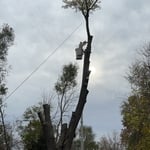
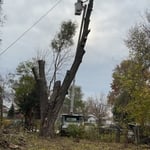
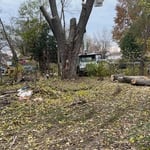
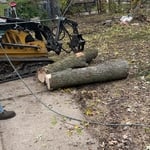
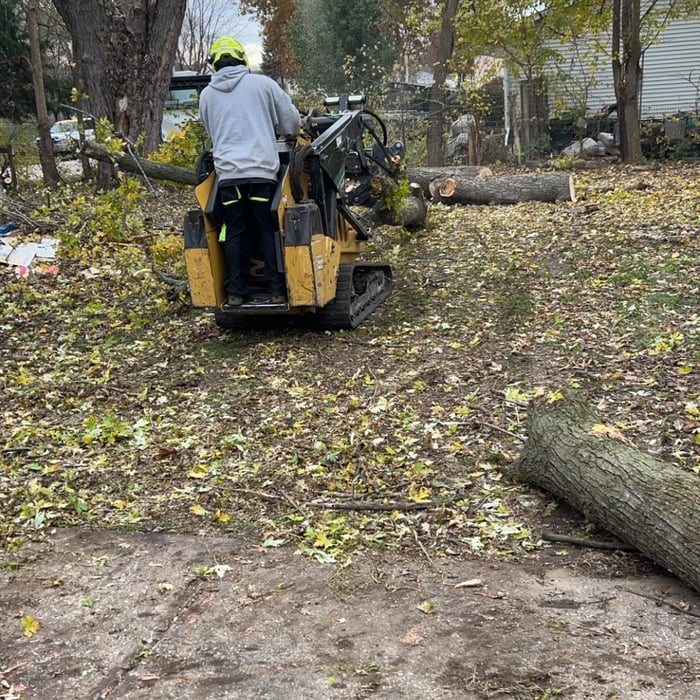
"They had the whole tree taken down within the afternoon. The tree was surrounded by power lines,which no other tree service could handle with the equipment they had. They pulled out the remaining roots that would've damaged our newly paved driveway . We also were very satisfied with their landscaping . Highly recommended! They will be the first to call if we need any work done."

Additional Photos
Additional Photos
Additional Photos
Additional Photos
Additional Photos

+5

Response time9 hrs
Response rate100%
11 neighbors recently requested a quote

Tree Service
5.0(
1
)

Serving Rock Falls, IL and surrounding areas

In business since 2018

Free estimates

Tree Service provides exceptional service to the surrounding areas. Always taking pride in all of our services. Whatever your Tree Service needs may be, you can count on our company to leave you satisfied and happy. Our customer satisfaction is our top priority and we will earn your trust for a lifetime. We believe in making all clients repeat clients. \n \nCall us today you'll be relieved you did. Thank you

Response time2 days
Recommended by100%of homeowners
LKP Solutions, LLC
5.0(
2
)

Serving Rock Falls, IL and surrounding areas

In business since 2018

Free estimates

Offers commercial services

Customer satisfaction is what determines our success, which is why we take a hands-on approach. When interacting with **, you'll notice that we're particularly focused on the principles of quality workmanship, timely completion, competitive pricing and integrity in all our business dealings. We combine knowledge and research with our extensive practical experience to ensure a specialized approach for your project needs. Contact us today for a fair and accurate estimate of your project. We look forward to adding you to our long and growing list of happy customers.

Response time11 hrs
Recommended by100%of homeowners
Showing 1-10 of 34
Tree Service questions, answered by experts

Tree pruning is a common and helpful tree maintenance technique that involves carefully cutting and trimming unwanted branches so that the tree can continue to grow and thrive. Pruning is done carefully and intentionally. Tree topping is a frowned-upon method that involves removing and cutting most or the entirety of the top of the tree, including structurally important branches.

Not all leaning trees are dangerous, but they can be a hazard as gravity may eventually cause them to fall. A key factor is whether the lean is new or has been present for a long time. Trees that have grown with a lean for years are not typically an immediate danger, but a sudden lean is a cause for concern as it often indicates weakening roots. If a tree is leaning more than 15% from vertical, you should consider having it straightened or transplanted. To be safe, it's always best to hire a professional arborist to inspect any leaning tree to assess the risk and avoid potential accidents.

The best time to prune Japanese flowering cherry trees depends on where you live and the type of flowering cherry tree. Some trees benefit from being pruned toward the end of winter or early spring, after the last freeze. Meanwhile, other trees do well after blooming, in late spring or early summer. Avoid pruning your flowering cherry tree in the early winter, as this encourages open wounds that can lead to infections or infestations. 

Ivy eventually kills trees by restricting its growth, blocking sunlight, absorbing nutrients and water from the soil, and weakening the tree. Trees with ivy are more likely to experience diseases, pests, rot, and fungi growth. When ivy weighs down tree branches, the tree is more likely to break during a storm and cause damage.

Trees don’t usually grow back after being cut down. Some particularly robust tree species may start sending up new stems from a stump to recover, but those stems won’t become a “tree” like before. Generally, trees don’t recover from being entirely cut down, which is why it’s important to be careful when making a decision. When you cut down a tree, it’s a good idea to make plans to remove the stump, even if it’s unlikely to grow back.

The Rock Falls, IL homeowners’ guide to tree services

From average costs to expert advice, get all the answers you need to get your job done.