


Top-rated masons.

Best masons near Pittsfield, IL

Enter your zip and get matched with up to 5 pros

Need a pro for your masonry work project in Pittsfield, IL?

Select your specific project to find the pro for you.

Top-Rated Masons in Pittsfield - Updated Nov 2026

Avatar for Shamrock Maintenance Corp.
Shamrock Maintenance Corp.
3.4(
702
)
Brick or Stone - Tuck-pointingBrick, Stone or Block Wall - Repair

Serving Pittsfield, IL and surrounding areas

Approved

In business since 2015

Free estimates

Emergency services offered

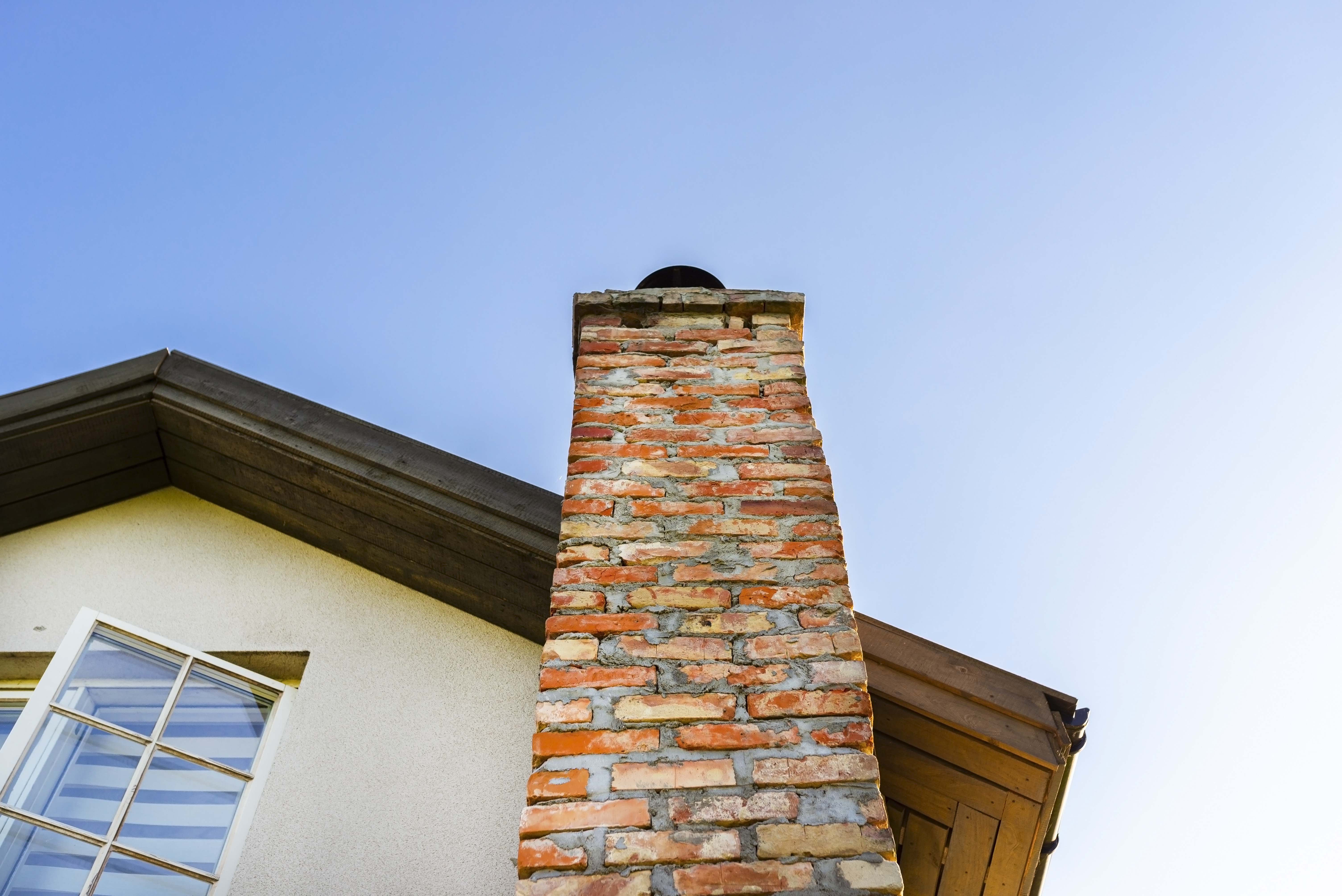
"We couldnâ t find anyone local to install a chimney, so went with Shamrock, who had a crew working locally, although they were based 2 hrs away. They came sooner than expected, did the job beautifully, and have been easy to contact with any questions we had. Very pleased with the whole project."
Chimney service
Crown and caps
Chimney Repair
Chimney Repair
Chimney Repair

+33

Response time1 day
Response rate100%
Recommended by85%of homeowners
Next-Gen Concrete & Construction LLC
4.4(
4
)
Concrete Foundation - RepairConcrete Foundation - InstallConcrete Foundation - Raise+1 more

Serving Pittsfield, IL and surrounding areas

Approved

In business since 2025

Free estimates

Credit card accepted

We're a locally owned and operated company that values honesty and integrity and treats your home as if it were our own. Our services are customized to the individual project, paying close attention to the details of each project that we're involved with. We pride ourselves on the quality of our work as well as our commitment to outstanding results. We look forward to building lasting relationships and guaranteeing your satisfaction!

5 neighbors recently requested a quote
...
Showing 1-10 of 53
Masonry FAQs, answered by experts

The cost of masonry work varies widely depending on the type of masonry along with common cost factors like size, complexity, location, and season. Most exterior masonry work done in freezing temperatures tends to cost more because of the preparation and protection involved to keep the masonry from freezing before the mortar cures properly. The average price ranges per project or square foot for different types of masonry include:

  • Brick wall (fence, garden wall, etc.): $10–$45 per square foot

  • Natural stone wall: $40–$110 per square foot

  • Manufactured stone veneer: $20–$40 per square foot

  • Brick home exterior: $10–$30 per square foot

  • Brick siding: $3–$10 per square foot

  • Stone siding: $35–$50 per square foot

  • Brick step replacement: $20–$30 per square foot

  • Brick wall repair: $20–$40 per square foot

  • Chimney repairs: $160–$750 per project

  • Tuckpointing: $5–$25 per square foot

If your old bricks are in decent condition and you have the space to store them where they’ll be protected from the elements, keeping old bricks is often worthwhile. You’d spend anywhere from $70 to a few hundred dollars to have them removed from your property, in which case you won’t be able to use them for future projects. Holding on to old bricks in good condition means you can use them later for other DIY projects, potentially saving yourself some money on disposal and new materials down the road.

Spalling brick is not uncommon, but it does indicate a serious issue. It can be caused by water damage, an intense freeze-thaw cycle, or something else. Painted bricks can be susceptible to spalling, as the paint doesn’t allow the porous material of the brick to breathe, which can trap moisture. Spalling should always be addressed immediately before more serious structural damage occurs.

Drilling into brick or mortar requires the use of a masonry drill bit. Masonry drill bits appear similar to standard drill bits except for the leading tip of the bit. The tip has a bulky carbide arrow-shaped end slightly larger than the rest of the bit shaft. Standard or high-speed drill bits designed for making holes in wood or metal don’t have the ruggedness or design shape you need to drill into brick. They may not go through the brick at all, and if they do, they’re more likely to overheat, crack, or dull before you finish drilling.

Yes, depending on the type of pavers you have, you may need a specific type of sealant. For example, concrete pavers will bond differently than clay pavers or faux stone pavers and will demand a different type of sealer. If you’re unsure of the material and what type of sealant you need, you can contact the company that laid your pavers down for you.

The Pittsfield, IL homeowners’ guide to masonry services

From average costs to expert advice, get all the answers you need to get your job done.