






Top-rated bird control service pros.

Get matched with top bird control service pros in Orangeville, IL

Enter your zip and get matched with up to 5 pros

Need a pro for your bird control service project in Orangeville, IL?

Select your specific project to find the pro for you.

Find Bird control service pros in Orangeville

Bird Control questions, answered by experts

Studies indicate that owls don't possess a conventional sense of fear. However, they find intense, sudden human noise unsettling, like clapping or shouting. Additionally, owls are likely spooked by sudden bursts of bright light. While they may not experience fear as humans do, these disturbances can disrupt their natural behaviors, making it essential to minimize such disruptions when sharing spaces with these remarkable creatures.

Using audio and visual methods to discourage birds might work initially, but birds tend to acclimate to them over time. While chemical deterrents can show some effectiveness, their results can be inconsistent. Some may dissipate too quickly, and there's a risk they might cause unintended damage to your surroundings. Additionally, birds might become immune or resistant to the impact of such treatments.

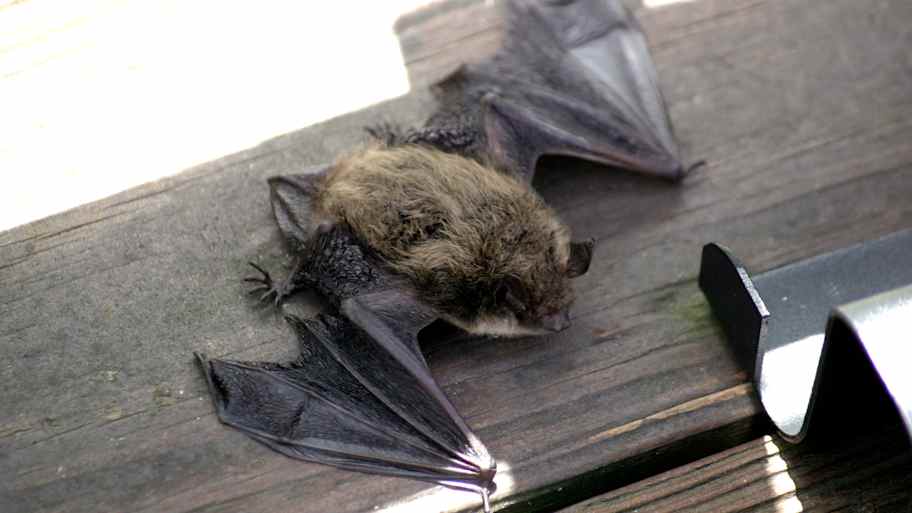
Trees that provide a habitat to bats and an abundance of bugs—their main food source—will attract bats to your yard. Because the North American landscape has changed so much in recent years, bats have a harder time finding trees with cavities to shelter in. If your yard has a dead or dying tree with a lot of sun exposure, bats will likely be drawn to it because trees with those features are less common.

Fake owls are a common goose deterrent decoy and one of the most humane ways to scare away geese. Unfortunately, some geese are wise to fake predators. Decoys can be more effective if you move them around frequently or purchase ones with motion features. Decoys that move in the wind are also more effective than stationary decoys.

Numerous predators kill hornets, including frogs, birds, lizards, bats, spiders, and hedgehogs. Some larger predators, including rats, skunks, and racoons, will occasionally attack a hornet nest in order to eat the larvae inside. These natural predators typically don’t eat enough hornets to make them an effective form of hornet control. 

The Orangeville, IL homeowners’ guide to bird control services

From average costs to expert advice, get all the answers you need to get your job done.