




Top-rated bird control service pros.

Get matched with top bird control service pros in Darlington, WI

Enter your zip and get matched with up to 5 pros

Need a pro for your bird control service project in Darlington, WI?

Select your specific project to find the pro for you.

Find Bird control service pros in Darlington

Avatar for Terminix® Pest Control
Terminix® Pest Control
4.1(
8
)
Pest Control - Birds and Bats - For Business

Serving Darlington, WI and surrounding areas

Approved

In business since 1927

Free estimates

Warranties offered

"Very knowledgeable guy who seem to know what he’s doing. Don’t know results of spraying. Have had much rain since. Will have to see if it worked. Terminex will spray again the beginning of next month."
My jobs
My jobs
My jobs
My jobs
My jobs

+2

75 neighbors recently requested a quote

Bird Control questions, answered by experts

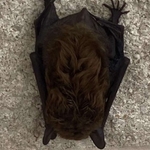
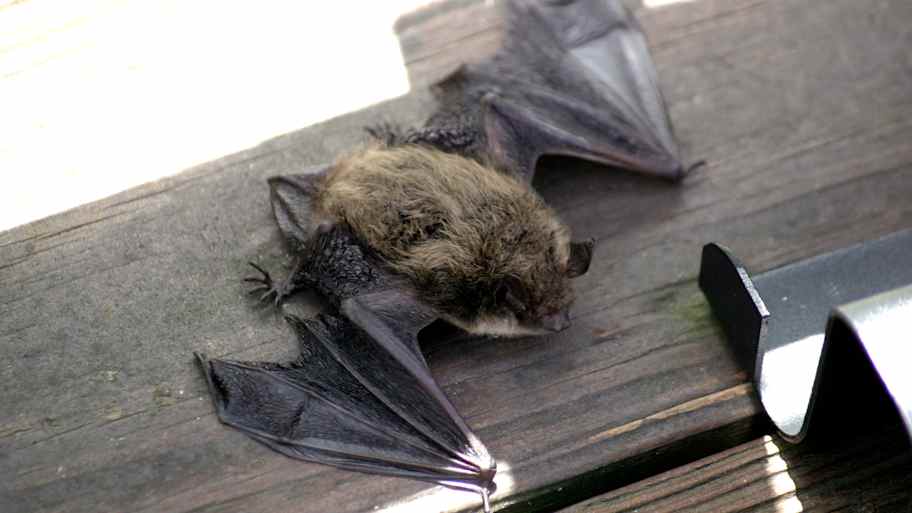
Finding a dead bat in your home can be frightening, even during spooky season. The United States Department of Interior states that if you find a dead bat, take these steps:

  • Contact your state wildlife agency to report the finding

  • Photograph the bat safely to help the wildlife agency determine the species

  • Use disposable gloves to place the bat into a plastic bag, making sure to spray with disinfectant and close the bag securely 

  • Thoroughly clean your hands and any clothing that came into contact with the bat

If you see one dead bat, you might have a large bat infestation that needs to be treated immediately. Call a local pest control company to properly inspect your home for other bats.

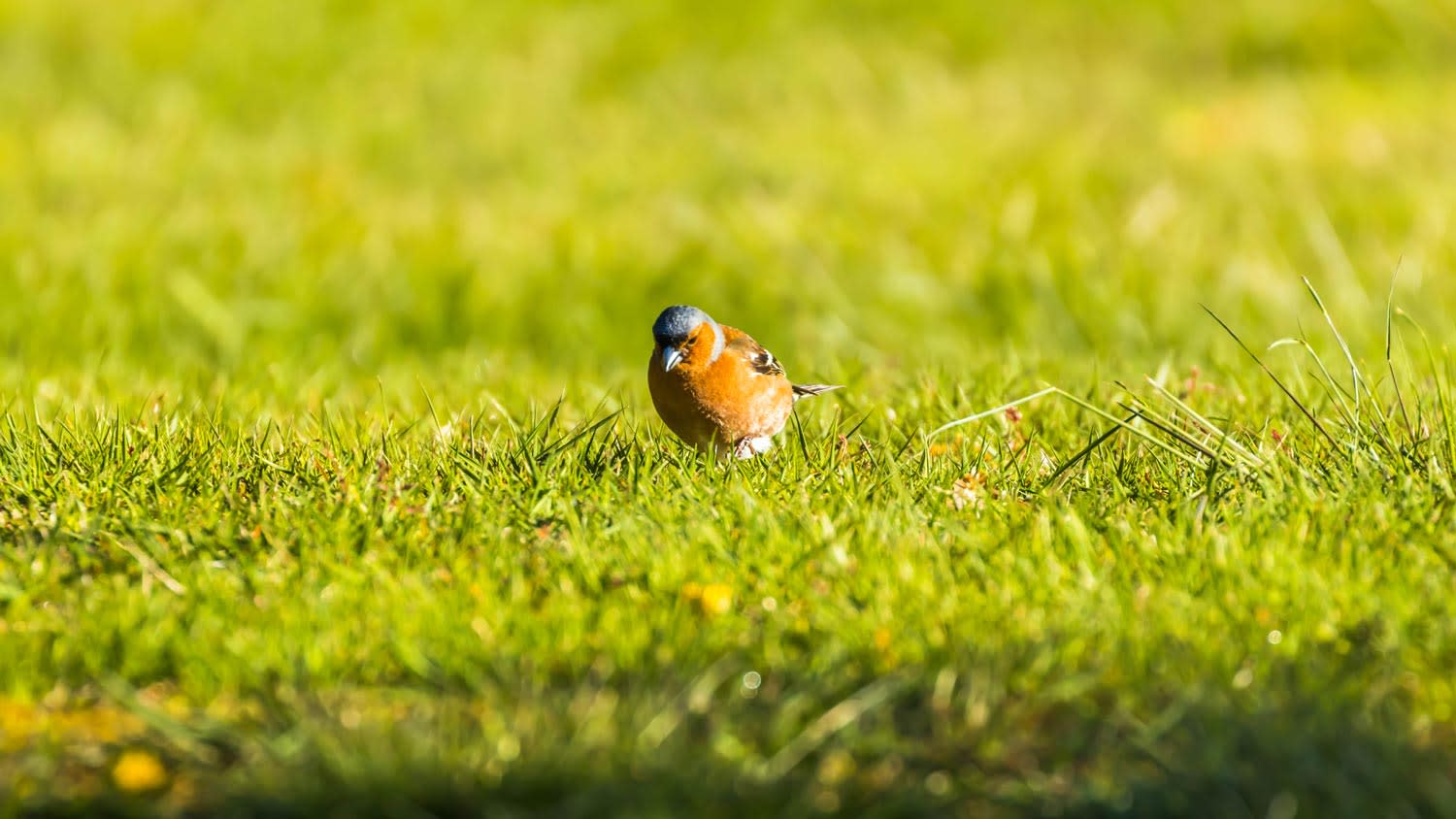
Birds eat grass seed for one simple reason—it’s delicious! The seeds are rich in nutrients such as carbohydrates, proteins, and fats. Seeds are also high in energy, so humans eat trail mix loaded with seeds and nuts for long-distance activities. Grass seed, when unprotected, is also exceptionally easy to access.

When woodpeckers start banging on your walls or roof, they are probably looking for insects to eat, storing nuts for winter, drilling a hole to make a nest, or communicating with other birds to establish territory or find a mate.

The size of the hole can help determine the reason for the pecking. Small irregular holes are a result of insect hunts. Acorn holes are more consistently sized and often fitted with a nut in the middle. Nest holes are large and have rounded edges. If the bird is pecking to mark its territory or attract a mate, it may leave dents rather than holes, and the noise will stop when the mating season starts in spring.

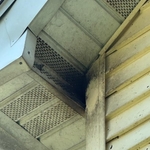
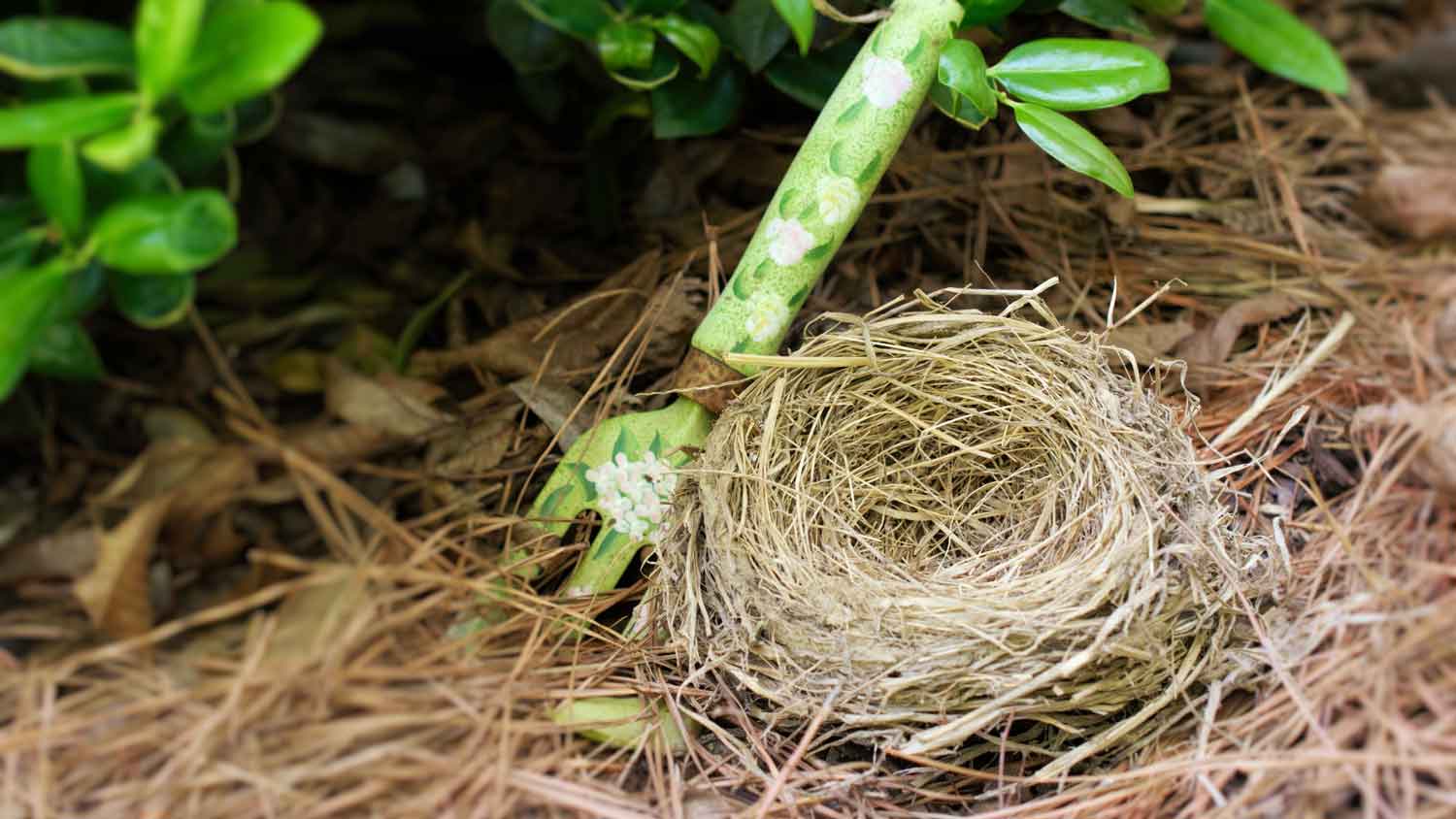
Popular nesting areas outside of a home include eaves, porches, gutters, and chimneys. However, some birds can make their way into your attic or ventilation systems. A reputable removal service will inspect your home's interior and exterior for any evidence of roosting and nesting birds while they prepare to remove them.

Both spikes and loose nets can be installed over nest sites to prevent the bird from returning, but nets are not a humane option since birds and other wildlife can get tangled in them. 

Spikes are a humane alternative that deter nesting without harming the birds. In small areas, like vents, a very fine mesh net can be installed to prevent the bird from returning. These nets don't generally pose a risk to the birds.

The Darlington, WI homeowners’ guide to bird control services

From average costs to expert advice, get all the answers you need to get your job done.