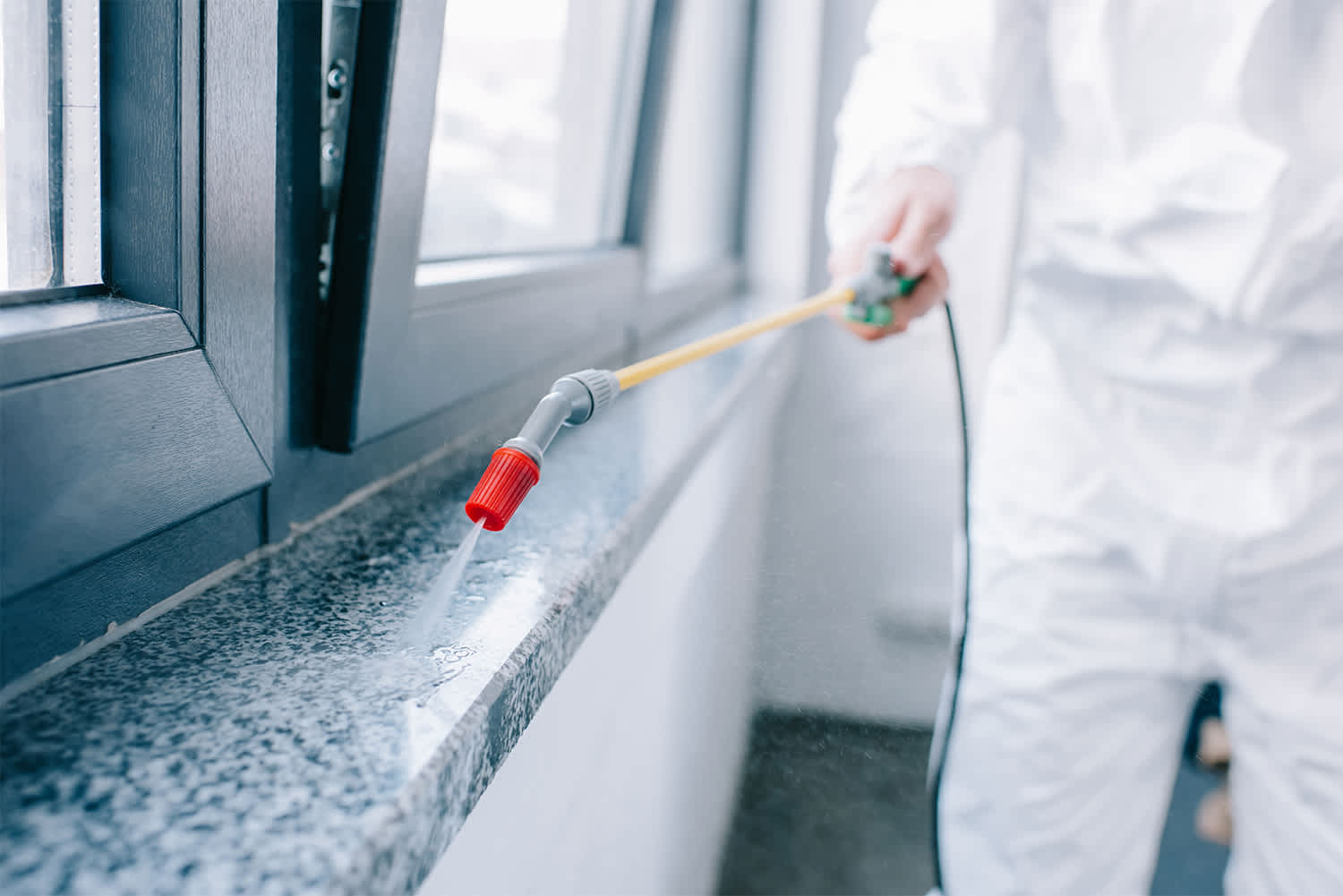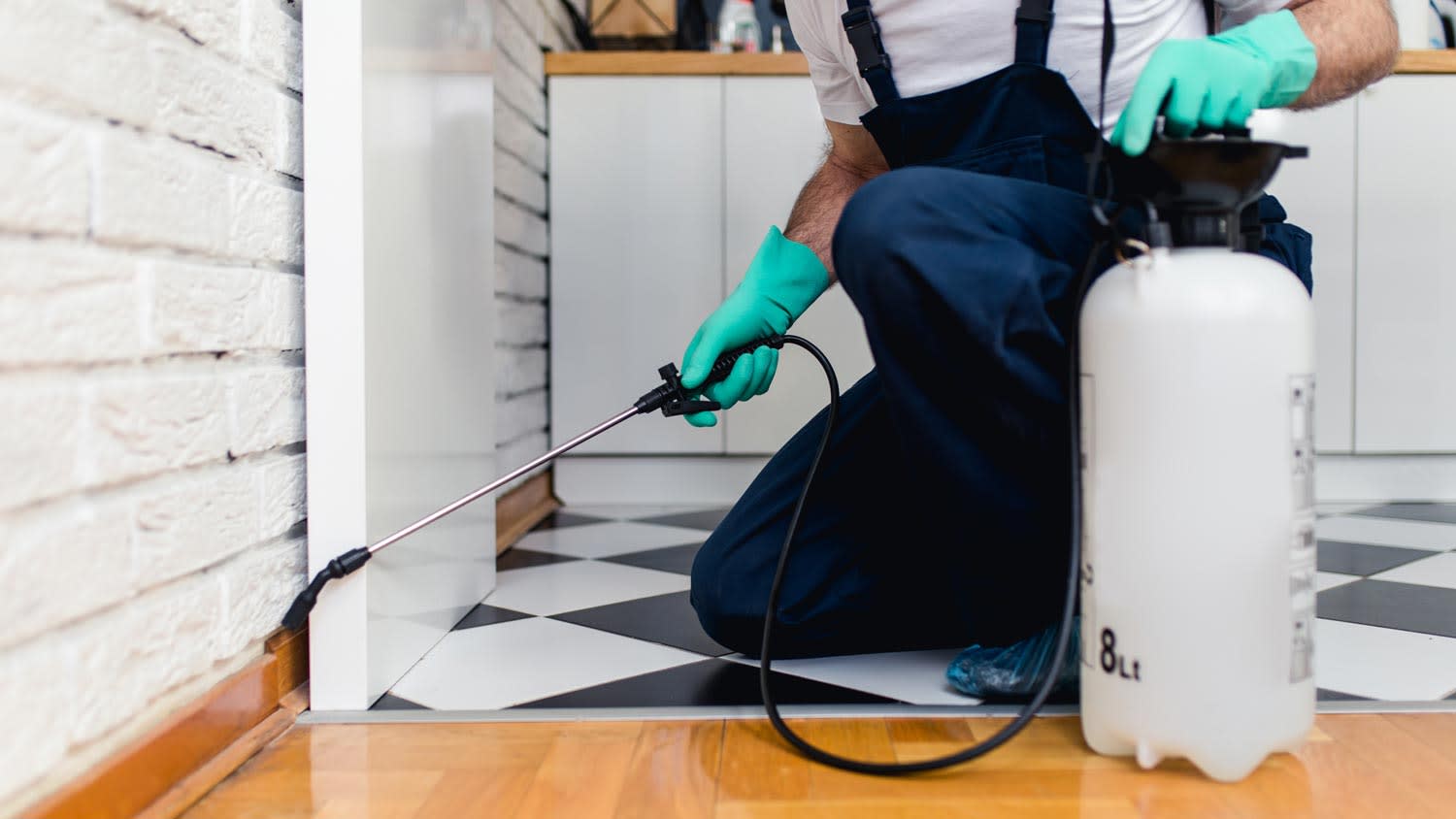





"Very knowledgeable guy who seem to know what he’s doing. Don’t know results of spraying. Have had much rain since. Will have to see if it worked. Terminex will spray again the beginning of next month."

"Communicated with us clearly and timely. Professional, experienced. Bought a package to help control any pests year round. Great pricing, offered to come back soon if any problems exsisted. I like that! Dan was a great person to deal with."
"United Air Temp was able to procure a replacement furnace controller board in a couple of days and Zachary was out within 4 days of the initial visit. The furnace now works very well."
Male carpenter bees actually don't have a stinger, but they will hover around areas as a defense mechanism to deter intruders. However, females can sting but are not typically aggressive and tend to only sting when threatened or provoked. They are less active at night, so you are less likely to encounter them because they tend to rest at night.
Yes, in some cases, but only if you’re dealing with subterranean termites. These colonies live in the soil and can often be treated using liquid barriers or bait systems. Drywood termites are much more destructive and often require whole-structure fumigation to fully eradicate them. If you’re wondering how to get rid of termites without tenting, it’s best to consult a pest control professional to assess the type and severity of your infestation.
You can make a DIY frog repellent with salt, citric acid, or vinegar. Spray the repellent around your pool to deter frogs from jumping in.
Gel bait and gel bait traps use poison to kill cockroaches, and aren’t safe to use around pets. Many gel bait traps are called “child-resistant,” but this only means that the traps are hard to rip open for children. Large pets and children are still able to swallow them. If you use gel bait, use it in areas where pets and children can’t access them, such as under a washing machine. Another option is to use glue traps, which don’t contain pesticides and are safe to use around pets.
There is no exact science here, due to the nature of nests and how mice raise their young, but a good place to start is to inspect the droppings. A single mouse poops a lot, leaving around 50 droppings in a single day, likely near a primary food source. If you find only sporadic droppings, you likely have a small infestation. If you spot large mounds of droppings, you are dealing with a big problem.
The Newton, IL homeowners’ guide to pest control services
From average costs to expert advice, get all the answers you need to get your job done.