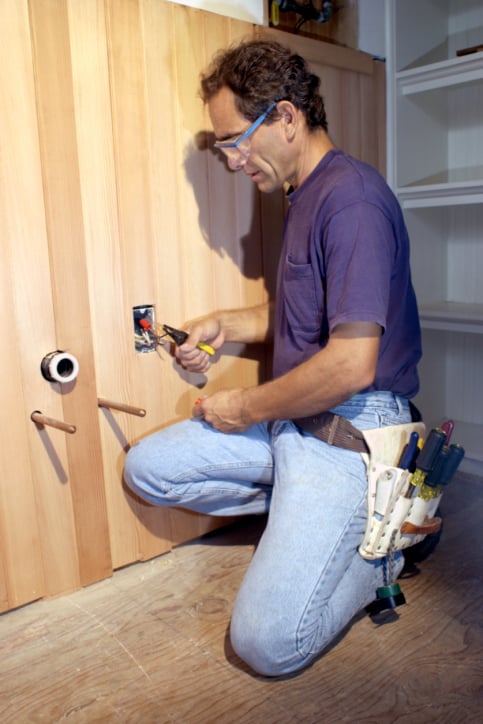




Tiger Plumbing, Heating, Air Conditioning, & Electrical Services
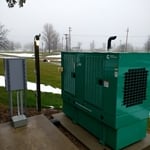
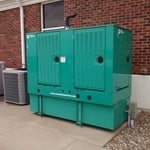
Fixed Generator - InstallFixed Generator - Repair
Serving New Berlin, IL and surrounding areas
Approved (Corporate)
In business since 1993
Free estimates
Emergency services offered
"By February 2012, less than a year after installation, I begin to have problems. So I called Mt Everest, and they come and fix things here and there, and I don't think much of it because other than the inconvenience of occasionally being too hot, it's not costing me too much money. =) Here are some of the receipts I could find... Mt. Everest - 2/16/12 - $194.12 Mt. Everest - 2/17/12 - $0.00 Mt. Everest - 2/18/12 - $0.00 --new company name-- Tiger - 1/22/13 - $210.00 (Became Club Member) Tiger - 8/16/13 - $0.00 Tiger - 5/16/14 - $0.00 (Waived/Warranty) Fast forward to October 2015, a little over four years after installation, I have a coolant leak somewhere that can't seem to get fixed, and Tiger has to keep recharging my "closed" system... the only difference is now I have to start paying for this service. (I guess Freon is expensive.) I start to panic because my family is undergoing financial hardships, and whatever money I once had went toward the air conditioner I purchased four years earlier. Thankfully, Tiger works with me on this, and I am grateful. However, they warn me that I will need to have the evaporator coils (???) changed out. EEEK! At this point, I am already $10,000 (plus) into this system, it is only four years old, and it is having major problems. Again, I have no money left, so I'm talking to lawyers, because from what I can understand from Tiger, it's a manufacturing defect, and now I have to pay Tiger tons of money (that I don't have) to fix something that shouldn't even be broken yet. (Warrenty still covered parts, but not labor.) Thankfully, Tiger comes through for me and I refrain from possibly taking legal action against manufacturers. On October 23rd, 2015, the coil gets swapped out. The technician thinks there might still be a leak somewhere, but nothing really comes of it. The parts are covered under warranty, Tiger is kind enough to waive the fee for labor. * * * * * The above gives Tiger five stars. I seriously had no money to pay them. I would have had to get a loan from somewhere. ...but... It is now July 18th, 2016, not even a year has passed since the installation of a new coil, and it is 74* in my house... I have the thermostat set at 70*. The temp coming out of the vents is around 68* - according to my meat thermostat. I have called Tiger, and we have an appointment for tomorrow. I fear that Tiger is going to tell me that I will need a recharged -- or new coils -- and I will have to pay them for service with money I still don't have. I'm praying everything still falls under a warranty. Pray for me, you all. I'll come update after my appointment and let you all know how it went. <3"


+5
314 neighbors recently requested a quote
Recommended by73%of homeowners