Top-rated drywall pros.

Best drywall pros near Mount Zion, IL

Enter your zip and get matched with up to 5 pros

Need a pro for your drywall service project in Mount Zion, IL?

Select your specific project to find the pro for you.

TRUSTED BY MOUNT ZION, IL HOMEOWNERS

  • Average homeowner rating star icon4.1
    Average homeowner rating
  • Verified reviews icon26
    Verified drywall services reviews

Top-Rated Drywall pros in Mount Zion - Updated Nov 2026

Guerrero's Drywall Finish and Repair
5.0(
4
)
Drywall - Repair

Serving Mount Zion, IL and surrounding areas

Approved

In business since 2016

Free estimates

Customers say: Quick response

"We needed a ceiling plaster repair done quickly so that we could list our house for sale. All the other companies we called were at least a month out from even giving us an estimate. Mr. Guerrero came the day after we called, gave us an estimate and fixed our plaster within five days, even returning several days later to ensure that everything still looked good. Could not be more pleased with his service!"
Response time10 mins
Recommended by50%of homeowners
Green Drywall
New to Angi
Drywall - InstallDrywall - Repair

Serving Mount Zion, IL and surrounding areas

Approved

In business since 1980

Free estimates

Credit card accepted

We're a locally owned and operated company with over 35 years of industry experience. We value honesty and integrity in all aspects of our business. We offer a variety of Home Improvement services that are customizable to each individual project. We specialize in plaster and drywall work and a variety of related service and repair projects. We pride ourselves on the quality of our work as well as our commitment to outstanding results. We look forward to building lasting relationships with our clients and guarantee your satisfaction!

Response time2 days
Avatar for AOM Remodeling and Restoration
AOM Remodeling and Restoration
4.6(
52
)
Drywall - InstallDrywall - Install - For BusinessDrywall - Repair+1 more

Serving Mount Zion, IL and surrounding areas

In business since 2012

Free estimates

Emergency services offered

"After a "simple" bathroom repainting turned into a nightmare of peeling paint from permanent wallpaper, with damaged drywall as a result, David provided me with options for repairing the walls with a new, cost-conscious finish and then painted the room for me as well. He was extremely punctual and responsive, professional and anxious to provide excellent customer service. He was accurate in how much time the job would take, and his price guarantee made sure that no hidden costs popped up at the last minute. He did a great job, and saved us A LOT of frustration and stress."
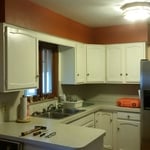
Kitchen accent
picture 1
picture 2
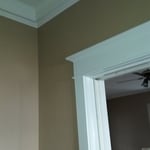
tan and white trim room
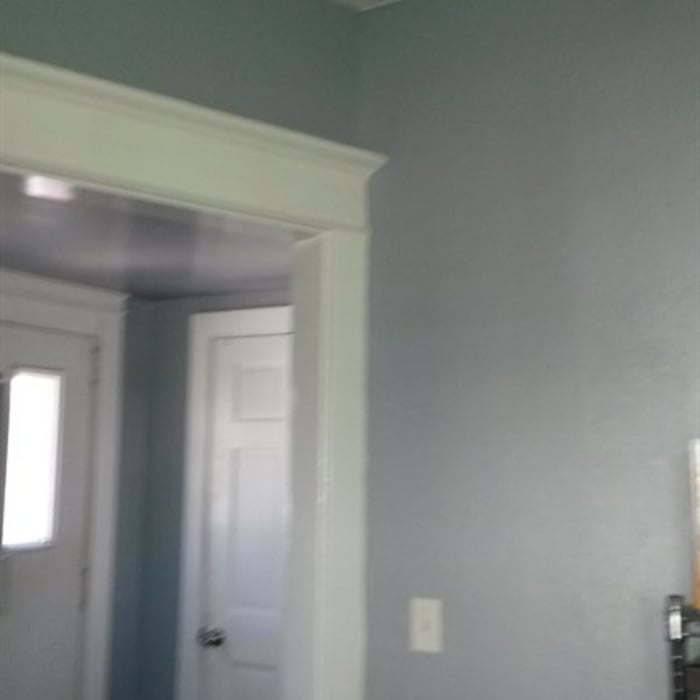
blue and white trim room

+5

Recommended by90%of homeowners
...
Showing 1-10 of 75
Drywall FAQs, answered by experts

Plastering and skimming are two different techniques for finishing walls. Plastering involves applying a thick layer of a plaster mixture—typically containing gypsum, lime, cement, sand, and water—to create a new surface. This process often requires multiple coats and is used for repairing significant damage or creating decorative textures. Skimming, on the other hand, is a technique that involves applying a thin layer of drywall compound or joint compound over an existing surface to smooth it out, covering minor imperfections, small cracks, or uneven textures for a polished look. Plastering is generally more costly and labor-intensive than skimming. Although some people use the terms interchangeably, they refer to different processes and materials.

A jigsaw is commonly used to cut holes in drywall. It offers versatility and precision, making it suitable for creating circular or irregular openings. When equipped with the right blade, a jigsaw can swiftly and cleanly cut through drywall, making it a good choice for DIY projects.

Although they have similar applications, spackle and joint compound are not the same. Their primary differences lie in their composition, consistency, and ideal use cases.

Spackle is composed of gypsum and binding agents, making it thicker than joint compound. It dries quickly and is easy to sand, which makes it ideal for small wall repair projects like filling nail holes or patching minor damage.

Joint compound, also known as drywall mud, consists of limestone and gypsum. It is primarily used for large-scale projects, such as taping and finishing the seams on newly installed drywall. It tends to shrink more than spackle and can be more difficult to spread.

While both products can be used to fill small depressions and cracks, spackle cannot replace joint compound for taping and mudding new drywall. Conversely, you can often use joint compound for small patching jobs typically done with spackle.

When you are learning how to tape and mud drywall, waiting for things to dry requires a lot of patience. So how long does drywall mud take to dry? On average, it takes about 24 hours. However, it depends on things like the thickness of the mud, as well as the room’s temperature, humidity, and ventilation. Using thin layers of mud in a warm, low-humidity room with good airflow reduces average drying time. You also could speed up drying time by making use of hot drywall mud, which consists of a powder that you mix with water, instead of using pre-mixed mud. 

When doing a DIY paint job, it can be tricky to achieve the perfect, straight line between your wall and ceiling. There are several methods, including lining it with painter’s tape and using the “cut in” brush tactic. Some homeowners choose to apply a thin line of caulk to the wall-ceiling seam to create the appearance of a perfect line.

The Mount Zion, IL homeowners’ guide to drywall services

From average costs to expert advice, get all the answers you need to get your job done.