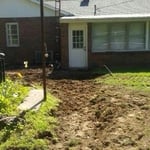
"Brian was very prompt when returning calls and did a very good job. He came out and gave us an estimate right away and then came and completed the sidewalk."
"Honest and hard working crew they are very meticulous and detail orientated. They did an excellent job with awesome customer service at a great price. I highly recommend them!"
"We could not be happier. GGR is a company focused on customer satisfaction. The company’s attention to detail is impeccable and the workmanship is superb. GGR is a first-class company that treats customers better than family; they treat you like friends! I would give them more than 5 stars if I could!"
We are dedicated to providing our clients with the very best in concrete and decorative concrete work. With over 10 years of experience, we take an enormous amount of pride in the attention of detail put into each of the projects we are involved in. We are known for our quality work and the integrity of our business practices. We look forward to building long-term relationships with our clients and guarantee your satisfaction. Call us today for a quote!
No. You cannot use asphalt products on concrete driveways. To seal a concrete driveway, use acrylic, epoxy, polyurethane, silane, siloxane, and silicate sealers or deep penetration sealers made specifically for concrete. Meanwhile, asphalt sealers contain refined coal tar (asphalt emulsion), water, sand, clay, polymers, and additives and are incompatible with concrete’s surface texture and higher density.
Driveway installation is challenging. While chip seal might sound easier to apply than asphalt, the process still involves heavy machinery and professional skills. Unless you come from a construction background, we recommend hiring an asphalt company to chip seal your new driveway. If you are paving the driveway entirely with chip seal, expect to pay $5 to $10 per square foot.
The best time to seal your concrete driveway is sometime in the spring and fall when the temperature is above55 degrees Fahrenheit. Keep an eye on the weather, and be sure to pick a day without rain on the forecast for at least 24 hours. Lastly, be sure you can leave the space free of foot and car traffic for the full drying time.
Whether it's better to stain or paint concrete depends on your budget, desired aesthetic, and DIY skill level. Generally, staining is a more durable option because the stain soaks into the concrete's surface and won't wear away like a topical paint coating. Painting concrete can trap moisture underneath the paint layer, which may cause the concrete to deteriorate over time. However, concrete paint offers a wider variety of colors, is typically easier and less expensive to apply, and is effective at covering up existing stains or blemishes on the surface.
Yes, you can seal old or existing concrete, but proper preparation is crucial. The concrete surface must be clean, dry, and free of any incompatible old sealant. To check if an old sealer is present, drip a few drops of water onto the surface; if the water is absorbed in under five minutes, it's ready to be resealed. If you plan to use the same type of sealer that was previously applied, you may not need to remove the old layer. However, if you are using a different type of sealer, the old one must be completely removed. Before applying the new sealer, thoroughly clean the concrete and repair or fill any cracks to ensure a smooth, well-prepared surface.
The Mount Carmel, IL homeowners’ guide to epoxy flooring services
From average costs to expert advice, get all the answers you need to get your job done.
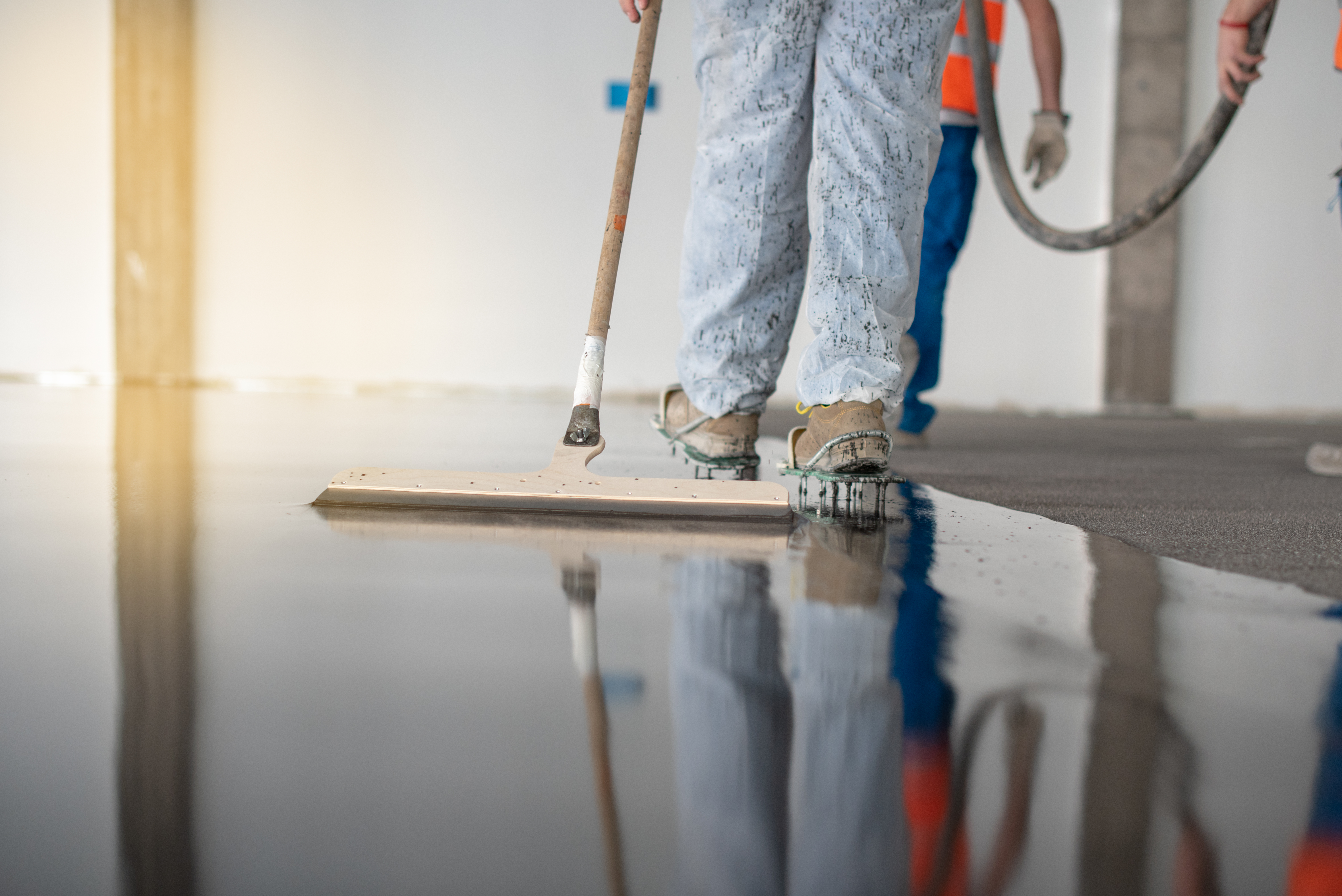
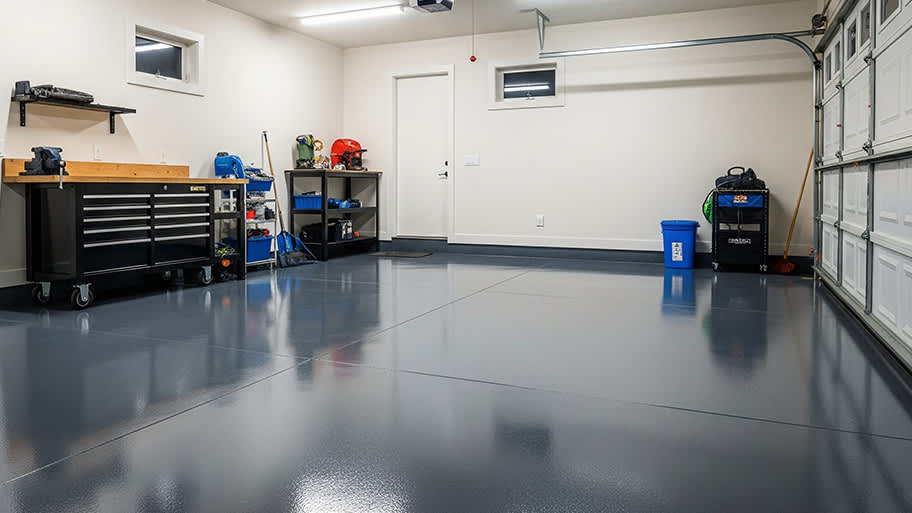
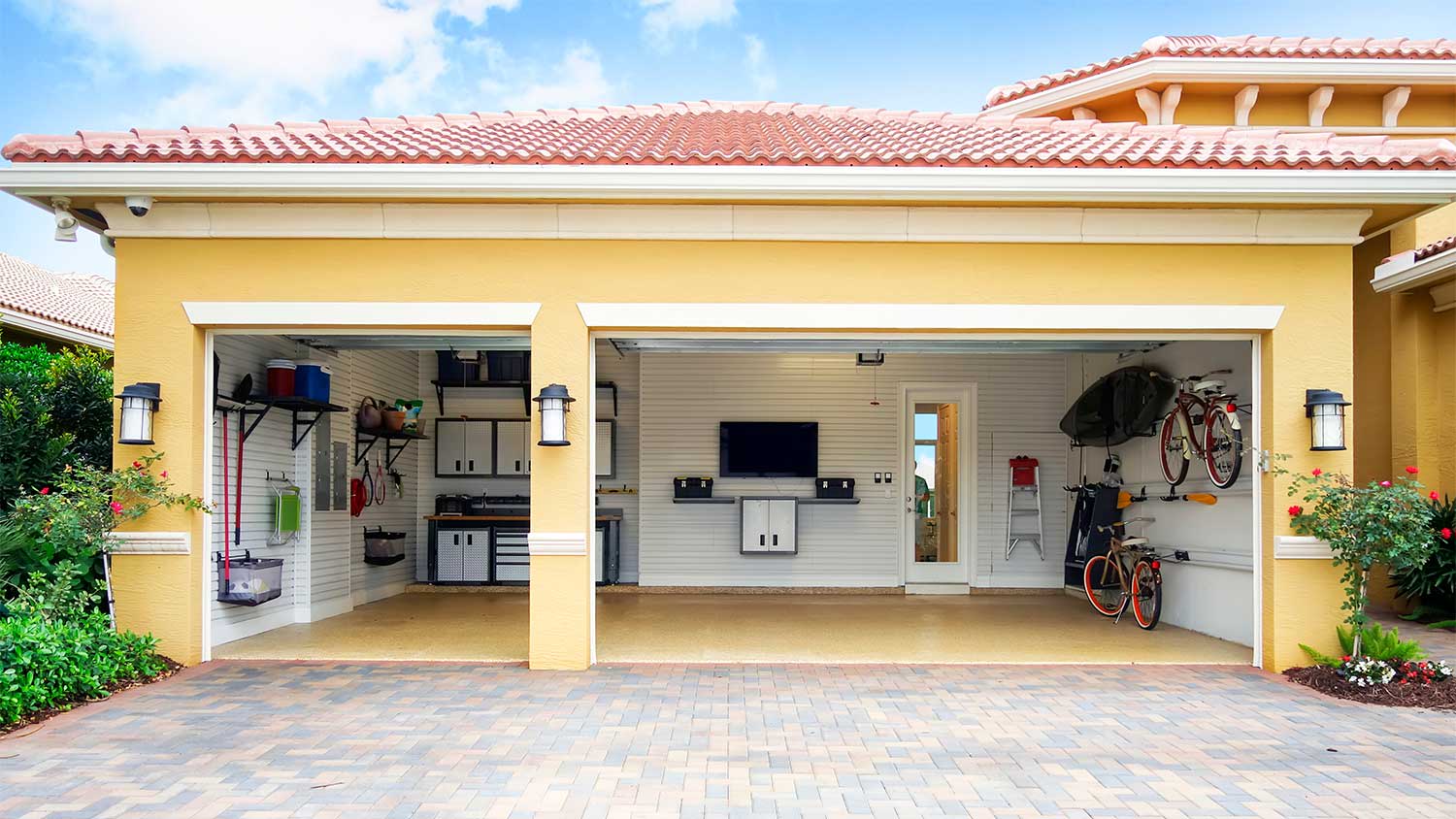
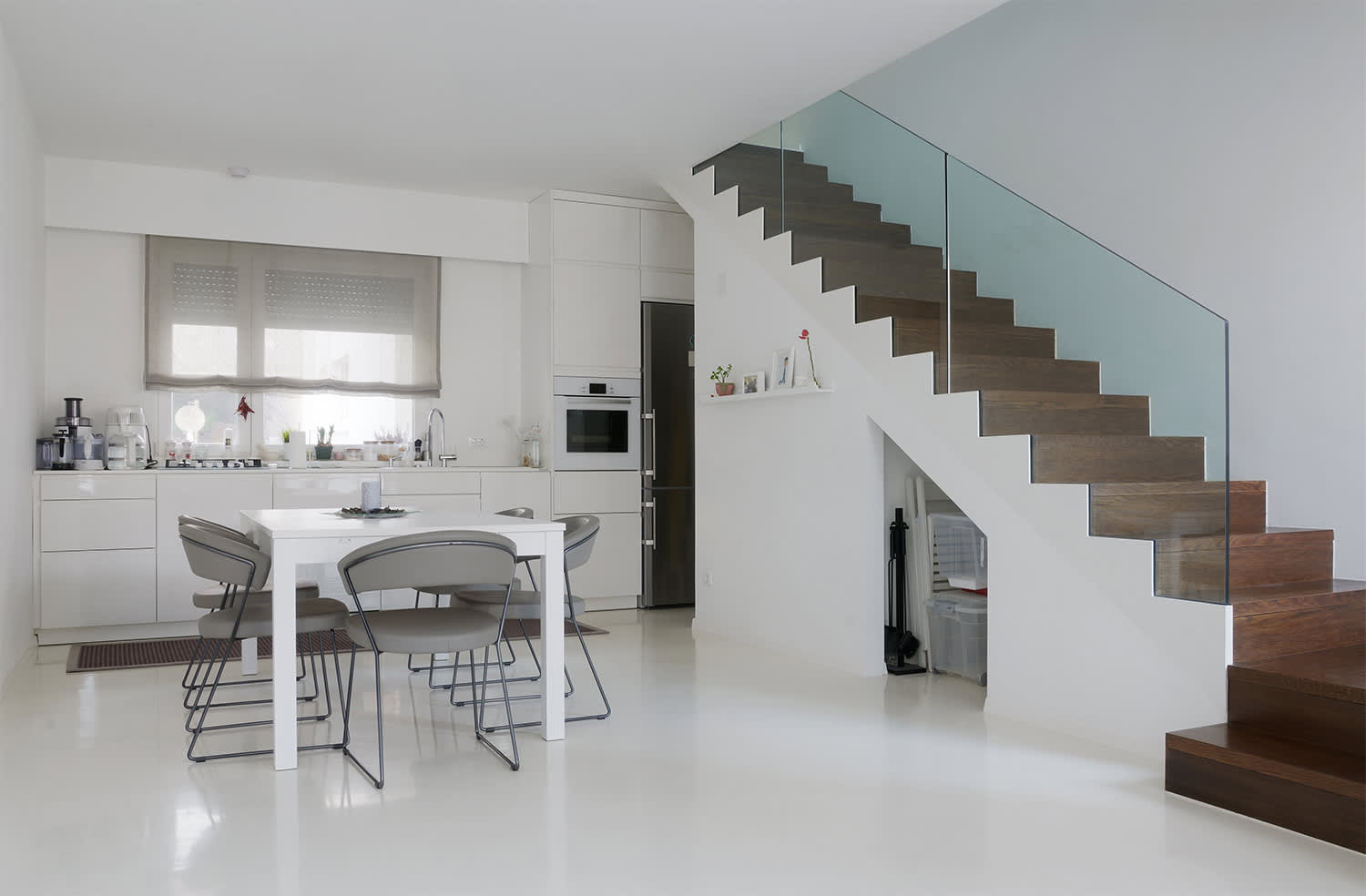
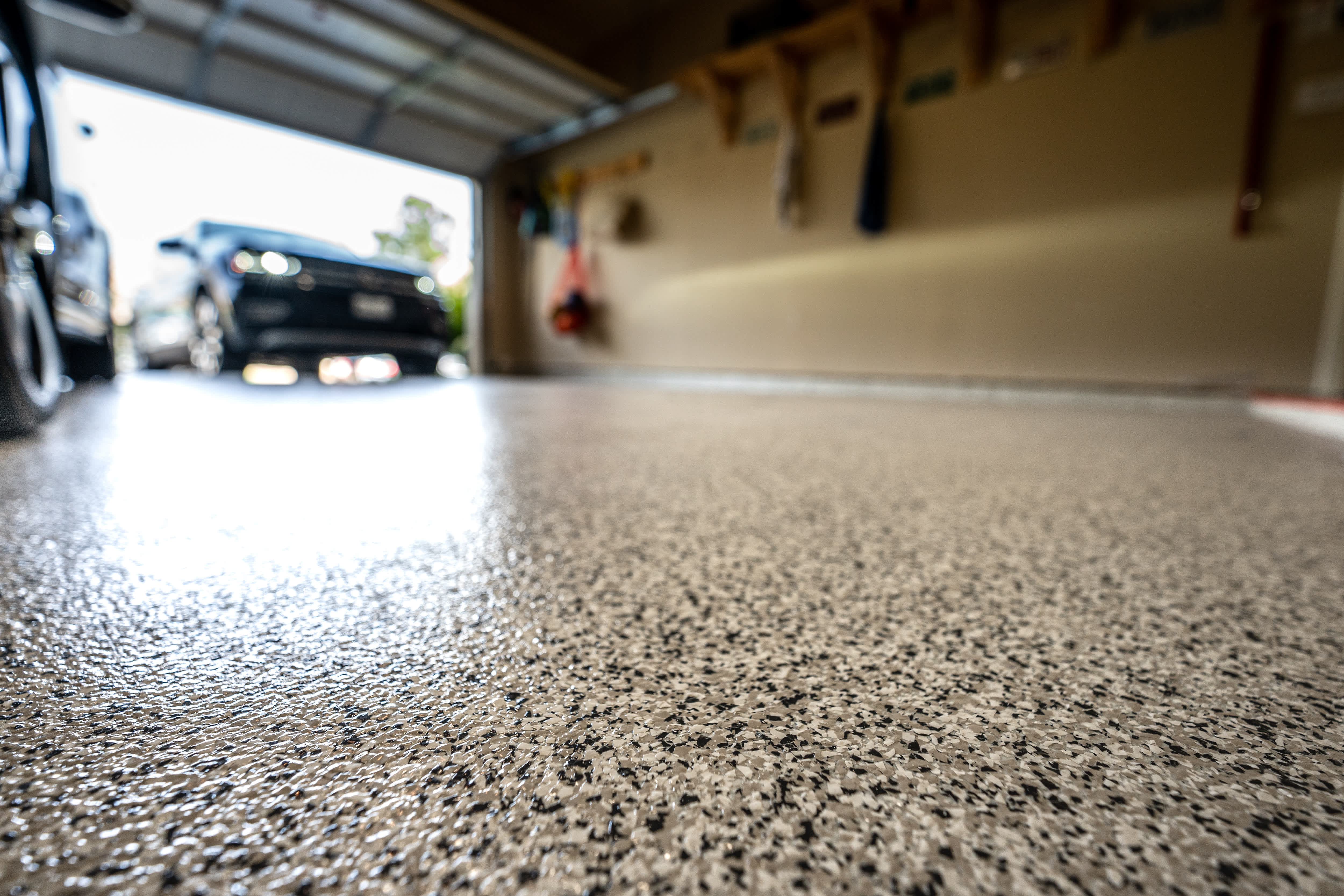
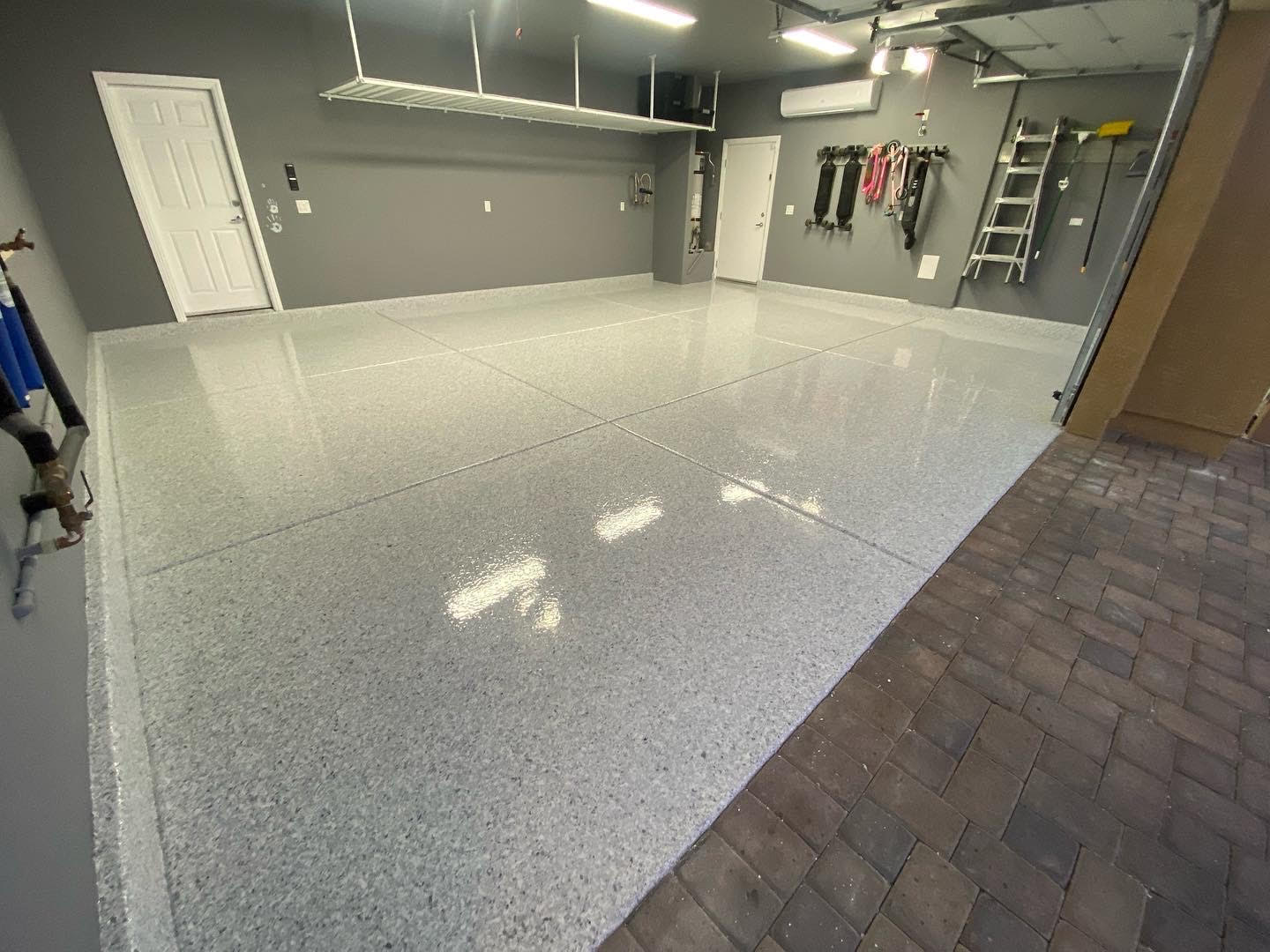
This guide breaks down the cost of installing epoxy flooring in your garage, basement, or other space. Costs depend on resin type, floor size, and more.
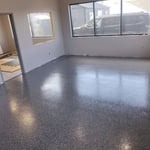
Epoxy flooring adds shine and durability to your basement, studio, or garage floor. Check out these epoxy flooring ideas to create the room of your dreams.