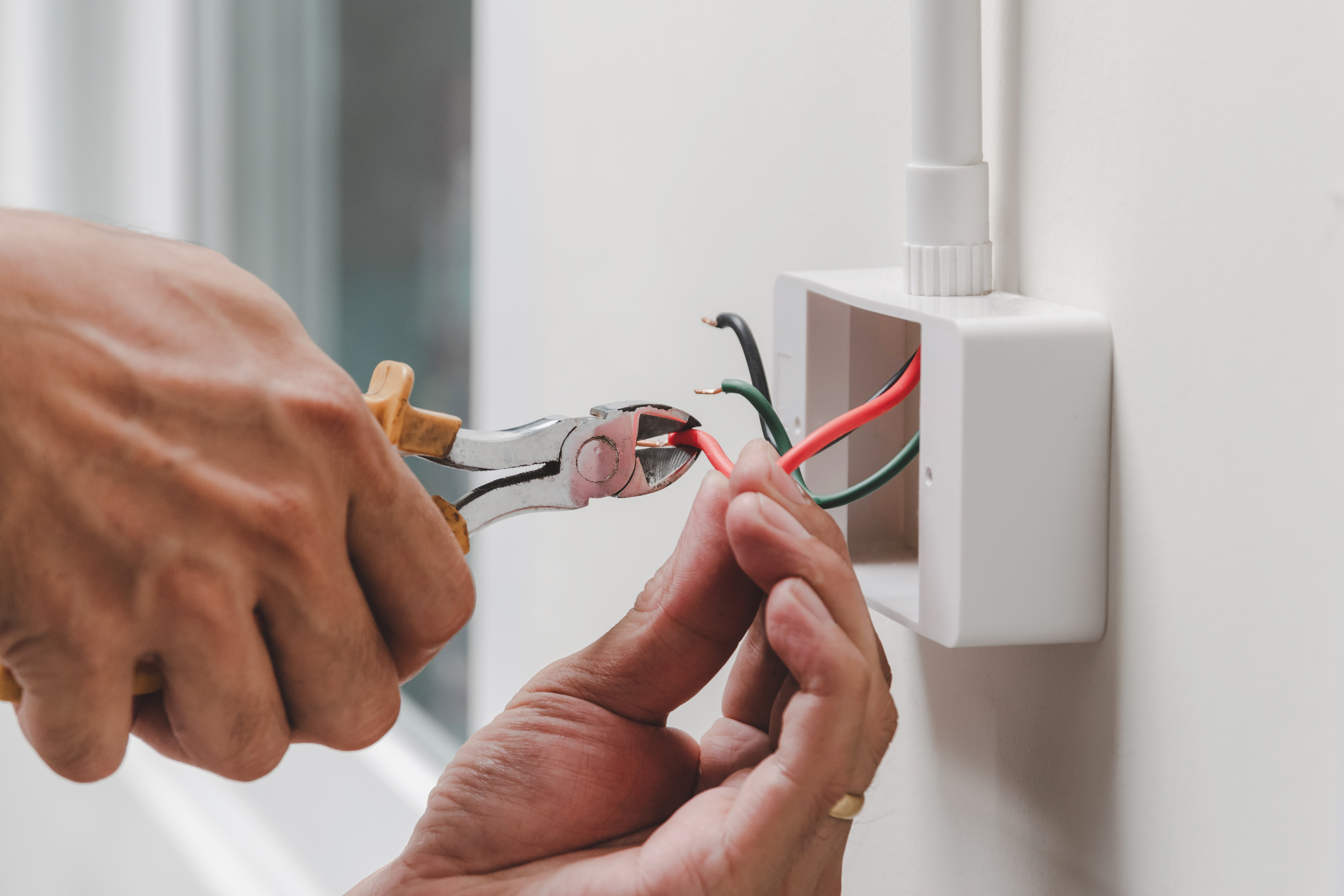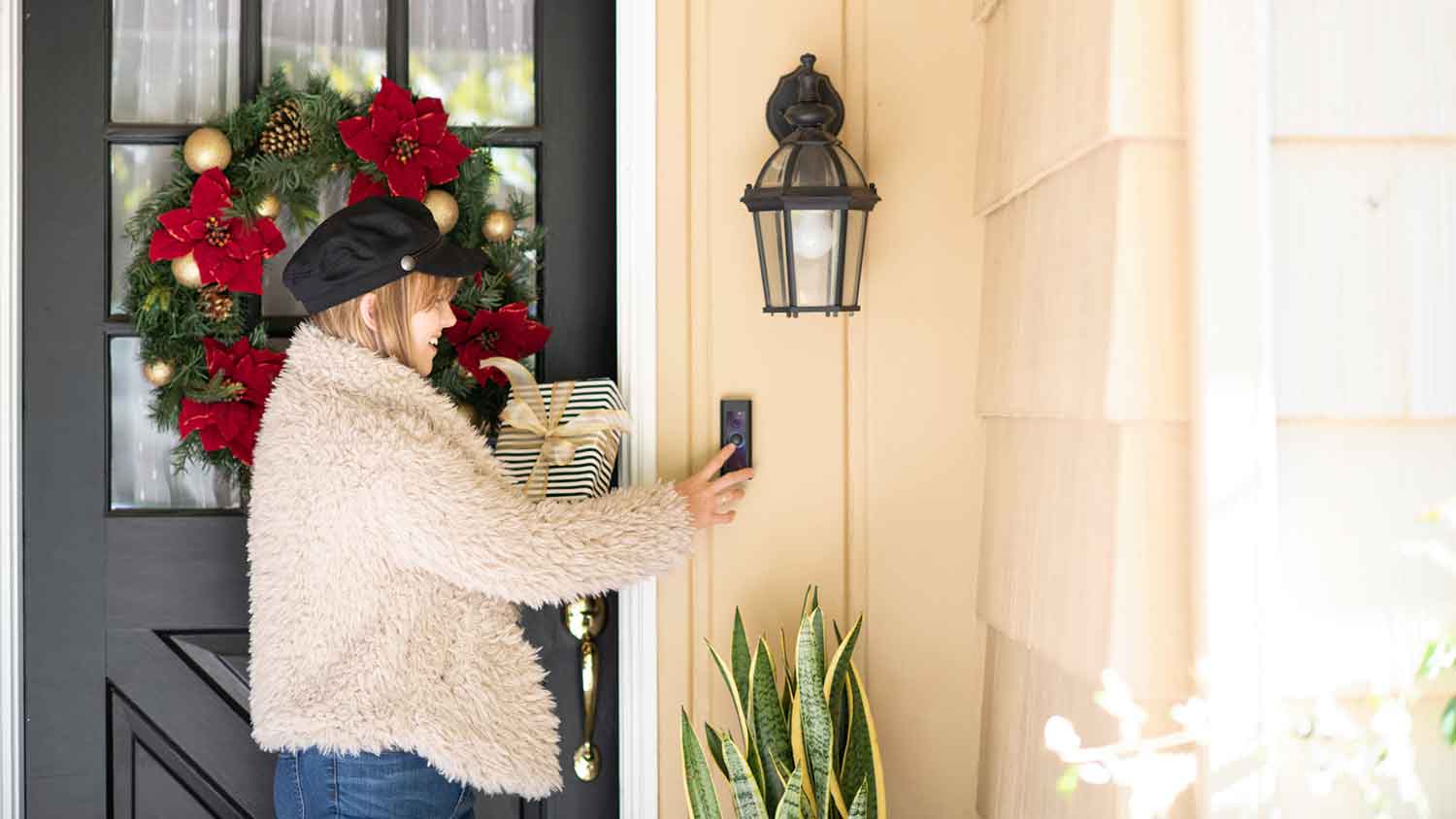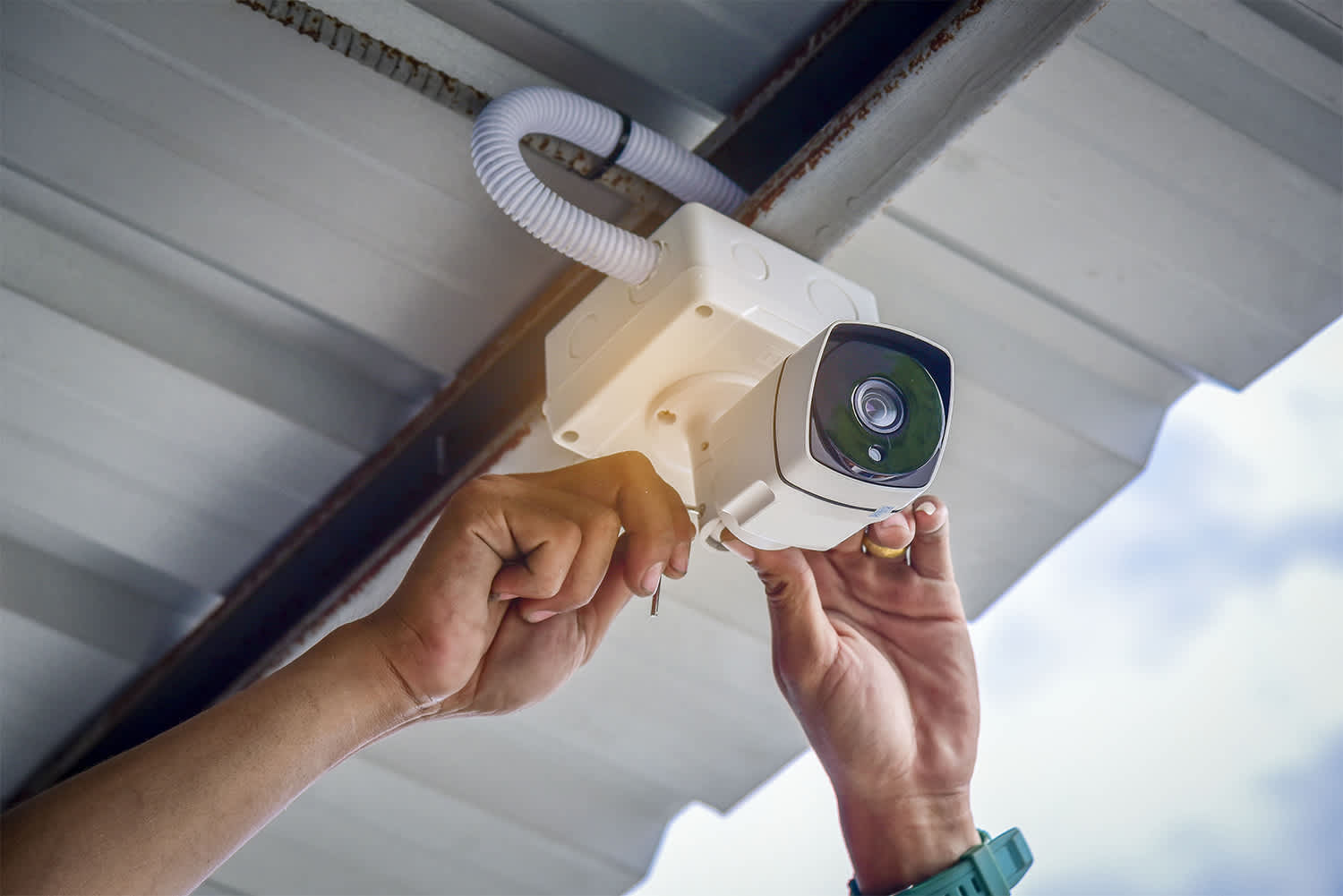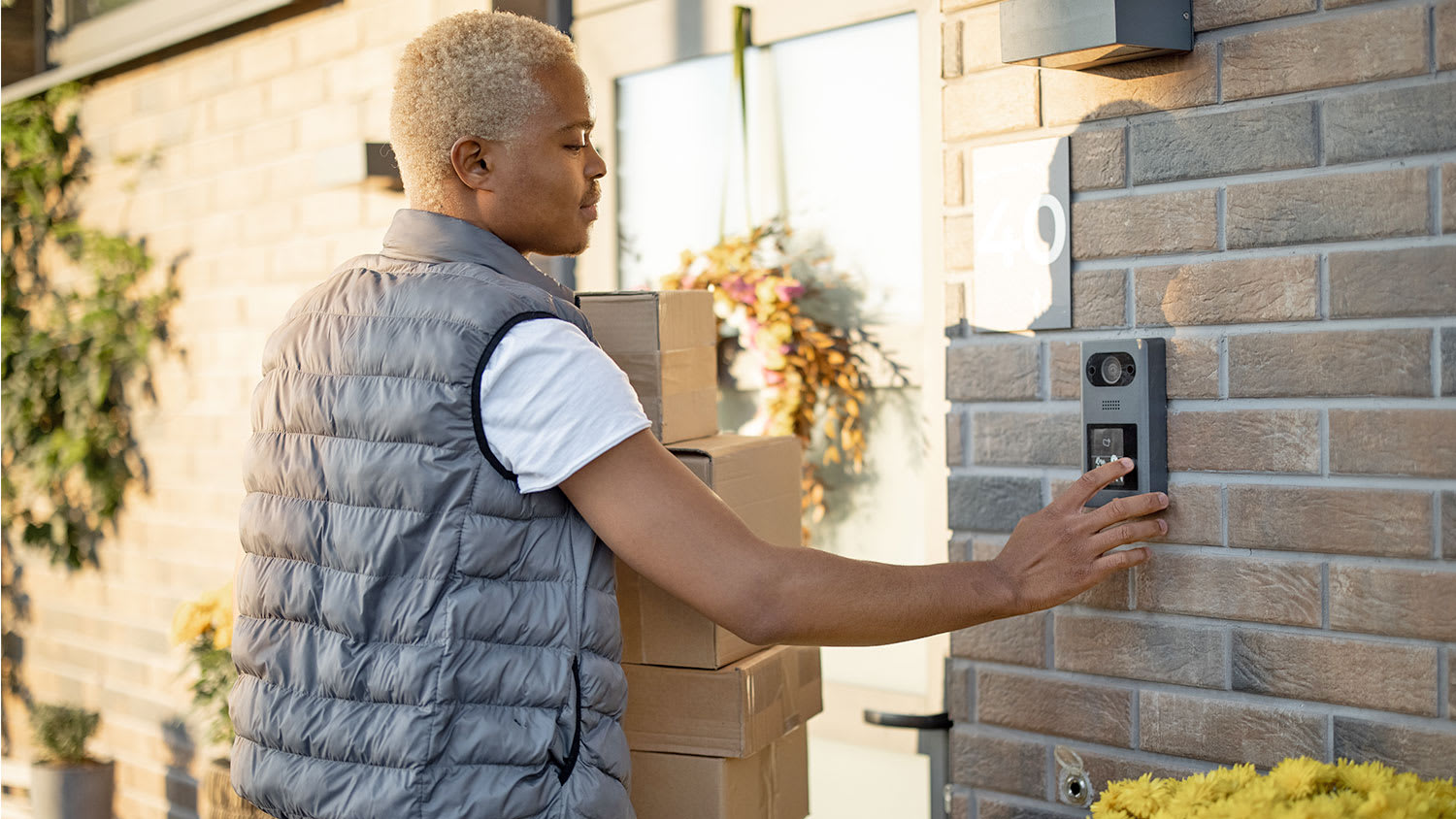




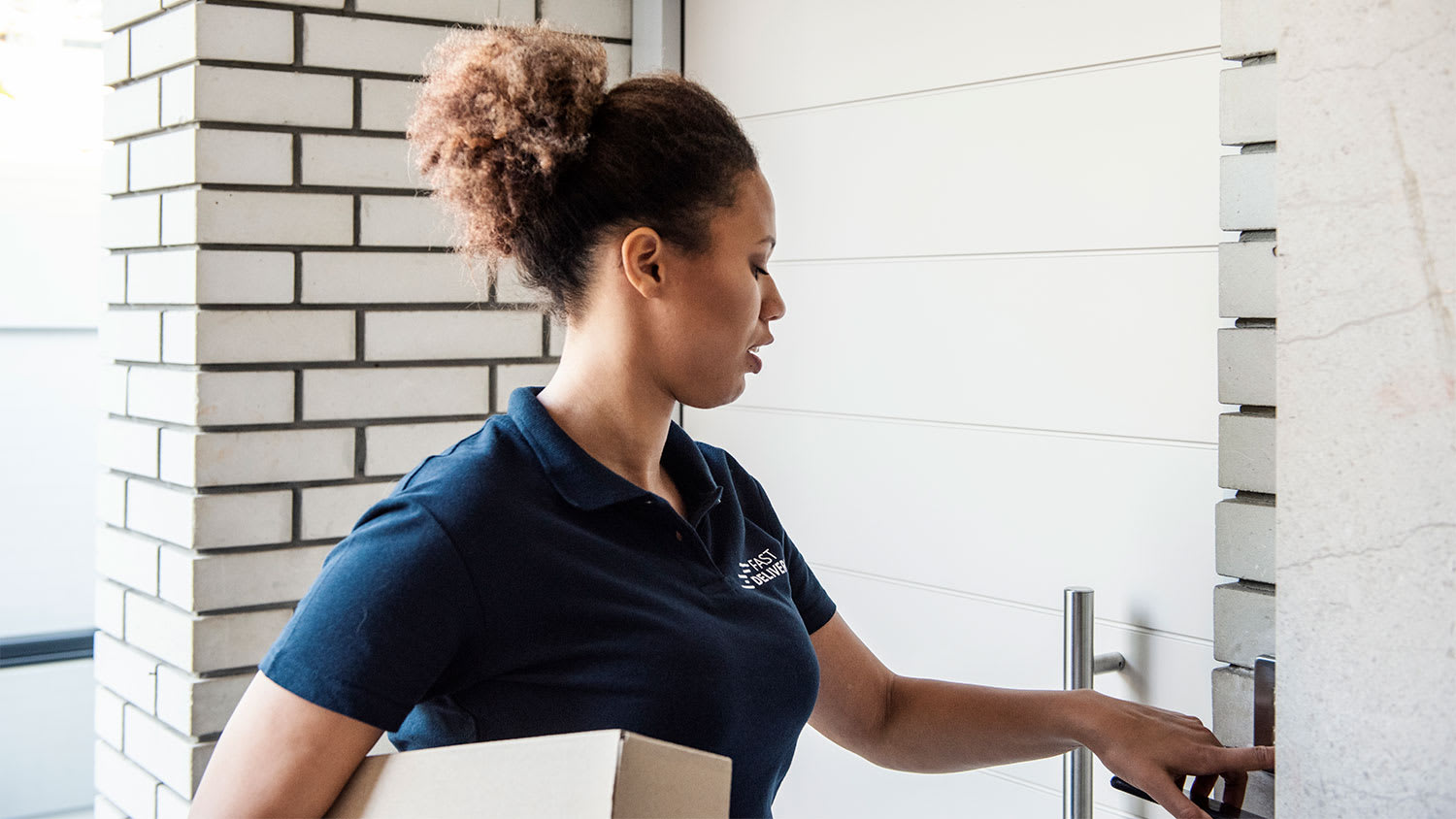
Top-rated doorbell installation pros.

Best doorbell installation pros near Hillcrest, IL

Enter your zip and get matched with up to 5 pros

Need a pro for your doorbell installation project in Hillcrest, IL?

Select your specific project to find the pro for you.

TRUSTED BY HILLCREST, IL HOMEOWNERS

  • Average homeowner rating star icon4.3
    Average homeowner rating
  • Verified reviews icon34
    Verified doorbell installation services reviews

Top-Rated Doorbell installation pros in Hillcrest - Updated Nov 2026

No results for Doorbell installation pro in

Try adjusting your search criteria.
Doorbell Installation FAQs, answered by experts

In some areas, insulation companies require a special license, while some states only require them to hold general contractor licenses. Some municipalities may not mandate any license, although you should always ensure a contractor is fully insured. You can use Angi’s license lookup tool to confirm whether or not an insulation contractor you’re considering holds the necessary license for your area. You can also contact the company for information regarding licenses, certifications, and insurance.

The most insulative type of insulation for behind drywall is spray foam insulation, but this is the most expensive insulation available. The most common insulation—sometimes considered the best for the value you get for the money—is fiberglass roll or fiberglass batt insulation, which is significantly more affordable but also far less insulative. The best kind of insulation for your house will also vary based on the climate in your area, your budget, and more. A professional insulation company can help you decide which type is best for your home.

A plastic vapor barrier should completely cover your basement to prevent water from penetrating through the walls. This typically goes before installing insulation to prevent moisture from building up and becoming trapped on the inside of your insulation, where it can collect and lead to mold damage. Installing insulation after the vapor barrier allows for any moisture to exit the walls for better ventilation.

Unfaced wall insulation is easier to cut and install, making it the better choice for a DIY project. It’s also more affordable. But if it’s unfaced, you’ll likely need to add a vapor barrier to reach your desired R-value and efficiency, as it doesn’t offer any moisture barrier.

Faced insulation uses paper or foil to create a built-in barrier and doesn’t require an extra step. It’s also more fire-resistant and safe. But it’s quite a bit more expensive and a little bit harder to work with as a DIYer.

Radiant barriers and insulation serve different purposes, so one is not inherently better than the other. Radiant barriers reflect radiant heat, helping keep spaces cool, especially in hot climates, while insulation slows heat transfer through conduction. For optimal energy efficiency, it’s best to use both together. 

Radiant barriers can enhance the performance of insulation by preventing heat gain in the summer and heat loss in the winter. The choice between them depends on specific climate conditions and the building’s design requirements.

The Hillcrest, IL homeowners’ guide to doorbell installation services

From average costs to expert advice, get all the answers you need to get your job done.