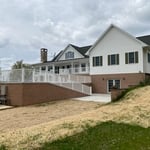
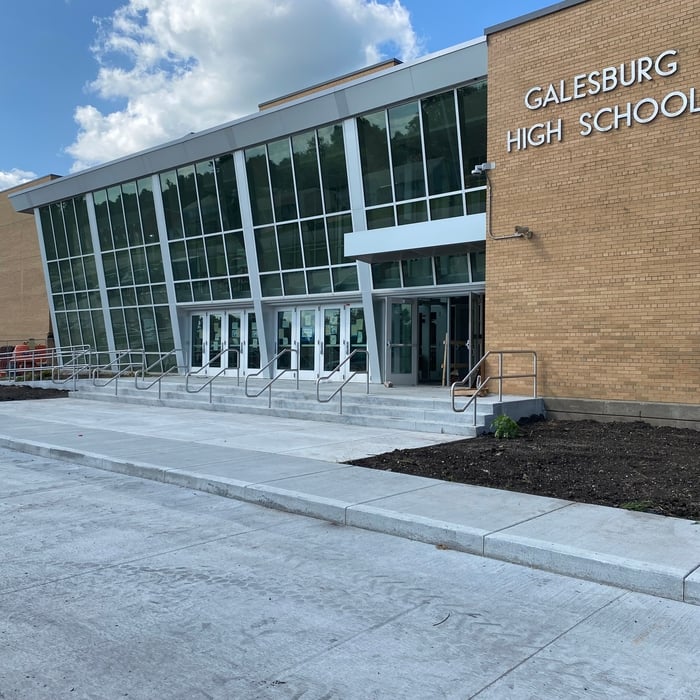
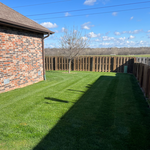
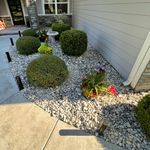
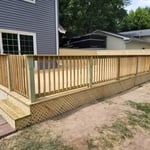
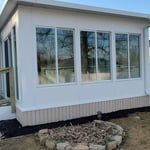
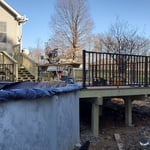
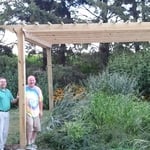
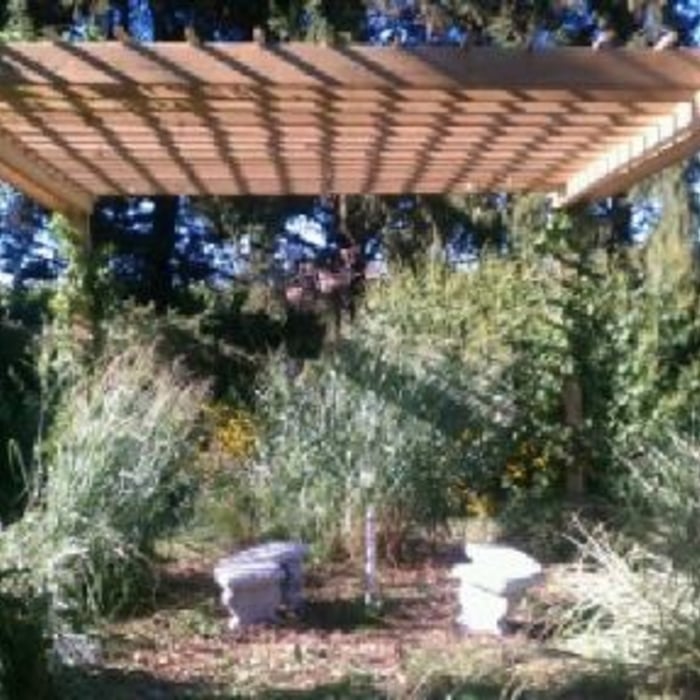
Rockhard Construction is committed to excellence in every aspect of our business. We uphold a standard of integrity bound by fairness, honesty, and personal responsibility. Our distinction is the quality of service we bring to our customers. Accurate knowledge of our trade combined with ability is what makes us true professionals. Above all, we are watchful of our customers' interests, and make their concerns the basis of our business.
"They were very professional Leveled my yard with 6 tons of dirt and we got hit with a heavy rain They didn't hesitate to get more dirt to fix what the rain washed away I would recommend nature scapes for any landscaping Awesome job to all you guys"
"Harold and team did an awesome job!! The quality is top notch!! Their price was really good and very competitive and the work comes with a 5 year warranty!"
" All went perfect! The price was slightly higher than a couple quotes I had, but the other guys didn't explain much of anything & seemed impatient about answering questions I had. Now, my roof looks great & since it's properly ventilated, my new shingles will last longer! Mike & his crew did a great job & were wonderful people to get to know. I am very greatful Mike & his crew were willing to drive from Moline, IL to Wilton, IA to do work for me. Talk about going the distance for your customer! Mike was on the job from start to finish. He came to give me an estimate & spent about an hour explaining what he was going to do and what the different products were that I asked about to use. I also asked for his opinion, which he gave & explained why. He was very patient in answering all the questions I had and never acted like he was in a hurry to leave. I am greatful he took the time to explain things to my understanding & satifaction without making me feel rushed. I was also impressed to learn that not only do the shingles have a great warranty on them, but Mike has an 8 yr. warrenty on his work as well! While doing the job, Mike & his crew worked well together & were quick, yet they paid attention to details. I was especially impressed when I looked out my window a few times, and saw that the guys that smoked would put their cigs. out & disposed of them in the trash & not all over my yard! Thanks guys! When the job was finished, Mike went around my home to double check everything to make sure that everything was cleaned up & finished correctly. My yard was as clean when they left as it was before they started! He made sure they got every nail they could find & every little scrap of paper, plastic, shingle, etc. that they could find. They also took extra precautions to check my driveway when ever I left or came home to make sure I didn't get nails in my tires. Job Very Well Done Guys! Any time I talked with Mike or his crew they were always polite & they were very friendly. Mike is a very respectable man & I would trust to hire him again in a heartbeat! I have some projects in the future I plan to do, & will definatly be calling him when I'm ready to do them. Thanks again, Mike! "
"It was one if the most stress free experiences I've had since being a property owner. I will use them for all my properties an refer them to all my friends. Thanks so much Maid Simple."
"I called around to about 4 different roofers and received some pretty good quotes. However, Miza with EMDF Roofing was the fastest to get back to me at every turn. They replaced my roof in the winter time so I knew the weather was a big factor. He found the only 2 dry days in a month and had the roof done. The crew came in and worked non-stop. He came in right on budget. From inspection to clean up I am very impressed with the whole job. Even though there are few reviews I am very glad I chose them and suggest others do the same."
"I would like to start off with precise, warm welcome and highly responsible of what they are doing. They really know what they are doing and from start from start to end it has been a great project with new experiences and great craftsmanship. Thanks again guys and i hope to have more work for you soon... "
Costs range from $3 to $7 per square foot, depending on the area size and project scope.
Like all driveway materials, asphalt can crack in the wrong conditions and with age. Many things can cause asphalt to crack, including shifting soil or settling under the foundation. Other common causes are driving oversized vehicles on the asphalt, tree roots, and using rock salt during the snowy season. Proper installation and sealing the driveway every 10 years can help prevent cracks.
The average cost to repair an asphalt driveway is around $2,459 to $2,500. However, prices can range from $100 for minor DIY crack filling to over $4,000 for more extensive professional work. Costs are often calculated per foot, with minor repairs costing $1 to $3 per linear foot and heavier damage like potholes, sinking, or crumbling costing $2 to $5 per linear foot. Patching smaller potholes can cost around $2 to $3 per square foot. The final price depends on the severity and extent of the damage, driveway design, local contractor rates, and whether sealing is included. For major repairs, it is recommended to hire a professional, and you may get a better deal by bundling repair and sealing services together.
If your driveway is cracked, you can repave it with a process called asphalt overlay. Overlay is more cost-effective than a full replacement but is better suited for minor cracks and issues. If you have major cracks or other problems like water pooling, asphalt overlay isn’t your best bet. Plus, paving over a cracked driveway only extends the lifetime by about 10 years, whereas replacing it would start the clock over completely to give you up to 30 years.
Asphalt is not a type of concrete. While both are a common type of pavement, asphalt is composed of aggregates (like sand and gravel) and bitumen; concrete is a mixture of cement, aggregates, and water. Here are some of the key differences between asphalt and concrete driveways.
The Hennepin, IL homeowners’ guide to asphalt driveway services
From average costs to expert advice, get all the answers you need to get your job done.
Learn how to find a top-rated asphalt driveway sealing pro by checking credentials and asking the right questions to ensure your pavement is protected.
Adding a new asphalt driveway to your home can boost its overall appearance and give homeowners a nice ROI down the line. But how long do asphalt driveways last, and what can you do to maximize their lifespans? Read this guide to find out.