






Top-rated bird control service pros.

Best bird control service pros near Granville, IL

Enter your zip and get matched with up to 5 pros

Need a pro for your bird control service project in Granville, IL?

Select your specific project to find the pro for you.

Top-Rated Bird control service pros in Granville - Updated Nov 2026

Avatar for Presto-X (St. Louis)
Presto-X (St. Louis)
New to Angi
Pest Control - Birds and Bats

Serving Granville, IL and surrounding areas

Approved

In business since 1932

Free estimates

Warranties offered

Since 1932, Presto-X has been providing expert pest control services guided by the enduring principles of providing world class service to our customers and taking care of our colleagues. Presto-X covers your home or business with expert knowledge, professionally licensed and trained technicians, and exemplary service designed specifically for you.

Bird Control FAQs, answered by experts

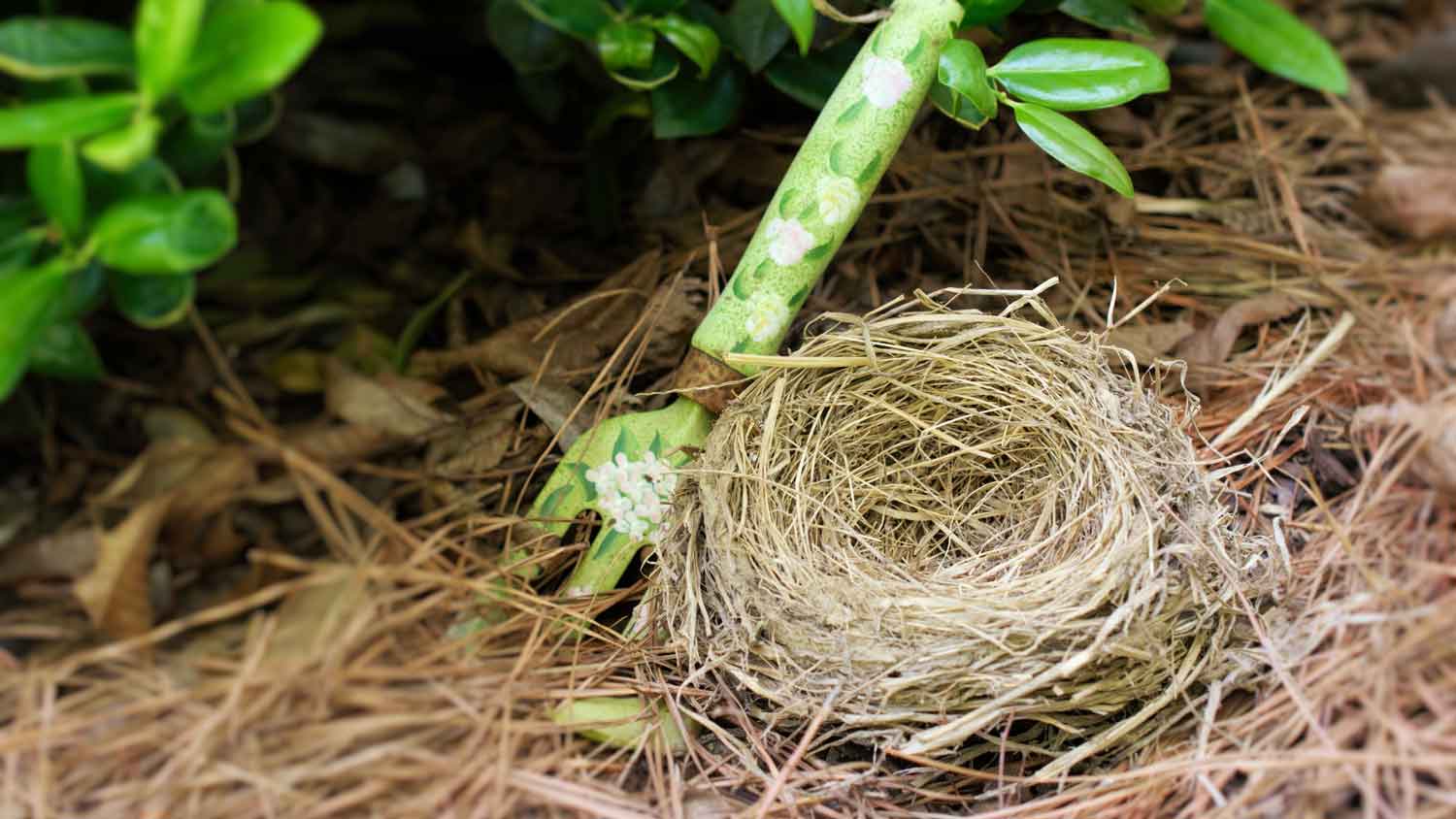
No single deterrent will work 100 percent of the time, so we suggest combining deterrents to ensure your seed has the best possible chance to grow. Using bird netting over your seed, with physical deterrents like mylar tape coupled with hanging bird feeders at the edges of your growing area—and removing any bird’s nests, if possible—will give your seeds the best possible chance for success.

Woodpeckers peck at the break of dawn and take a break whenever the sun is not shining. On sunny days, expect pecking from dawn to dusk. On cloudy days, expect sporadic pecking when the sun peeks through. These birds are most active in the spring; you’ll hear them drumming as soon as the weather turns warm. 

Small amounts of geese are actually good for the environment. They help spread seeds and lead to more plant growth, but they’re often an invasive species, particularly Canadian geese. This means a small gaggle can quickly grow into a level that litters your lawn with bald patches and excrement.

Most treatments take 1-3 hours, but severe infestations may require multiple visits.

When woodpeckers start banging on your walls or roof, they are probably looking for insects to eat, storing nuts for winter, drilling a hole to make a nest, or communicating with other birds to establish territory or find a mate.

The size of the hole can help determine the reason for the pecking. Small irregular holes are a result of insect hunts. Acorn holes are more consistently sized and often fitted with a nut in the middle. Nest holes are large and have rounded edges. If the bird is pecking to mark its territory or attract a mate, it may leave dents rather than holes, and the noise will stop when the mating season starts in spring.

The Granville, IL homeowners’ guide to bird control services

From average costs to expert advice, get all the answers you need to get your job done.