





When pests show up, so do we.\n\nFor nearly a century, Terminix® has been one of America's most trusted names in pest control. Every day, our exterminators serve thousands of homes and businesses nationwide, combining national service with local knowledge to provide best-in-class, proactive pest management solutions. We stop problems before they start and respond quickly if issues arise, keeping your property protected.\n\nAnd for extra peace of mind, if pests come back, so do we‐guaranteed.\n\nThe Terminix It Guarantee means that if pests come back, so do we to re-treat at no additional cost. No excuses, just a commitment to care for your home like it's our own with protection you can trust.3
This depends on if their needs are being met. They'll likely return night after night if they have access to food, water, and adequate shelter. If this changes, they’ll look for another roosting spot. This is why bright lights and other dissuading factors often work when removing bats from a property.
Look for goose repellents that contain the ingredient methyl anthranilate. This is a natural chemical found in grape juice. In human food, it’s often used as grape flavoring. With geese, it’s highly irritating. Grape Kool-Aid contains methyl anthranilate, the active ingredient in most bird repellents. It won’t harm geese, but it will deter them.
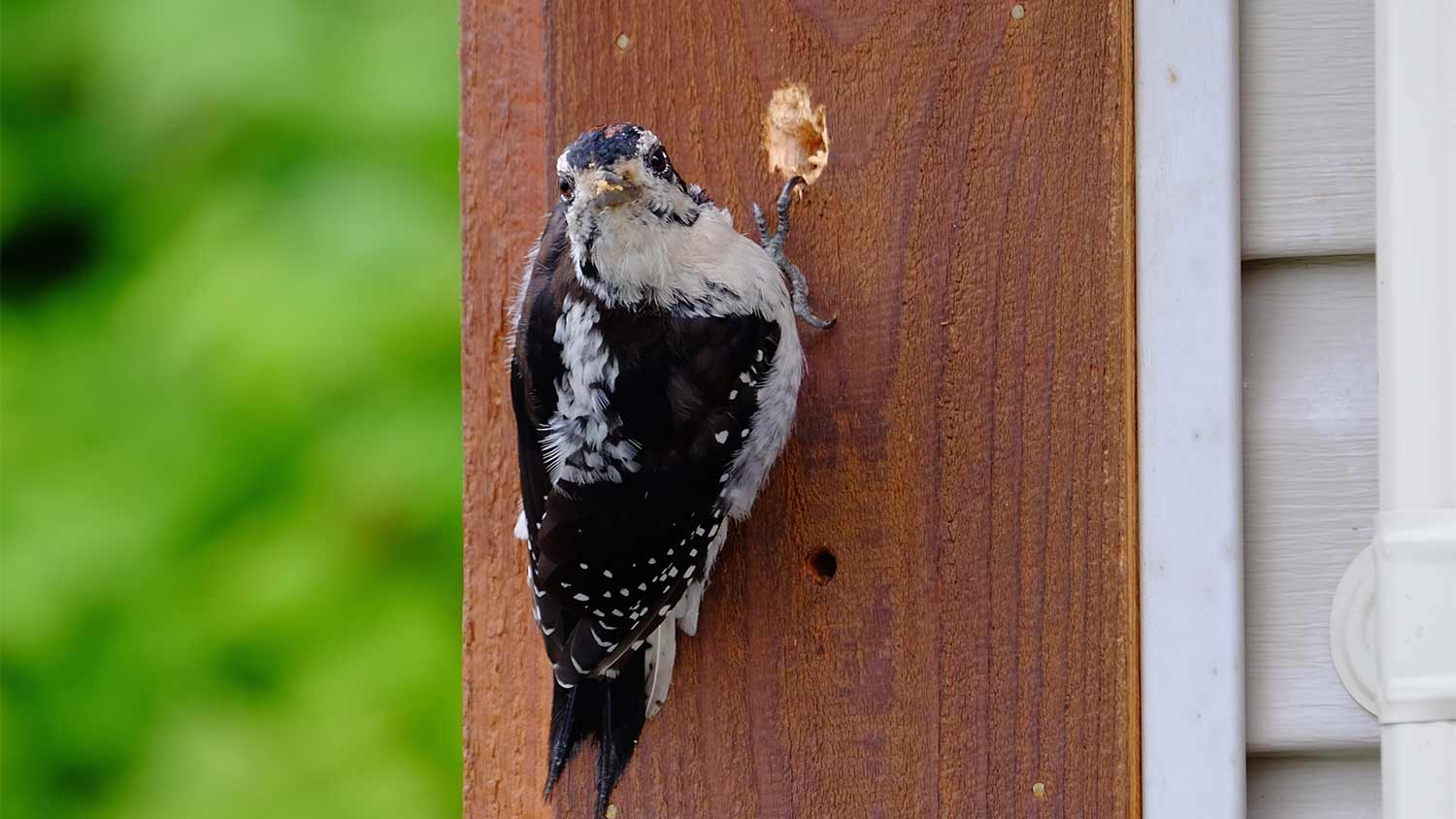
When woodpeckers start banging on your walls or roof, they are probably looking for insects to eat, storing nuts for winter, drilling a hole to make a nest, or communicating with other birds to establish territory or find a mate.
The size of the hole can help determine the reason for the pecking. Small irregular holes are a result of insect hunts. Acorn holes are more consistently sized and often fitted with a nut in the middle. Nest holes are large and have rounded edges. If the bird is pecking to mark its territory or attract a mate, it may leave dents rather than holes, and the noise will stop when the mating season starts in spring.
Yes, bats can cause quite a bit of damage to the attic. Their weight and movement from flying around can damage insulation, and they can chew through wiring and the walls. As if this isn’t enough, they leave their droppings throughout, which carry harmful bacteria and is dangerous for humans to breathe in, not to mention the extremely foul-smelling odor.
It can be difficult to know what type of animal is in your attic until you see it. But several clues can help you narrow down the suspects:
Sounds: Smaller animals like rats and mice make scurrying and tapping/gnawing sounds. Larger animals like raccoons and opossums make louder clambering noises. Also, note when animals are noisy: Squirrels are active during the day, while rats are busiest at night.
Droppings: Rats and mice leave small, rice-shaped droppings (the rat’s version is significantly larger). Bigger droppings belong to larger critters like raccoons. As long as you’re not squeamish, an image search can help you identify what you’re seeing in your attic.
When in doubt, take photos of damage or other evidence and show them to an experienced pest control pro.
The Tiskilwa, IL homeowners’ guide to bird control services
From average costs to expert advice, get all the answers you need to get your job done.
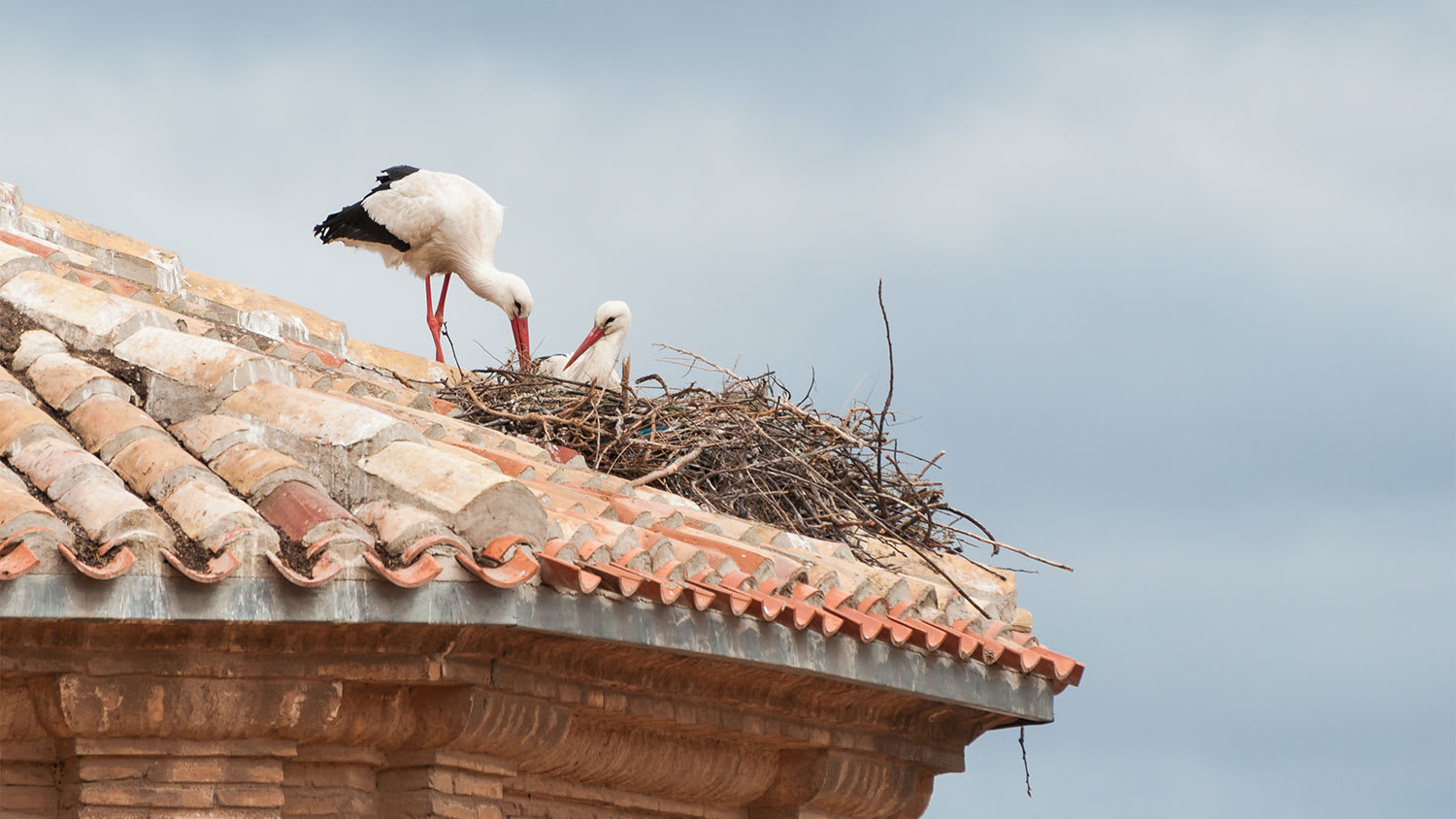
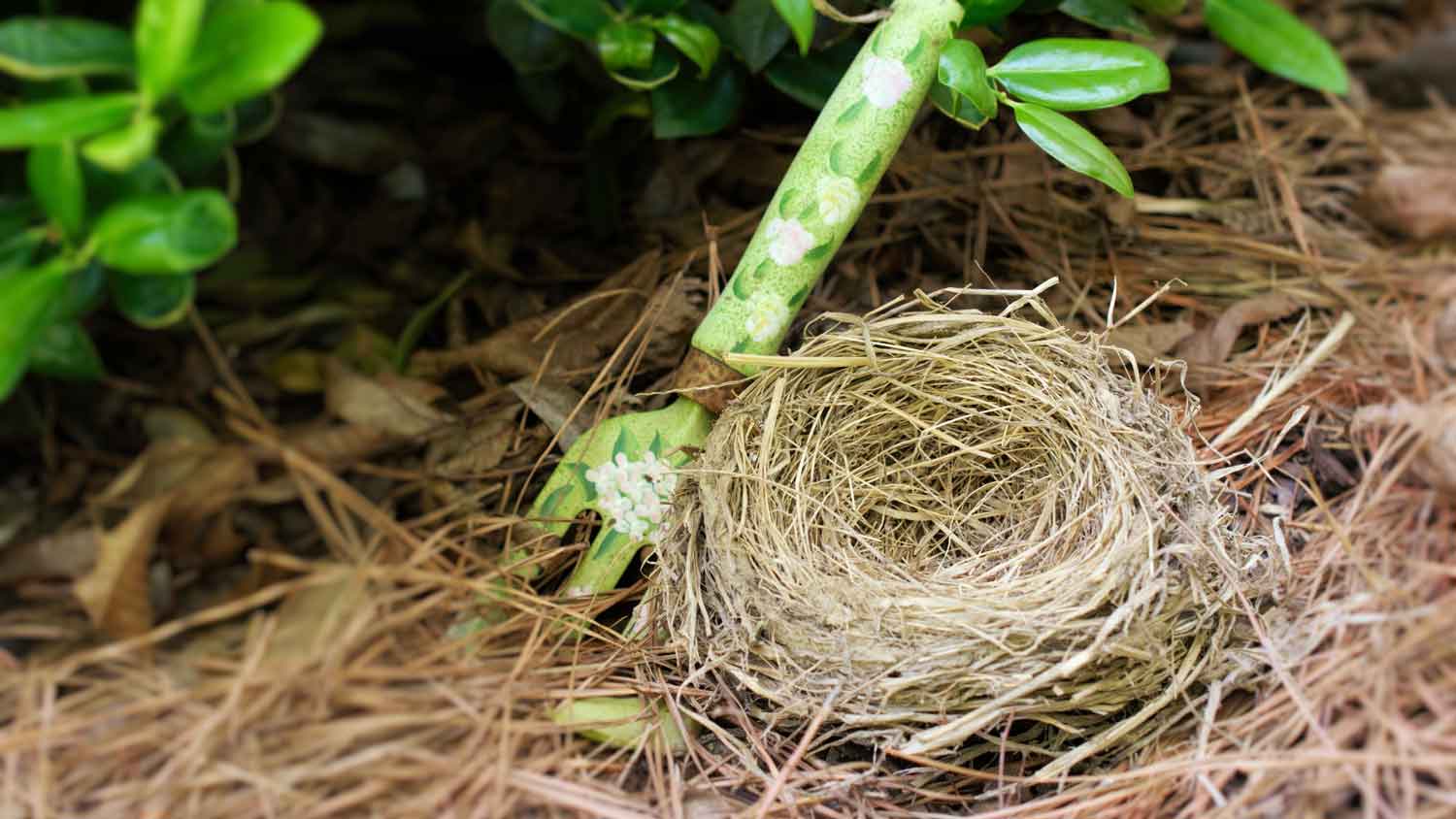
Sometimes birds nest in unwelcome places. Find out how much bird nest removal will cost based on factors like location, bird species, and preventative measures.