





Top-rated excavation pros.

Get matched with top excavation pros in Cordova, IL

Enter your zip and get matched with up to 5 pros

Need a pro for your excavation project in Cordova, IL?

Select your specific project to find the pro for you.

Find Excavation pros in Cordova

Avatar for Scott's Landscapes and Lawn Care
Scott's Landscapes and Lawn Care
4.0(
30
)
Landscape - Minor Grading or Resloping

Serving Cordova, IL and surrounding areas

In business since 2016

Free estimates

Emergency services offered

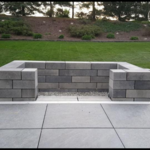
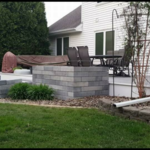
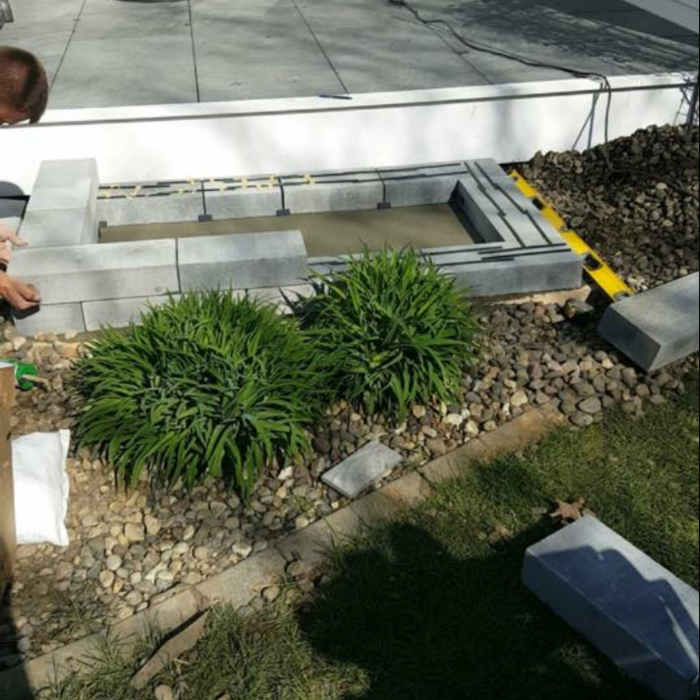
"I have hired him twice now to repair existing black walls and also to put in new wall. Both times I was extremely impressed with his work and he cleaned the place up like he had never been there. Would recommend to anyone."
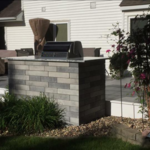
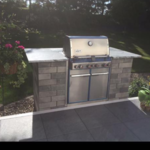
Lineo stone grill enclosure

+84

Response time1 day
Recommended by94%of homeowners
Showing 1-10 of 32
Excavating questions, answered by experts

Septic drain lines (or leach lines) are typically buried between 18 and 36 inches underground, and should be at least 6 inches below the surface. These pipes are perforated and surrounded by filtering materials like sand or gravel. Burying the lines at this depth helps minimize odors and allows bacteria and other biological processes in the soil to effectively treat the wastewater. Burying lines too close to the surface can cause issues unless the soil is very compact and stable.

Call 811 to locate and mark the gas lines at least three days before digging. In many areas, you can dig within 18 inches of the lines, though in some locations, the distance may be further. Check local regulations, as you may need a utility company representative onsite when digging. Document your calls to 811 and precautions taken to avoid gas lines. A homeowner can be held liable for hitting a gas line in some cases, but contacting the proper authorities and following all guidelines can offer protection.

Skunk digging looks like a series of small, cone-shaped holes on a lawn or around the perimeter of a home, porch, deck, or shed. The holes that skunks dig when searching for grubs tend to be no more than four inches in diameter and may be up to four inches deep.

A crawl space can be as little as 42 inches below the grade of your house, but this is not always recommended in flood-prone areas. At a minimum, there must be at least 16 inches of clearance between the ground and the floor joists to access the space in an emergency.

There is no standard depth for burying a septic tank; they are typically buried anywhere from 4 inches to 4 feet underground. The final depth depends on several factors, including the depth of your main sewer line, the height of the bedrock, soil type, local regulations, and the property's landscape. If you plan to grow grass or plants over the tank, a depth of at least 4 to 6 inches is recommended. Deeper tanks can be more difficult to locate, but a septic professional can help find it for you.

The Cordova, IL homeowners’ guide to excavation services

From average costs to expert advice, get all the answers you need to get your job done.