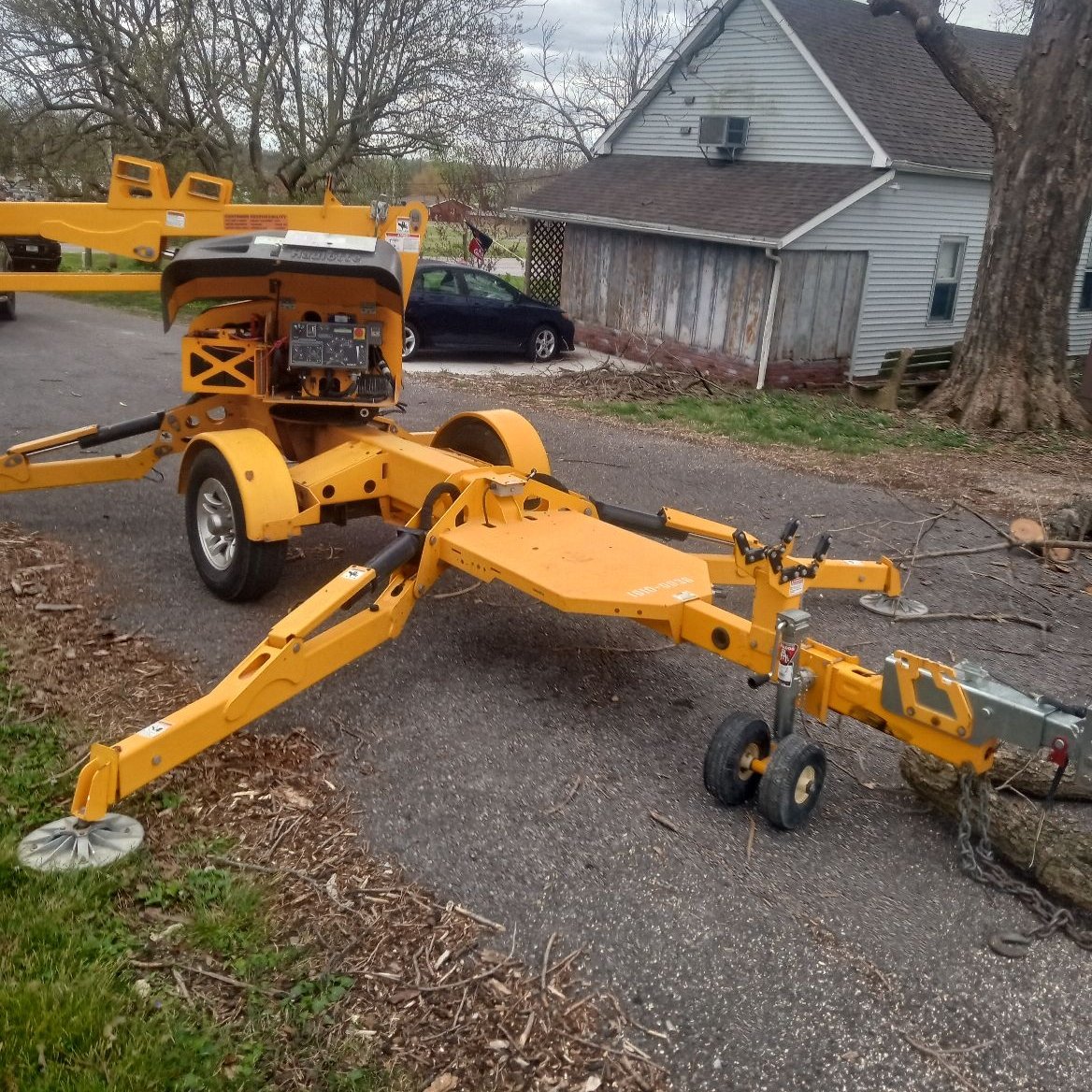


Top-rated tree service pros.

Get matched with top tree service pros in Caseyville, IL

Enter your zip and get matched with up to 5 pros

Need a pro for your tree service project in Caseyville, IL?

Select your specific project to find the pro for you.

TRUSTED BY CASEYVILLE, IL HOMEOWNERS

  • Average homeowner rating star icon4.5
    Average homeowner rating
  • Verified reviews icon535
    Verified tree services reviews

Find Tree service pros in Caseyville

Avatar for Atrstl tree service
Atrstl tree service
5.0(
4
)
Tree TrimmingTree RemovalTree Stump - Remove

Serving Caseyville, IL and surrounding areas

Approved

In business since 2025

Free estimates

Emergency services offered

"ATRSTL did an excellent job! They came out when they said they would, trimmed our trees and removed a 7ft hedge. Their team had all the needed equipment and finished the job in a timely manner. All limbs, bushes and debris were cleaned up and taken with them for disposal. Highly recommend!!"
2 neighbors recently requested a quote
...
Showing 1-10 of 124
Tree Service questions, answered by experts

The lifespan of a bird's nest depends on the species. The building process can take from two days to three weeks. Once built, the nesting period for baby birds can last from two to ten weeks before they leave the nest. While most young birds are ready in two to six weeks, some predatory species may need up to two and a half months. Some species nest four to five times per year, so a nest could remain in use for several months. For specific information about a particular nest's longevity, it is best to consult a wildlife professional.

Since summer is a busy time for tree companies, the cheapest time of year to remove a tree is during the winter. February and March are typically the prime time to hire a tree removal pro, and some homeowners living in colder climates can save around 20% off services. It depends on location and the company, but you can always shop around for the best deal.

It’s not as common for Dutch elm disease to affect other types of trees, especially if the surrounding trees aren’t elms. However, it is possible for DED to spread to other trees, particularly in northern states, like Minnesota. In fact, it’s a good idea to use geography to identify wood and determine which types of trees are in your yard. 

Unfortunately, the complex and shallow root system of elm trees makes surrounding elm trees particularly vulnerable to DED. Early discovery is key!

Since each tree is different, it’s impossible to say how long a dead tree can remain on your property. While it could be days, months, or even years, it’s highly likely that, at some point, the tree will fall. In the meantime, dying or dead trees can become a haven for pests, so it’s best to have them removed sooner rather than later.

In most cases, you should not use a pruning seal on trees after trimming. Applying a sealant can interfere with the tree's natural healing process, and it does not guarantee protection from pathogens. Instead of sealing the cut, the best practice is to support the tree's natural recovery by providing it with plenty of water and a dormant-style fertilizer. However, there are exceptions. Pruning seals may be recommended for very vulnerable species, like elm trees, in areas where dangerous diseases such as Dutch elm disease are prevalent. In these specific situations, the protection offered by a sealant can outweigh its downsides. For advice tailored to your situation, especially after cutting large branches, it is best to consult a local tree trimming professional.

The Caseyville, IL homeowners’ guide to tree services

From average costs to expert advice, get all the answers you need to get your job done.