Top-rated tree service pros.

Best tree service pros near Lebanon, IL

Enter your zip and get matched with up to 5 pros

Need a pro for your tree service project in Lebanon, IL?

Select your specific project to find the pro for you.

TRUSTED BY LEBANON, IL HOMEOWNERS

  • Average homeowner rating star icon4.6
    Average homeowner rating
  • Verified reviews icon613
    Verified tree services reviews

Top-Rated Tree service pros in Lebanon - Updated Nov 2026

...
Showing 1-10 of 90
Tree Service FAQs, answered by experts

While trees can grow in the curb strip between the sidewalk and the street, this placement often poses the problem of interfering with overhead power lines. It’s best to consult your local utility provider and tree planting service before transplanting a tree that might grow into power lines. Also, you should never work within 20 feet of a live power line to avoid the risk of electric shock. Tree branches should never touch nearby power lines, so it’s essential to ensure your tree isn’t in danger of growing too close to them.

Generally, you should prune around 20% of an apple tree’s growth—and never more than 30%. This means that if you have a severely overgrown tree, it can take a few seasons to prune it back enough to produce the healthiest fruit. 

If you’re dealing with a newly planted or juvenile tree, hold off on pruning beyond the initial shaping. Wait at least a couple of seasons into fruit production since pruning can increase the number of water sprouts and unproductive foliage.

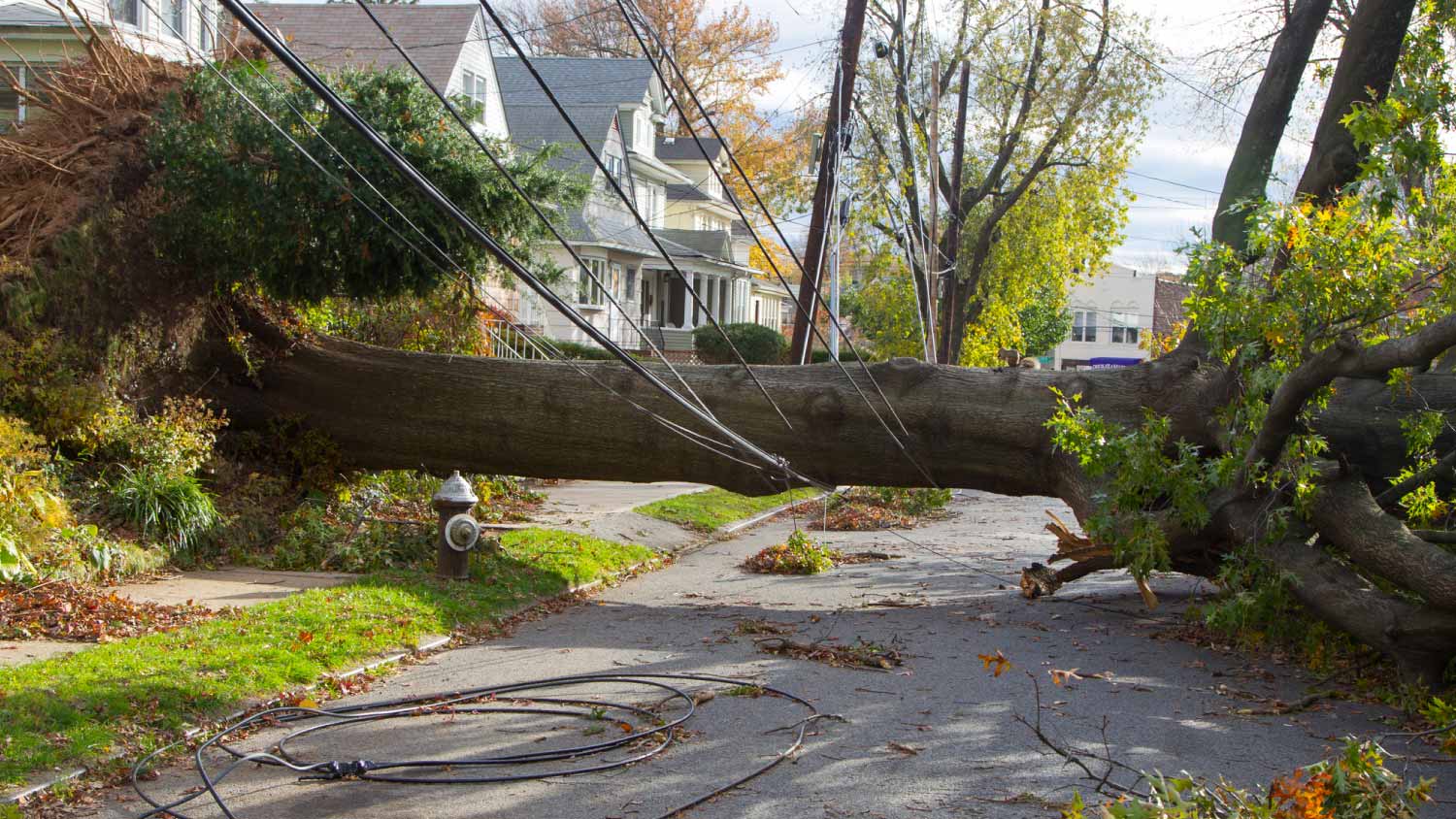
Cutting down a tree next to power lines is never a DIY job, and it’s a good idea to contact your utility company first. In most cases, the utility company will need to take care of any tree problems within 10 to 15 feet of power lines. If you want to remove the tree for aesthetic reasons, hire a pro to do the job. Trying to cut trees near power lines yourself can create many safety hazards, and you could be liable if you inadvertently cause damage to electrical equipment.

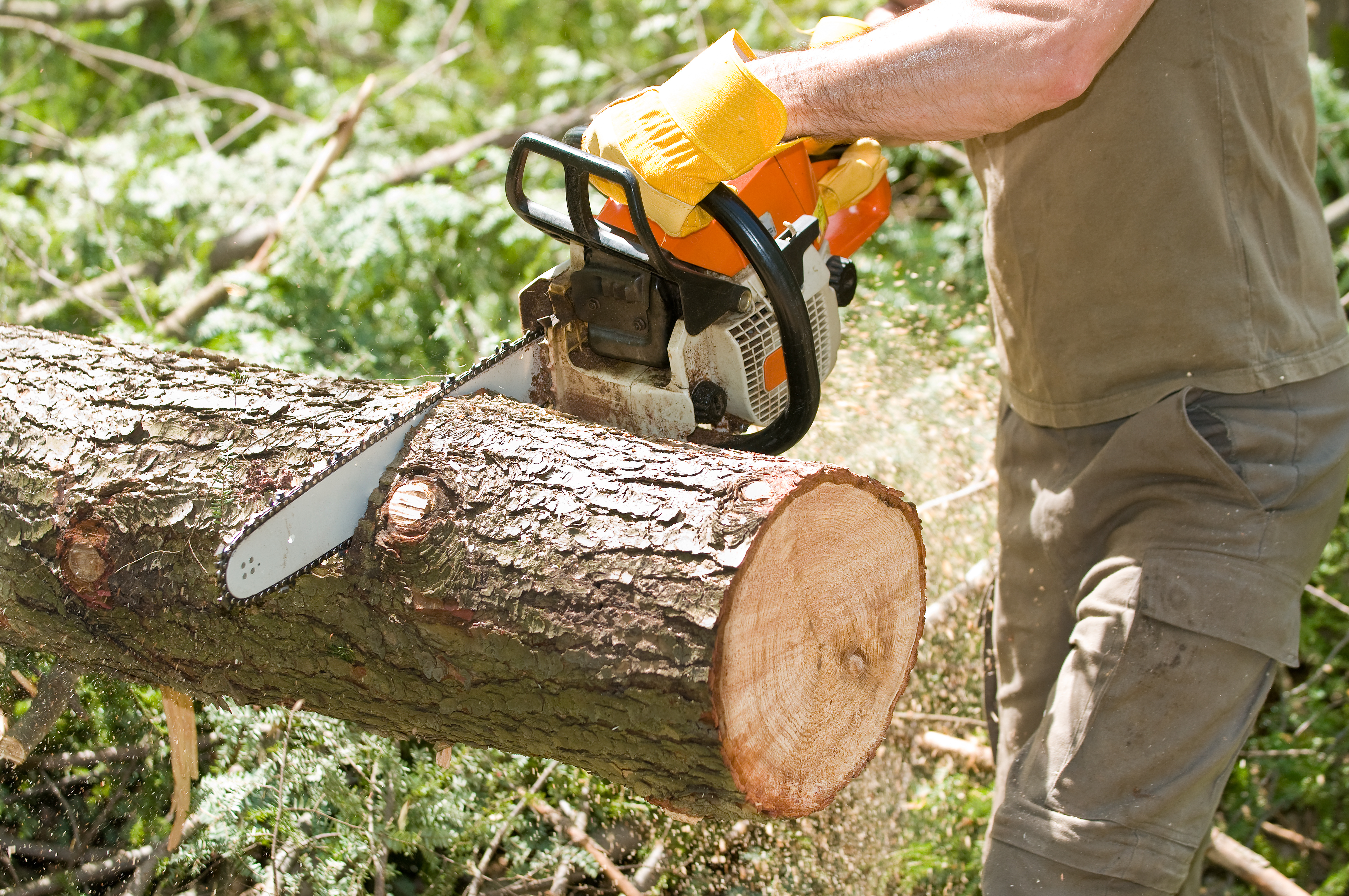
The felling notch you make before you make the final cut will determine which way the tree will fall. The cut will be in a wedge or triangle, and the tree will fall from the highest point of the triangle. You can use this, as well as the process described above, to estimate where a tree will fall. 

In most ways, palm trees are incredibly low-maintenance. They don’t need a ton of water—which is why they’re so beloved in desert regions—and they basically prune themselves. But they do need an ample supply of sunlight and to be in soil that will allow for proper drainage so that their roots don’t become waterlogged and at risk of developing illnesses.

If the plant begins to wilt, develop spots, or change color, these could all be signs that your palm tree has a disease. But a few basic treatments, like pruning and applying fungicide, will usually be more than enough to return it to perfect health.

The Lebanon, IL homeowners’ guide to tree services

From average costs to expert advice, get all the answers you need to get your job done.