







Top-rated pool table assembly pros.

Get matched with top pool table assembly pros in Arlington Heights, IL

Enter your zip and get matched with up to 5 pros

Need a pro for your pool table assembly project in Arlington Heights, IL?

Select your specific project to find the pro for you.

TRUSTED BY ARLINGTON HEIGHTS, IL HOMEOWNERS

  • Average homeowner rating star icon4.6
    Average homeowner rating
  • Verified reviews icon1.3k+
    Verified pool table assembly services reviews

Find Pool table assembly pros in Arlington Heights

Avatar for The Handy Veteran
The Handy Veteran
5.0(
146
)
Handyman for Multiple Small Projects

Serving Arlington Heights, IL and surrounding areas

Approved

Super Service Award Winner

In business since 2017

Free estimates

Warranties offered

"It went well. Everything we needed done that Kevin could help with was taken care of. Very professional and rate was reasonable. Will be my first choice when I have more handyman work for sure. Thx again Kevin!"
Additional Photos
Additional Photos
Additional Photos
Additional Photos
Additional Photos

+5

3 neighbors recently requested a quote
Recommended by95%of homeowners
...
Showing 1-10 of 525
Pool Table Assembly questions, answered by experts

Yes, you can absolutely use a sand filter with a saltwater pool, but you’ll have to make sure you have the right grade of sand to catch smaller particles, just like in a standard pool. To choose the right pool filter, consider the degree of filtration you’ll need. Cartridge or diatomaceous earth filters can remove smaller particles, so they’re better suited for a less chlorinated saltwater pool.

No, shock and chlorine are not the same thing, though they are related and both are used for pool maintenance. Regular chlorine, often in the form of tablets, is a sanitizer used for routine, day-to-day maintenance to keep a steady chlorine level. Pool shock, however, is a highly concentrated dose of chlorine used periodically for a more intense cleaning. It rapidly raises chlorine levels to fix issues like cloudy water or algae growth and also eliminates chloramines, which are byproducts of regular chlorination. Because their purposes and concentrations differ, they are not interchangeable, and proper pool care typically requires using both.

Some pool professionals recommend adding an extra layer of comfort and protection between your pool and the vinyl liner. Made from a range of plastic blends, these liners can absorb moisture, allow the pool liner to breathe, and act as an extra barrier for pests, burrowing animals, and mildew. They also provide an extra layer of comfort for swimmers.
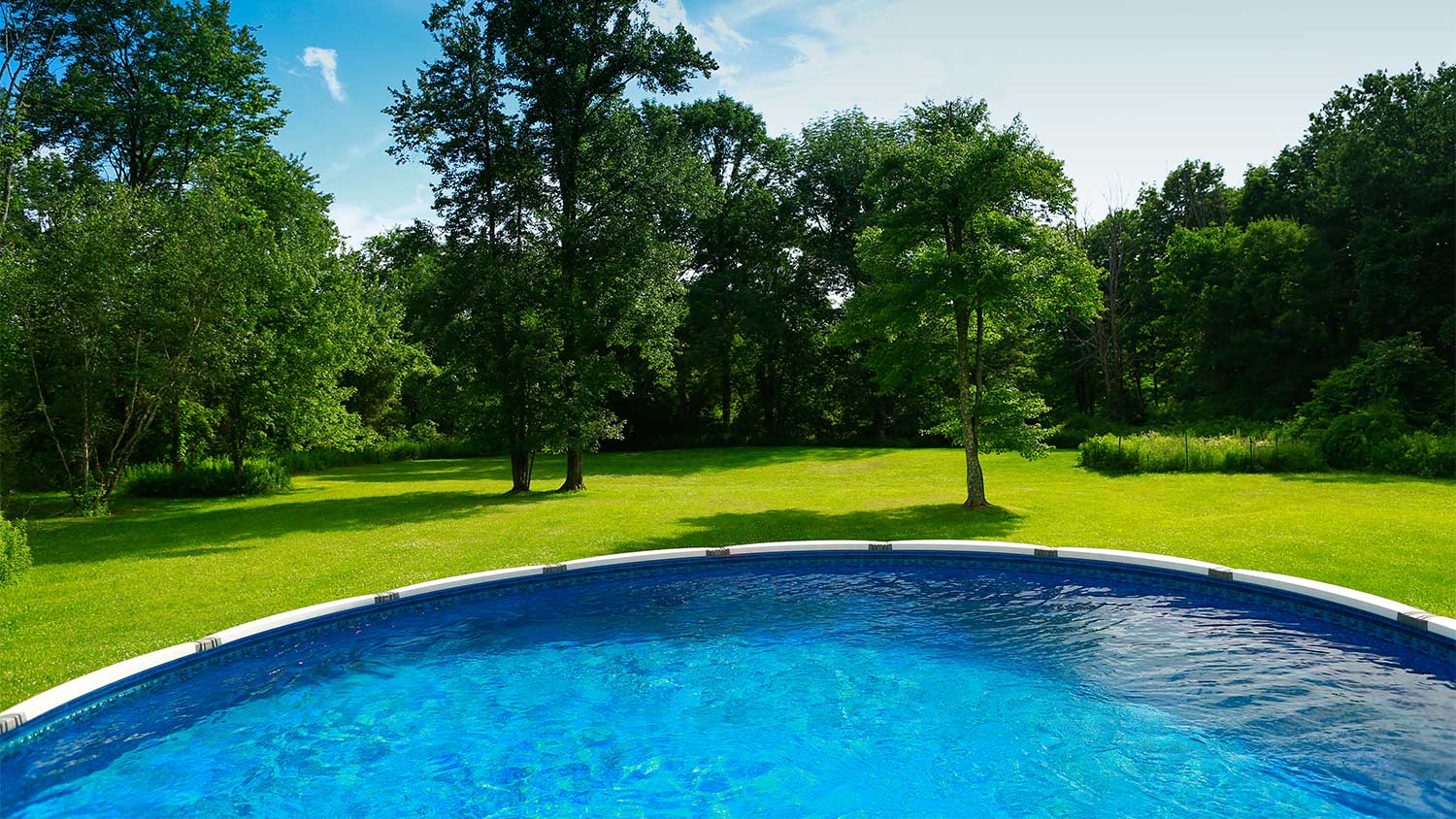
How long a pool liner lasts depends on the type of pool. Most in-ground pool liners last between six and 12 years, while aboveground pool liners last anywhere from six to 10 years. You can extend the life of your pool liner by maintaining proper pool chemistry, adding chemicals individually to avoid staining the liner, using a pool cover to protect it from the sun, and keeping sharp objects away from it.
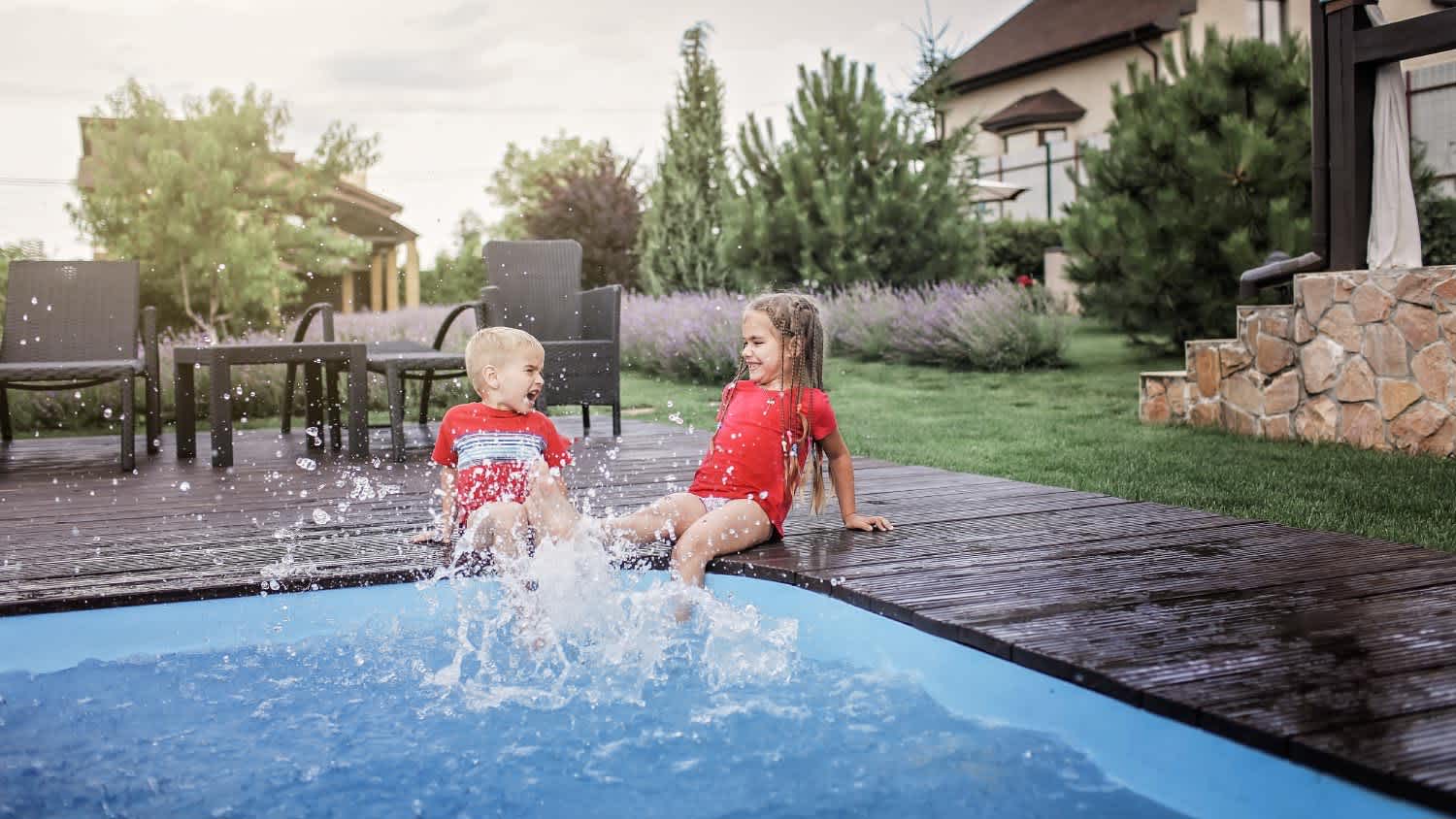
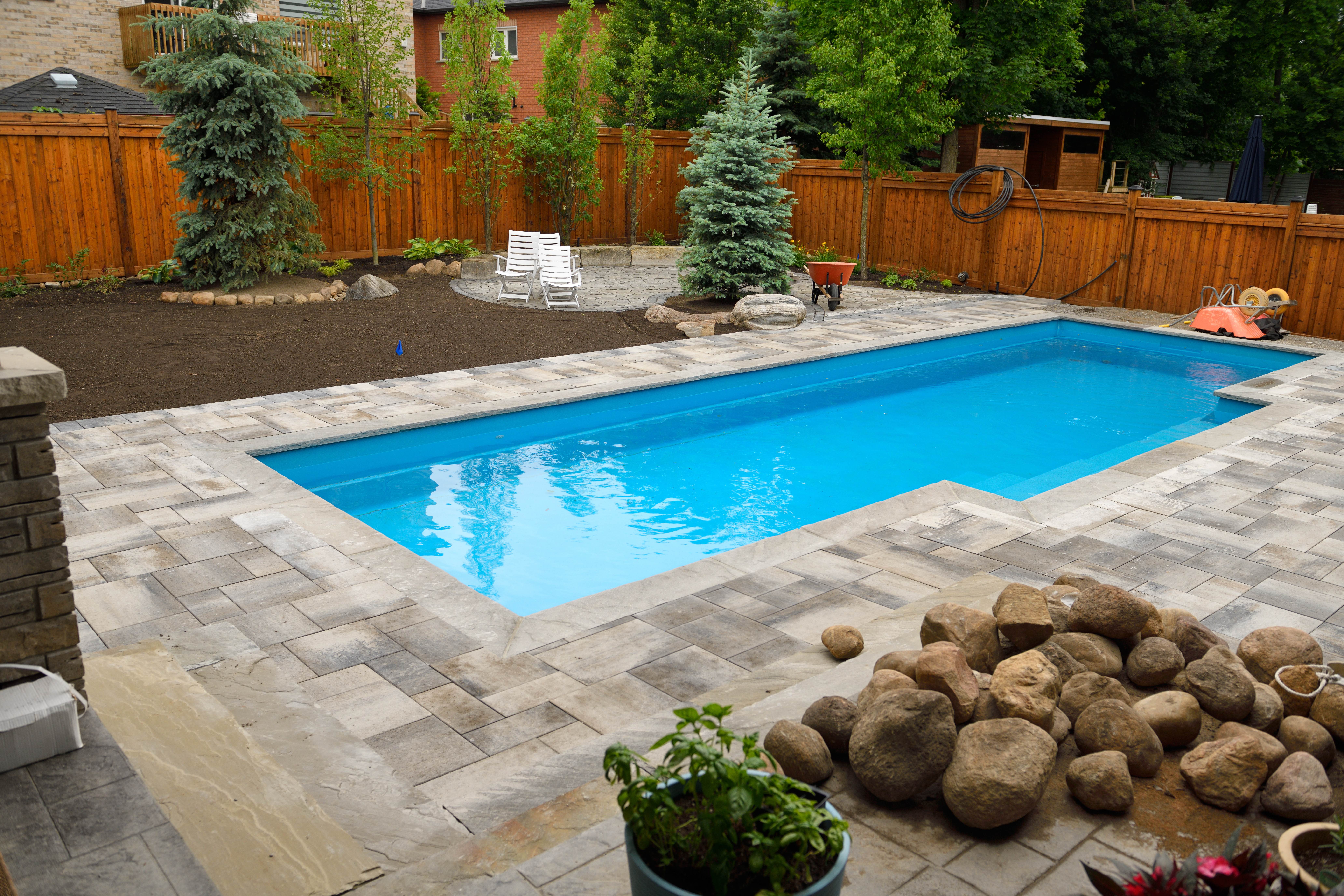
The steps to fill a swimming pool will depend on your local building codes. However, it starts with draining the pool of all water using a submersible pump. Then your pro will lift the pool shell from the ground or break it into pieces for individual removal. The next step is filling the cavity with dirt and gravel and topping it with topsoil. Once a structural engineer deems the site safe, landscaping can start.

The Arlington Heights, IL homeowners’ guide to pool table assembly services

From average costs to expert advice, get all the answers you need to get your job done.