





Top-rated excavation pros.

Get matched with top excavation pros in New Meadows, ID

Enter your zip and get matched with up to 5 pros

Need a pro for your excavation project in New Meadows, ID?

Select your specific project to find the pro for you.

Find Excavation pros in New Meadows

Avatar for New Frontier Construction LLC
New Frontier Construction LLC
5.0(
10
)
Building Site - Preparation and ClearingBuilding Site - Preparation and Clearing - For BusinessExcavation - Major Grading or Resloping+2 more

Serving New Meadows, ID and surrounding areas

In business since 2010

Free estimates

Emergency services offered

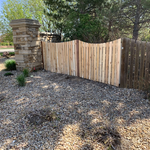
"Kenny and his crew were awesome. I had a different idea for a residential fence other than wood and Kenny was very open minded and worked with me on some other ideas and options to bring this project together. Very impressed with workmanship and customer service. We installed a galvanized corrugated fence with steel pipes. Very industrial and unique. I would definitely recommend this company as well as hire them again for my next project."
Additional Photos
Additional Photos
Additional Photos
Additional Photos
Additional Photos

+18

Recommended by100%of homeowners

Premiere Excavation
New to Angi
Excavation - Major Grading or ReslopingExcavation - Major Grading or Resloping - For BusinessLandscape - Minor Grading or Resloping

Serving New Meadows, ID and surrounding areas

In business since 2024

Free estimates

Offers commercial services

Premiere Excavation is a locally owned and operated company that values honesty and integrity in all aspects of our business. With over 5 years of experience, we pride ourselves on our innovative ideas and suggestions tailored to your projects. Our services are customized to your individual needs, paying close attention to the details of each project that we are involved with. Please feel free to contact us today!\n

Showing 1-10 of 16
Excavating questions, answered by experts

A perc test can take anywhere from one to eight hours to complete. The total time depends on factors like the amount of excavation required, the depth and width of the holes, and whether multiple test holes are needed. For a single hole, the process of filling it with water and monitoring the drainage rate usually takes less than an hour. Professionals can often complete the entire test in a single day. While it's possible to get results the same day, some companies may take a few days to provide the official report.

There are several methods to hollow out a tree stump, and the best one depends on your tools, experience, and priorities. Common methods include using a chisel and hammer, a chainsaw, or burning.

  • Chisel and Hammer: This is often considered the easiest approach for those with limited tools or experience, though it is the most time-consuming.

  • Chainsaw: Using a chainsaw is the fastest method, but it comes with significant safety risks, especially for inexperienced users.

  • Burning: This can be an effective method, but it is not recommended unless you can first drill holes into the stump. Without holes, the stump will be difficult to light and may not burn completely through.

A power drill with at least a ⅜-inch diameter bit can make the job quicker and easier, regardless of the primary method. While you can use a chisel or chainsaw without a drill, it will require more time and effort. Always wear protective goggles and thick gloves, as splinters are an inevitable risk.

Prior to excavation, you should prepare the dig site and call 311 before you sign anything.

To get your site ready for excavation, you should move anything in the area that isn’t affixed to the land. You can save money on the excavation by removing hardscaping, including walkways, decks, concrete patios, and paver patios.

Before you carry out any digging, you should call 311 to confirm that there are no utility lines running through your excavation site. Skipping this step could lead to severe injury and property damage if your excavator hits a water, sewage, or gas line.

A trench that is less than 5 feet deep often doesn't require a protective system. Most residential trenches will not go this deep (the typical residential drainage trench is just 18 inches deep). In the event that an excavator needs to dig more than 5 feet beneath the surface, a protective system is required unless the excavation is in entirely stable rock.

Septic drain lines (or leach lines) are typically buried between 18 and 36 inches underground, and should be at least 6 inches below the surface. These pipes are perforated and surrounded by filtering materials like sand or gravel. Burying the lines at this depth helps minimize odors and allows bacteria and other biological processes in the soil to effectively treat the wastewater. Burying lines too close to the surface can cause issues unless the soil is very compact and stable.

The New Meadows, ID homeowners’ guide to excavation services

From average costs to expert advice, get all the answers you need to get your job done.