
Top-rated excavation pros.

Get matched with top excavation pros in Mackay, ID

Enter your zip and get matched with up to 5 pros

Need a pro for your excavation project in Mackay, ID?

Select your specific project to find the pro for you.

Find Excavation pros in Mackay

Avatar for Wild West  Excavation, LLC
Wild West Excavation, LLC
5.0(
2
)

Serving Mackay, ID and surrounding areas

In business since 2017

Free estimates

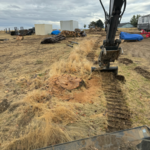
"Vaughn & his family are very knowledgeable about grading, brush removal & how to get it done efficiently. He brings in the equipment necessary even if it wasn't his original plan. We had about 1 1/2 acres of brush, weeds & debris that needed to be tamed. We had just moved in to this house & the back area by the basement door had been graded improperly causing water issues. Vaughn had the brush & debris cleared & disked under as well as the back area graded in short time. He has been a huge help to my daughter on her overgrown & unmanaged 6 acres as well. Will highly recommend Wild West in the future."
Response time6 hrs
Response rate87%
Recommended by100%of homeowners
Excavating questions, answered by experts

Most professional excavation teams will charge between $8 and $15 per cubic yard. Calculate the cost by finding the volume of your pool—width x length x depth—and dividing it by 27. Then, multiply the price by the cubic yards from your equation. Budget for complications like a rocky lawn, hard-to-access pool area, or high local labor prices.

If you have a broken sprinkler pipe underground, there will be some signs you can easily spot to locate it and take action. These include leaks, water spouts, flooding, consistently damp areas on your lawn, low water pressure, and grass around the sprinkler head that’s taller and darker than anywhere else in the yard. 

If there are no obvious signs of a broken pipe, you can use tools such as water leak mics, leak noise loggers, audio devices that record leaks, and acoustic testing links. 

Broken pipes can lead to uneven watering, plant damage, and higher utility bills. The longer you wait to fix them the more the repair cost may be.

Trenching and boring are two distinct methods for installing underground utilities. Trenching involves digging a channel using equipment like an excavator, trencher, backhoe, or shovel. While it is a simpler process, it causes significant disruption to the surface, landscaping, and surrounding ecosystems.

Boring, also known as directional boring, is a less invasive alternative that uses a drill to create a tunnel for utility lines without disturbing the surface. This method is more precise and is ideal for installations that need to go underneath buildings, roads, or bodies of water. Although boring is less disruptive, it is generally more expensive than trenching.

Trenchers can dig holes as narrow as 4 inches or as wide as 4 feet. Check the specifications of the trencher you rent or buy to determine how wide it will cut into the landscape. Better yet, let the excavation company know how wide you’d like the trench to be, and they can help you choose the right trencher for the job (or do it for you).

Tree experts don’t advise against digging through tree roots, but instead encourage caution and consultation with a local arborist to make sure you don’t damage the tree’s structure or interrupt its water or nutrient intake. An arborist can recommend specific practices when digging and help prune the roots or dig a trench for utilities with a tool that can remove soil without touching the tree’s roots.

The Mackay, ID homeowners’ guide to excavation services

From average costs to expert advice, get all the answers you need to get your job done.