





3 Rios Landscaping, Inc.
Water Feature - Install a Pond
Serving Filer, ID and surrounding areas
In business since 2005
Free estimates
"They did a really good job."
Response time3 days
Recommended by100%of homeowners

 4.5
 151
*The Angi rating for Aquarium Service companies in Filer, ID is a rating based on verified reviews from our community of homeowners who have used these pros to meet their Aquarium Service needs.
*The HomeAdvisor rating for Aquarium Service companies in Filer, ID is a rating based on verified reviews from our community of homeowners who have used these pros to meet their Aquarium Service needs.
Last update on March 11, 2026
Serving Filer, ID and surrounding areas
In business since 2005
Free estimates
"They did a really good job."
Serving Filer, ID and surrounding areas
In business since 2009
Free estimates
Credit card accepted
We offer custom made concrete countertops, concrete sinks, custom made items, interior and exterior painting, faux finishes, epoxy garage flooring, pressure washing, and more. \n\nWe accept credit cards, paypal, cash, and checks.
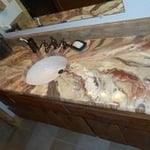
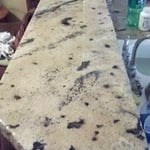

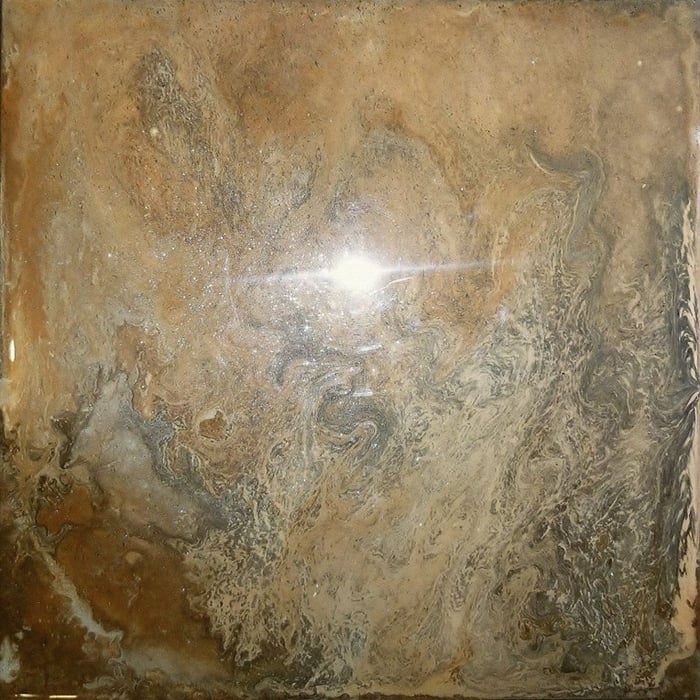
+5
From average costs to expert advice, get all the answers you need to get your job done.

Discover mosquito control service cost estimates, including average prices, key cost factors, and tips to save on professional mosquito treatments for your home.

If you’re moving, you need to consider distance, weight, packing, and more. Our guide provides the average cost to move a 3-bedroom house long distance.
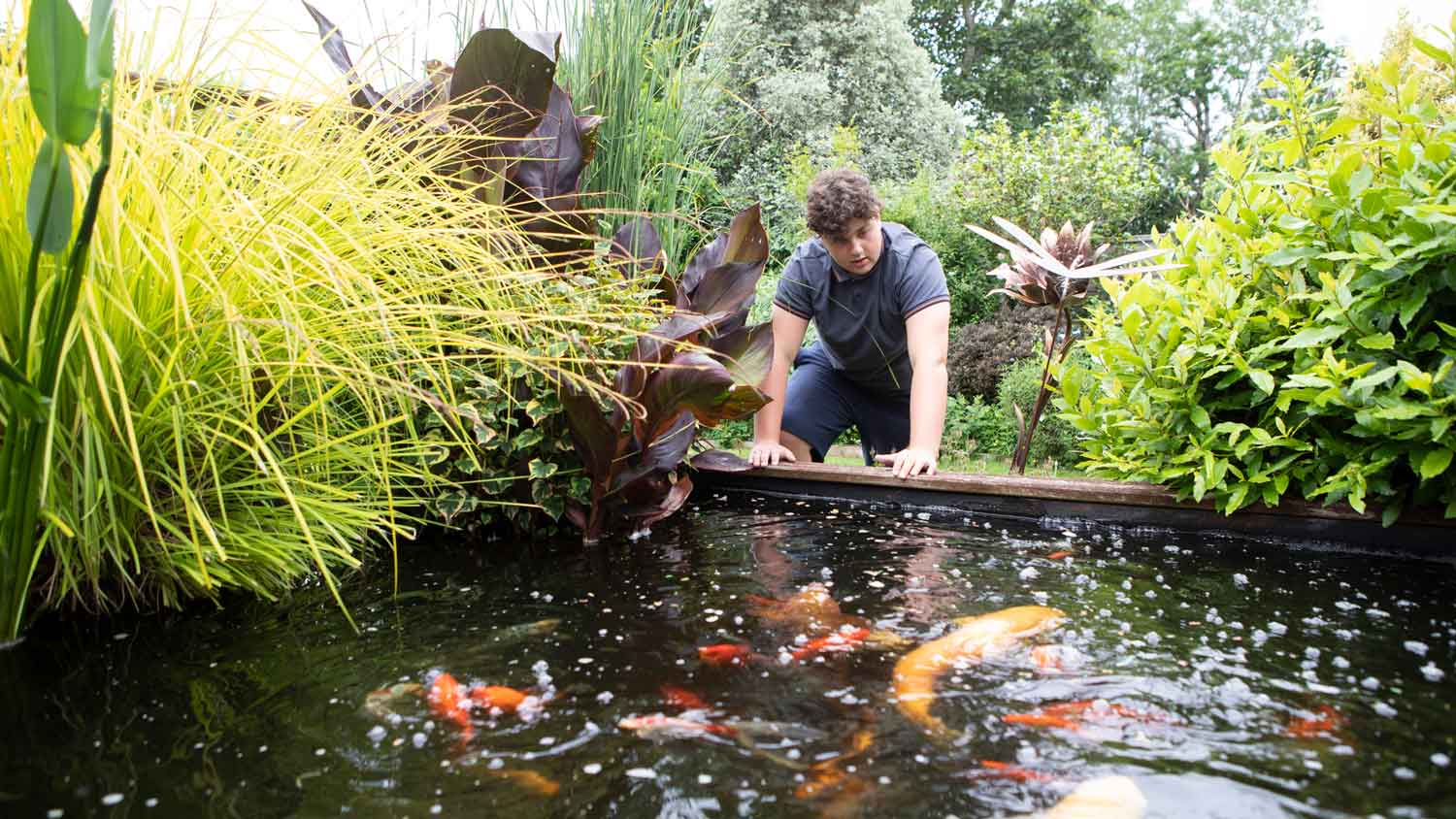
Discover how much it costs to stock a pond, including average prices, key cost factors, and tips to help homeowners plan their pond stocking project.
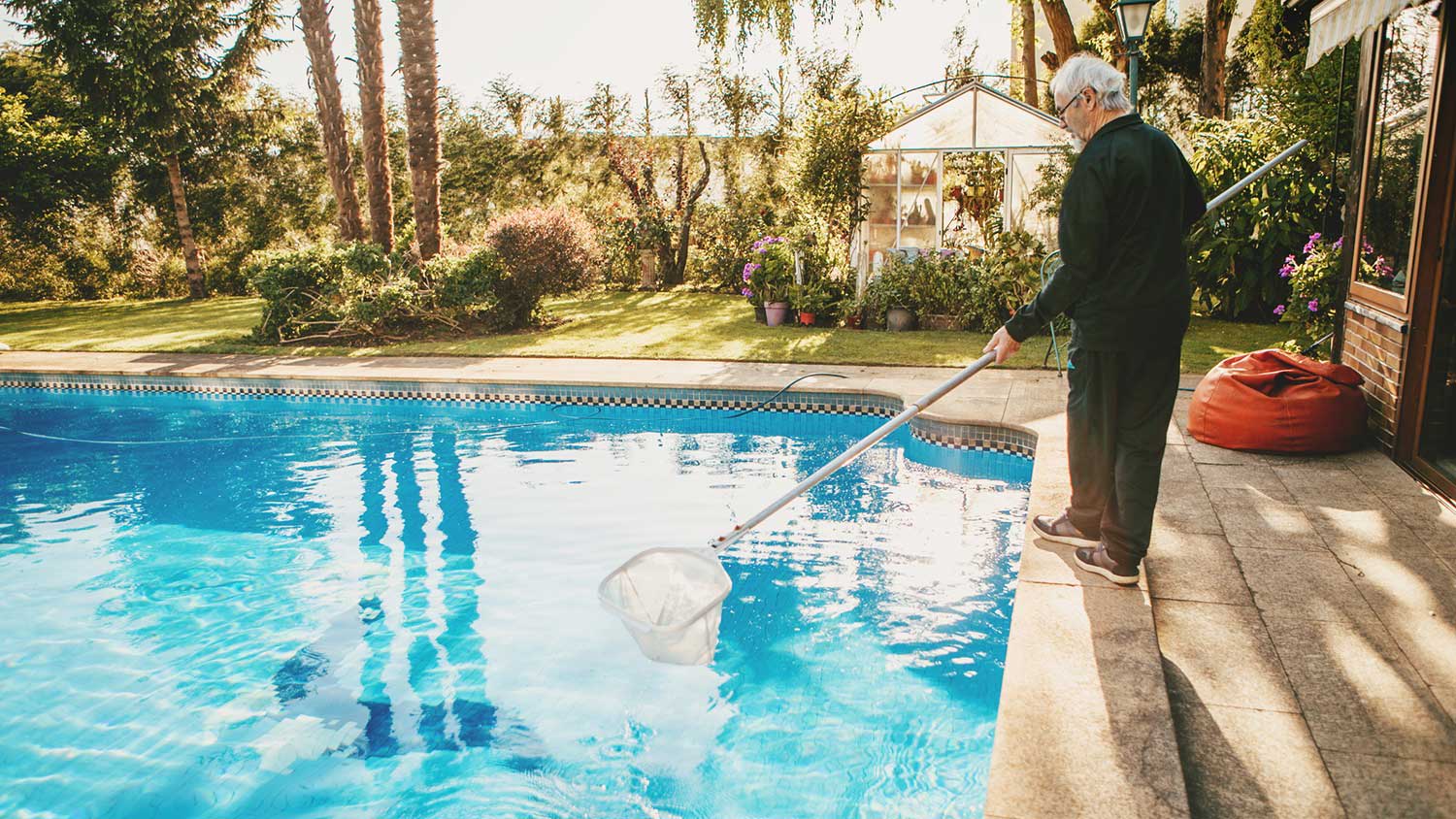
If you live in an area without very cold winters but tempted to close your pool during the cooler months, read on. We dive into the many benefits of winter service.
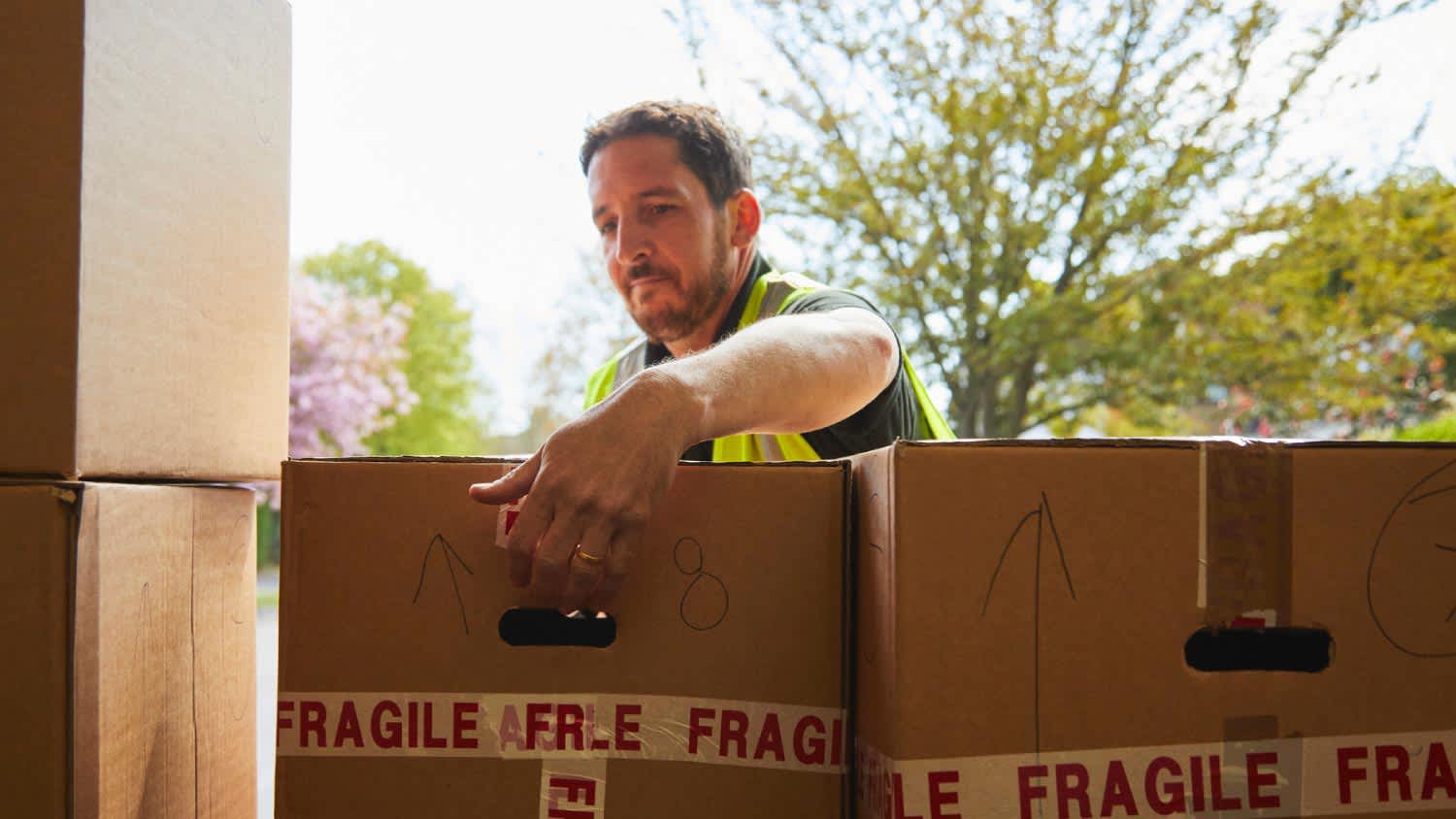
Learn about home items that are nearly impossible to move without movers, either because they are awkwardly shaped, too heavy, or require special equipment.
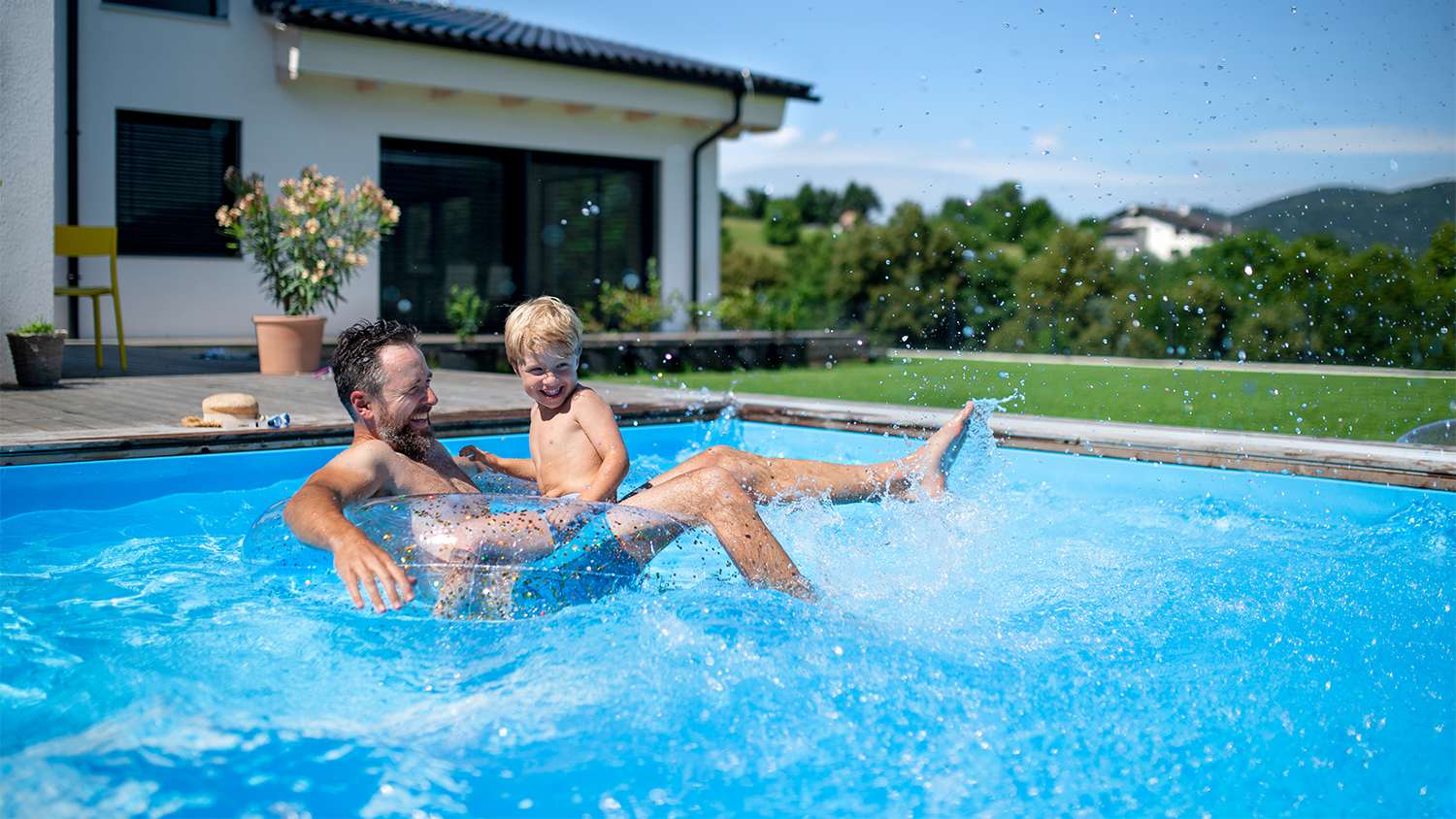
Find out who to hire for pool maintenance and cleaning. Learn pro options, what they do, and how to keep your water clear and safe.