



Kristopher Lee
Tree RemovalTree Stump - RemoveTree Trimming
Serving Sioux Rapids, IA and surrounding areas
Approved
Professional 2 man crew, with a truck and trailer. We offer debris removal,hauling, yard work, and other services just ask.

*The Angi rating for Arboricultural Service companies in Sioux Rapids, IA is a rating based on verified reviews from our community of homeowners who have used these pros to meet their Arboricultural Service needs.
*The HomeAdvisor rating for Arboricultural Service companies in Sioux Rapids, IA is a rating based on verified reviews from our community of homeowners who have used these pros to meet their Arboricultural Service needs.
Last update on October 24, 2026
Serving Sioux Rapids, IA and surrounding areas
Approved
Professional 2 man crew, with a truck and trailer. We offer debris removal,hauling, yard work, and other services just ask.
Serving Sioux Rapids, IA and surrounding areas
Approved
M&L Transport LLC provides professional and reliable junk removal services in Iowa. We specialize in furniture removal, appliance removal, garage cleanouts, and hauling unwanted items. With our 26-foot box truck, we offer fast, safe, and affordable service. Customer satisfaction is our priority.
Serving Sioux Rapids, IA and surrounding areas
In business since 2019
Free estimates
Credit card accepted
"He was quick and very good at his job. I was very happy with his work, and will definitely use him again"
Serving Sioux Rapids, IA and surrounding areas
In business since 2020
Free estimates
Emergency services offered
"They did an amazing job. They were very careful. they had to work around garages and highlines. The tree was hanging over the top of the garage. Was a very large tree. I would highly recommend they. Went above and beyond. I would give them a 10 star."
Serving Sioux Rapids, IA and surrounding areas
In business since 2006
Free estimates
Credit card accepted
"They came in when it was extremely wet in a difficult area and did a great job. They cleaned up after themselves."
Serving Sioux Rapids, IA and surrounding areas
In business since 2019
Free estimates
"He is very knowledgable, If he didnt have an answer he would always find one. Every time i call he comes out within a couple hours. He has been very helpful!"

Serving Sioux Rapids, IA and surrounding areas
In business since 2022
Free estimates
Small jobs welcome
"He is a very hard worker and definitely gets the job done."


Serving Sioux Rapids, IA and surrounding areas
In business since 2016
Free estimates
Welcome to C & S Tree Service! We take pride in the quality of work and customer satisfaction that we give each and every customer! We are known to pay exquisite attention to detail while making customer satisfaction our top priority. Call us today to learn more about how we can help you! \n \n
Serving Sioux Rapids, IA and surrounding areas
In business since 2016
Free estimates
Emergency services offered
"We had him take down 2 trees between the street and lakeshore and had a great experience so hired him to remove multiple trees at our farm grove too. He showed up when he said, kept us informed and respected our property . He did a great job with replanting trees for us too."

Serving Sioux Rapids, IA and surrounding areas
Free estimates
Emergency services offered
Small jobs welcome
Hello my name is matt and ill be helping you with your concerns.Love to problem solve and make customers happy.trustworthy and respectful in all situations and not afraid to tell ya if im not capable
From average costs to expert advice, get all the answers you need to get your job done.

How much does an arborist cost? This guide explains the cost of different services, ongoing expenses, and other factors to consider when hiring an arborist.

Discover the average tree maintenance cost, key price factors, and tips to save. Get expert insights to plan your tree care budget with confidence.

Tree inspections can ensure your trees stay healthy and safe, preventing costly damage. Learn how much tree inspections cost and what can affect the price.
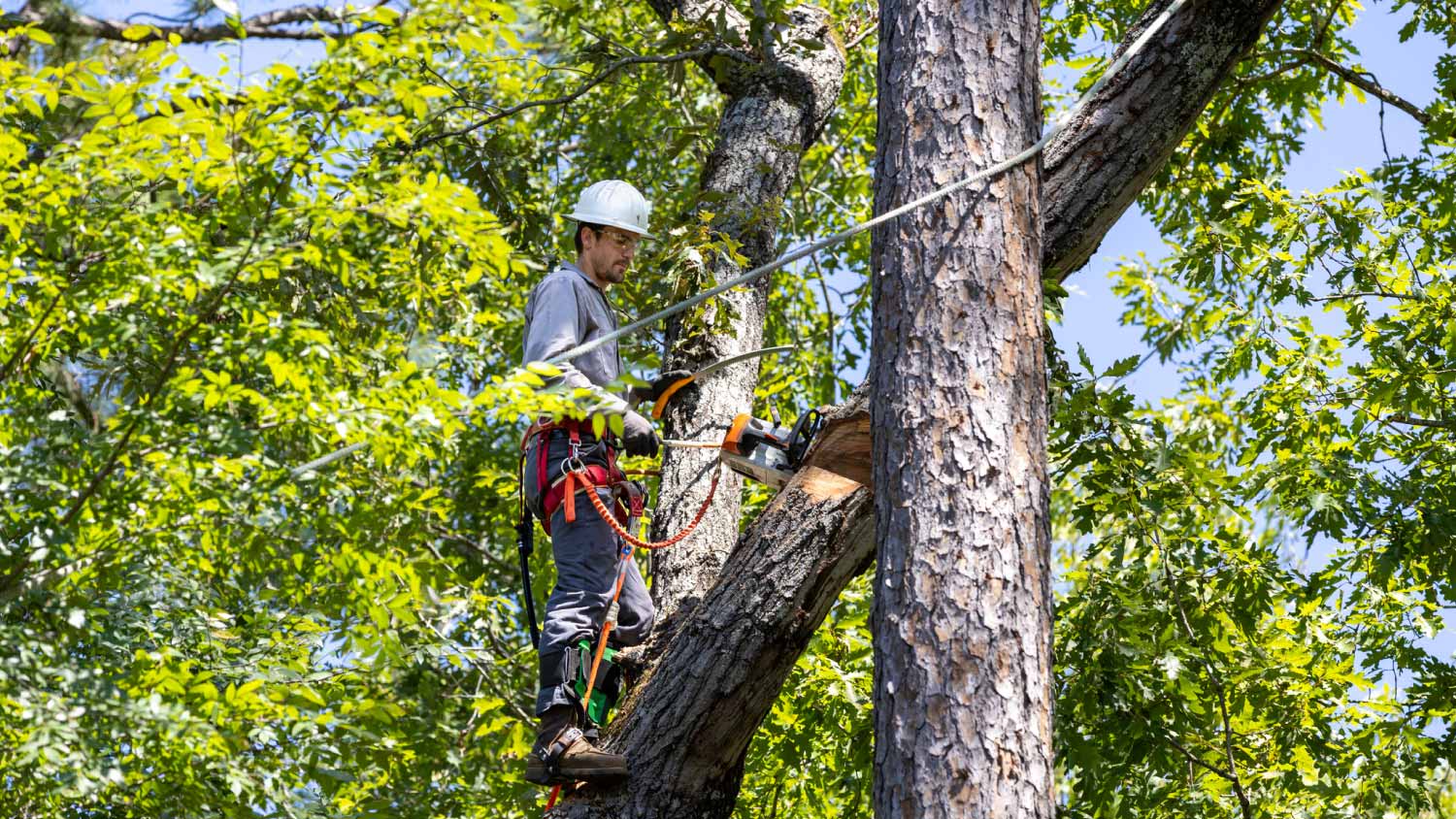
What is an arborist and do they cut down trees? Learn what an arborist is, the services they offer, and when to hire one.
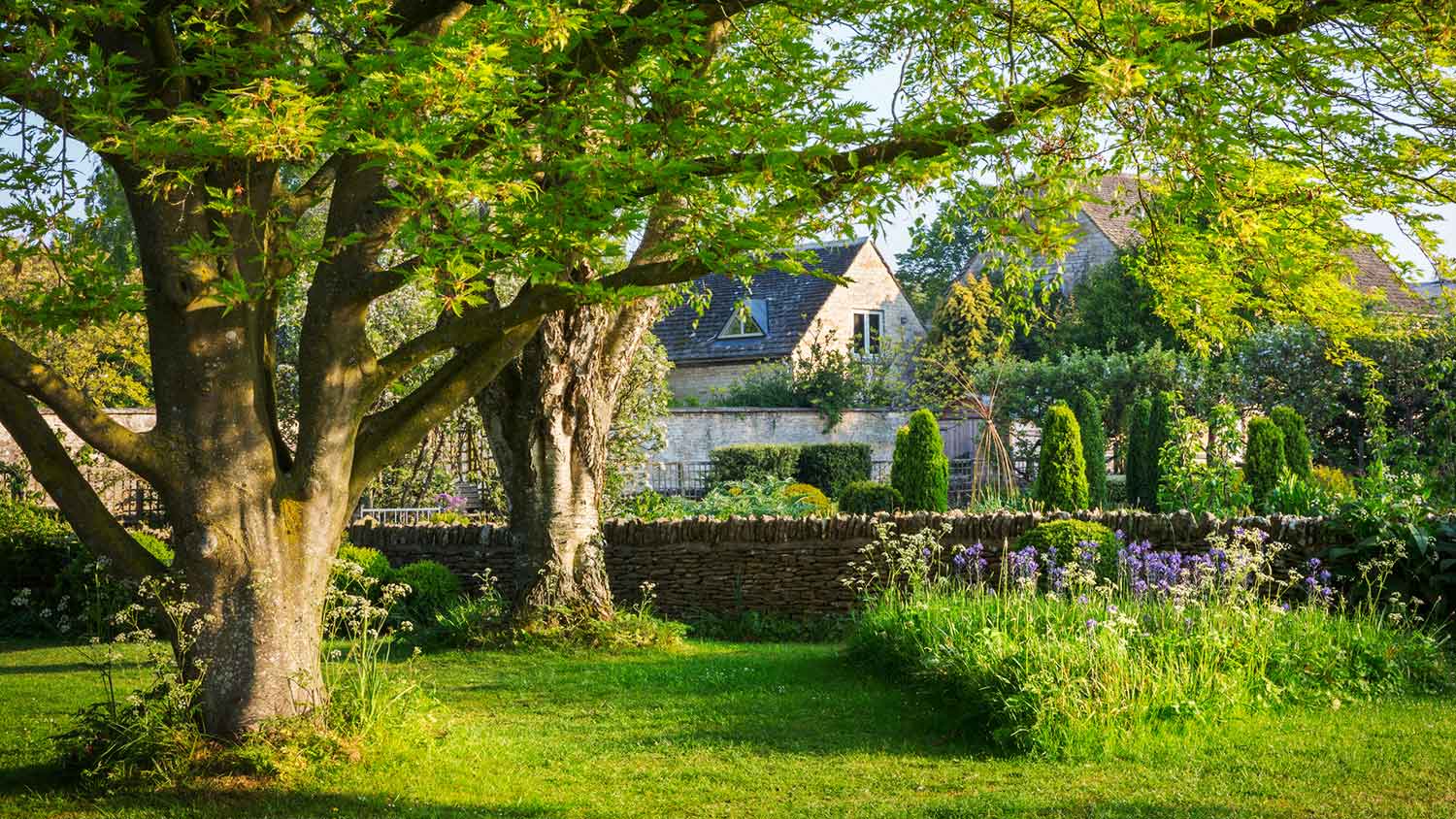
Arborists are specialized tree care experts. This guide will help you hire an arborist with all the qualifications to give your trees the best care possible.
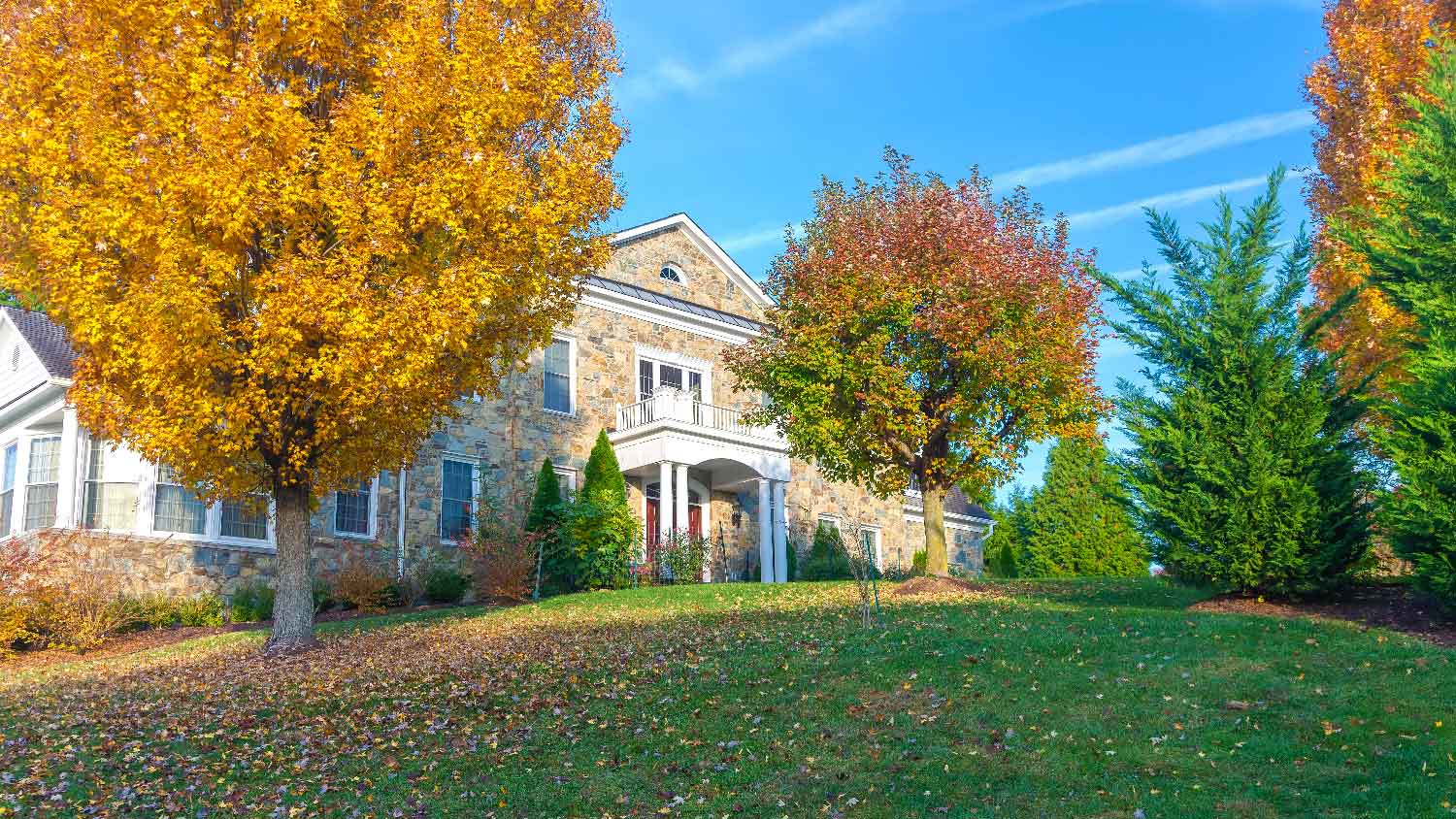
The upkeep and care for your trees should sometimes be left to a professional. Learn all the reasons why so you know when to call an arborist.