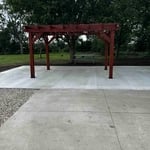
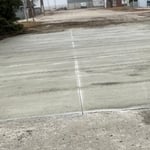
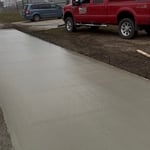
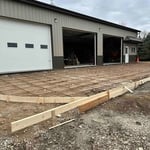
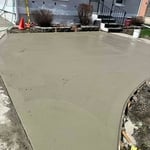
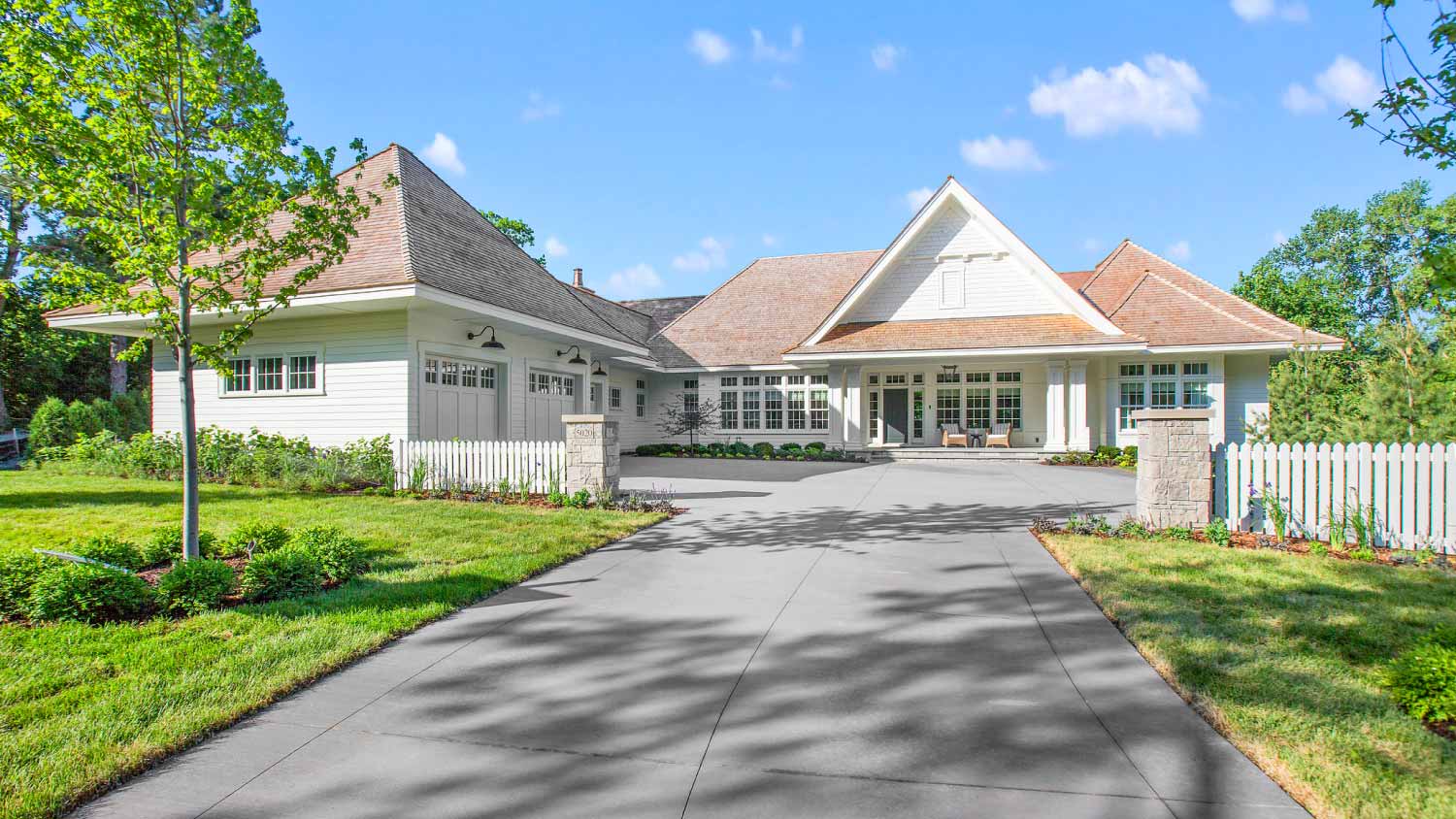
"The contractor did a great job! We are very pleased with our new driveway. They are experienced and are very dependable. We highly recommend R & J Concrete!"
We take great pride in our experience, expertise, quality and customer service that we provide to meet your needs. It is our mission to provide excellent workmanship and complete customer satisfaction from start to completion of a project. In order to understand the needs and expectations of our customers, we take great care to work and communicate with every customer a professional manner. Our reputation is based on service, safety and quality, regardless of how large or small the job.
Cedillo Concrete is committed to excellence in every aspect of our business. We uphold a standard of integrity bound by fairness, honesty, and personal responsibility. Our distinction is the quality of service we bring to our customers. Accurate knowledge of our trade combined with ability is what makes us true professionals. Above all, we are watchful of our customers' interests, and make their concerns the basis of our business.\n
We are a General contracting company. We perform all services involved in the completion of unfinished space. We do hire sub contractors when needed. We also stand by their work as well. Though we have only been in buisness for a short time. we have a combined 37 years construction experience.
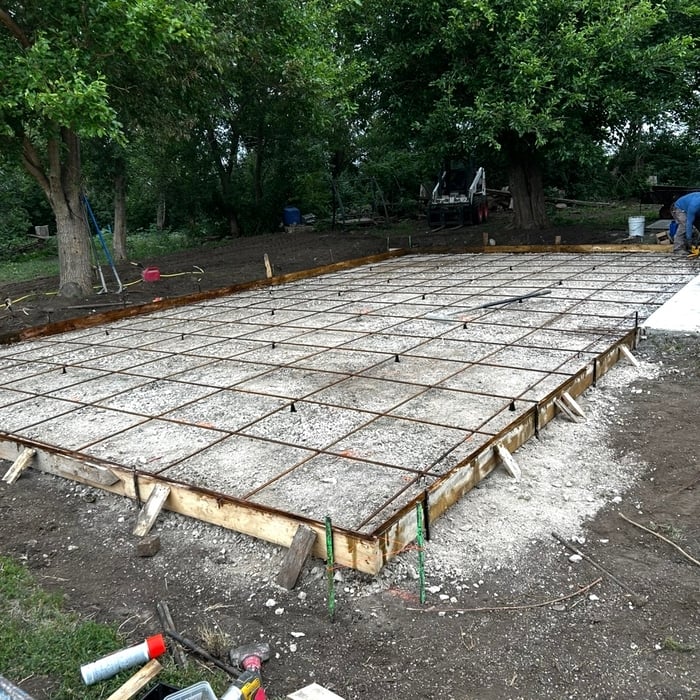
Slab Daddy LLC is a locally owned construction company specializing in quality concrete work, excavation, demolition, and general contracting. We take pride in doing the job right, providing dependable service, honest communication, and workmanship built to last.\nFrom driveways, sidewalks, patios, garage floors, foundations, footings, walls, and concrete removal to excavation and site preparation, we have the equipment and experience to handle projects big or small.\nAt Slab Daddy LLC, we treat every project like it has our name on it?because it does. Our goal is simple: quality work, fair pricing, and satisfied customers.\nContact Slab Daddy LLC for a free estimate and let us help bring your next project to life.
We pride ourselves on quality work and great customer service. We believe in going out of our way for our customers! We work very hard to make sure that all of our customers are pleased with the work we do! We believe that every job, no matter the size, deserves our full attention and should be done right!\n
Hello my name is matt and ill be helping you with your concerns.Love to problem solve and make customers happy.trustworthy and respectful in all situations and not afraid to tell ya if im not capable
Cutting round ductwork requires precision and the right tools. A duct cutter, specifically designed for circular ducts, is ideal. First, mark the cutting line on the duct using a measuring tape and pencil. Then, position the duct cutter's blade on the marked line. Apply steady pressure, rotating the cutter around the duct. The sharp blade creates a clean, precise cut. Alternatively, a reciprocating saw with a metal-cutting blade can be used for larger round ducts. Ensure the duct is securely held in place while making the cut to prevent slips and maintain accuracy.
Welders use a variety of methods in their trade. Different types of welding are better suited for different purposes and contexts. For example, stick welding is a versatile form suitable for most metals and alloys.
The most common types of welding include:
Stick welding: $100–$1,000
Metal Inert Gas (MIG) welding: $250 and up
Tungsten Inert Gas (TIG) welding: $250 and up
Gas welding: $150 and up
Forge welding: $15–$25 per hour
Choosing the right metal fabricator for your project begins with research. Find a reputable fabrication company by searching for reputable contractors in your area, and then reviewing photos of their previous work, customer reviews, and photos of the company’s workshop.
Once you’ve narrowed down the list, contact the companies to ask about the types of metal fabrication projects they specialize and inquire about guarantees and warranties on workmanship. You should also ensure the company uses high-quality material, and ask about the schedule and turnaround time for your proposed project.
Since water heaters are primarily made of metal, they’re commonly accepted by scrap yards and collectors. Don’t expect to fetch a high price, though—water heaters are mostly steel and aluminum, which aren’t high-value metals. Some components are made of more valuable metals, like brass and copper, but they’re a small portion of the heater and won’t affect the price much.
It will likely take an experienced pro less than an hour to install a ground rod, which is another reason why letting them handle the job is such a good idea. Safety concerns aside, it would likely take you much longer to install a ground rod if you decided to take this one as a DIY job.
The Sheldon, IA homeowners’ guide to concrete cutting services
From average costs to expert advice, get all the answers you need to get your job done.