






Top-rated bird control service pros.

Get matched with top bird control service pros in Sanborn, IA

Enter your zip and get matched with up to 5 pros

Need a pro for your bird control service project in Sanborn, IA?

Select your specific project to find the pro for you.

Find Bird control service pros in Sanborn

Bird Control questions, answered by experts

A treatment from a pest control service can last anywhere from 3 to 6 months, depending on the type of treatment, what pest it’s treating, and what environment you live in. This is why pest control service companies often offer packages where they come out multiple times a year to apply treatment to the outside or inside of your home.

Identifying the specific animal running on your roof at night can be challenging without direct observation. Common nocturnal roof visitors include raccoons, squirrels, opossums, and rats. Raccoons are bigger and can create heavy thumping sounds. Squirrels are agile and may produce rapid scurrying noises. Opossums tend to move stealthily with less noise. Rats can make scratching or gnawing sounds. To determine the culprit, look for signs like footprints, droppings, or damaged areas near the roof. For accurate identification, consult a pest control professional or set up wildlife cameras near potential entry points.

Yes, bats can cause quite a bit of damage to the attic. Their weight and movement from flying around can damage insulation, and they can chew through wiring and the walls. As if this isn’t enough, they leave their droppings throughout, which carry harmful bacteria and is dangerous for humans to breathe in, not to mention the extremely foul-smelling odor.

An owl's worst enemy in the wild is often other raptors and environmental factors. Among the avian threats, larger owls or other birds of prey can pose a danger, engaging in territorial disputes or competing for food resources. Terrestrial predators like foxes, raccoons, and larger mammals may target owl nests or young fledglings. Environmental factors like severe weather conditions, habitat loss, and food availability changes can also significantly impact owl populations.

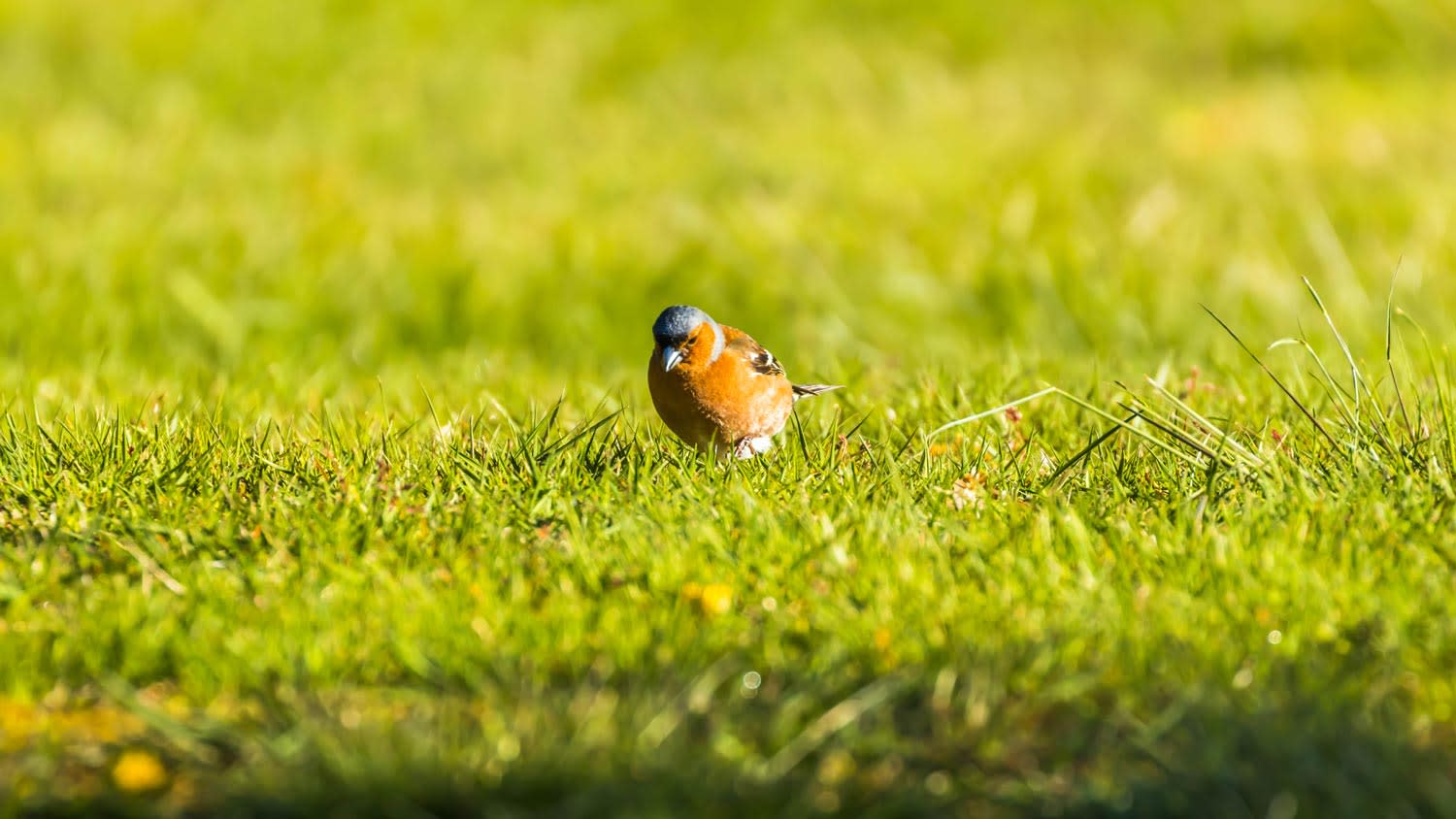
Birds eat grass seed for one simple reason—it’s delicious! The seeds are rich in nutrients such as carbohydrates, proteins, and fats. Seeds are also high in energy, so humans eat trail mix loaded with seeds and nuts for long-distance activities. Grass seed, when unprotected, is also exceptionally easy to access.

The Sanborn, IA homeowners’ guide to bird control services

From average costs to expert advice, get all the answers you need to get your job done.