





Top-rated deck staining pros.

Get matched with top deck staining pros in Saint Charles, IA

Enter your zip and get matched with up to 5 pros

Need a pro for your deck staining project in Saint Charles, IA?

Select your specific project to find the pro for you.

TRUSTED BY SAINT CHARLES, IA HOMEOWNERS

  • Average homeowner rating star icon4
    Average homeowner rating
  • Verified reviews icon14
    Verified deck staining services reviews

Find Deck staining pros in Saint Charles

Do it All Davis Construction
4.8(
6
)
Exterior Home or Structure - Paint or StainExterior Home or Structure - Paint or Stain: LargeExterior Home or Structure - Paint or Stain: Medium

Serving Saint Charles, IA and surrounding areas

In business since 2024

Free estimates

Emergency services offered

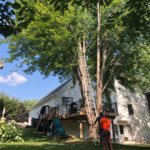
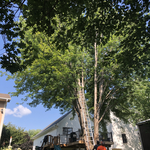
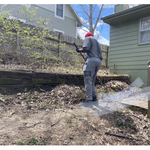
"We have used Josh Davis service twice. (1) For power washing and weather painting our wooden deck (2) Clean up landscape and cut an unwanted tree near exterior wall. Josh was very professional and suggested the correct cleaning and painting option for the deck. On both the jobs, he was very reasonably priced and the job was really well done. He responded promptly and finished the job on scheduled time. I would definitely hire him again."
Recommended by83%of homeowners
Showing 1-10 of 37
Deck Staining questions, answered by experts

Applying a sealer or topcoat after staining wood is highly recommended, though not always strictly required. A sealer protects the wood from moisture, UV rays, and weather-related issues, which is especially important for outdoor surfaces like decks and fences. It also enhances the stain's durability, prevents fading over time, and gives the wood a cleaner, more professional-looking finish. For some indoor applications, a sealer may not be necessary, depending on the type of stain used and the level of protection needed. It's always best to check the stain manufacturer's recommendations and consider the wood's intended use and exposure when deciding whether to apply a sealer.

It is not always necessary to remove old stain before restaining a deck. If the previous stain is in good condition and is compatible with the new stain, you may be able to apply a new coat after thorough cleaning. However, if the old stain is in bad condition, flaking, or peeling, it is best to remove it completely to ensure an even surface and proper adhesion for the new coat. Staining over a damaged layer can lead to an uneven finish and poor penetration. For best results, test a small area first and consult the stain manufacturer's guidelines.

No, you don't need to stain Ipe decking, although you can if you want to change the color. You will, however, need to apply a UV coating if you don't want the natural color to fade. Speak to a deck staining specialist near you to discuss the best options if you want to stain your decking. And remember that you’ll need to seal your Ipe wood deck annually to protect it from scratches and Mother Nature.

Wood stains last anywhere from two to five years, depending on exposure to the elements, your local climate, the type of stain, and the surface it’s on. For instance, vertical surfaces last longer than horizontal surfaces. Some types of woods, like dense hardwoods, will require a recoat yearly, as they are too dense for the stain to absorb. In any event, apply a recoat every 2 to 4 years. As for storage, a can of unopened stain can last up to 5 years, though results may vary.

In most cases, sanding an old deck before staining it is necessary to achieve a decent finish. If your old deck has a relatively new stain finish on it and you're only doing touch-ups, you can generally skip the sanding part. However, if your goal is to make the deck look and function better, sanding first is a must. 

The Saint Charles, IA homeowners’ guide to deck staining services

From average costs to expert advice, get all the answers you need to get your job done.