







Top-rated landscapers.

Best landscapers near Springville, IA

Enter your zip and get matched with up to 5 pros

Need a pro for your landscaping project in Springville, IA?

Select your specific project to find the pro for you.

TRUSTED BY SPRINGVILLE, IA HOMEOWNERS

  • Average homeowner rating star icon4.2
    Average homeowner rating
  • Verified reviews icon84
    Verified landscaping services reviews

Top-Rated Landscapers in Springville - Updated Nov 2026

...
Showing 1-10 of 146
Landscaping FAQs, answered by experts

In most cases, buying plants from a local greenhouse or nursery is well worth the investment, even though they tend to be a bit more expensive than those at a home improvement store. Employees at nurseries are usually well-versed in gardening and understand how the climate in your area affects different plants. They can help you make selections based on your skill level and time commitment to your landscaping, and they can provide detailed care instructions and advice to help keep your plants alive and diagnose and treat issues like pest infestation and illness.

Yes, you can landscape in the rain, but you should take some precautions to keep yourself and your tools safe. Avoid using electric landscaping tools during rainfall, and don’t mow, thatch, aerate, or rake in the rain, as your tools can more easily tear out roots in the loose soil. Be careful when working on wet grass, and take your time to avoid slipping. Avoid putting in new plants before a particularly bad storm, as heavy rain and strong winds can damage or uproot plants that aren’t yet established.

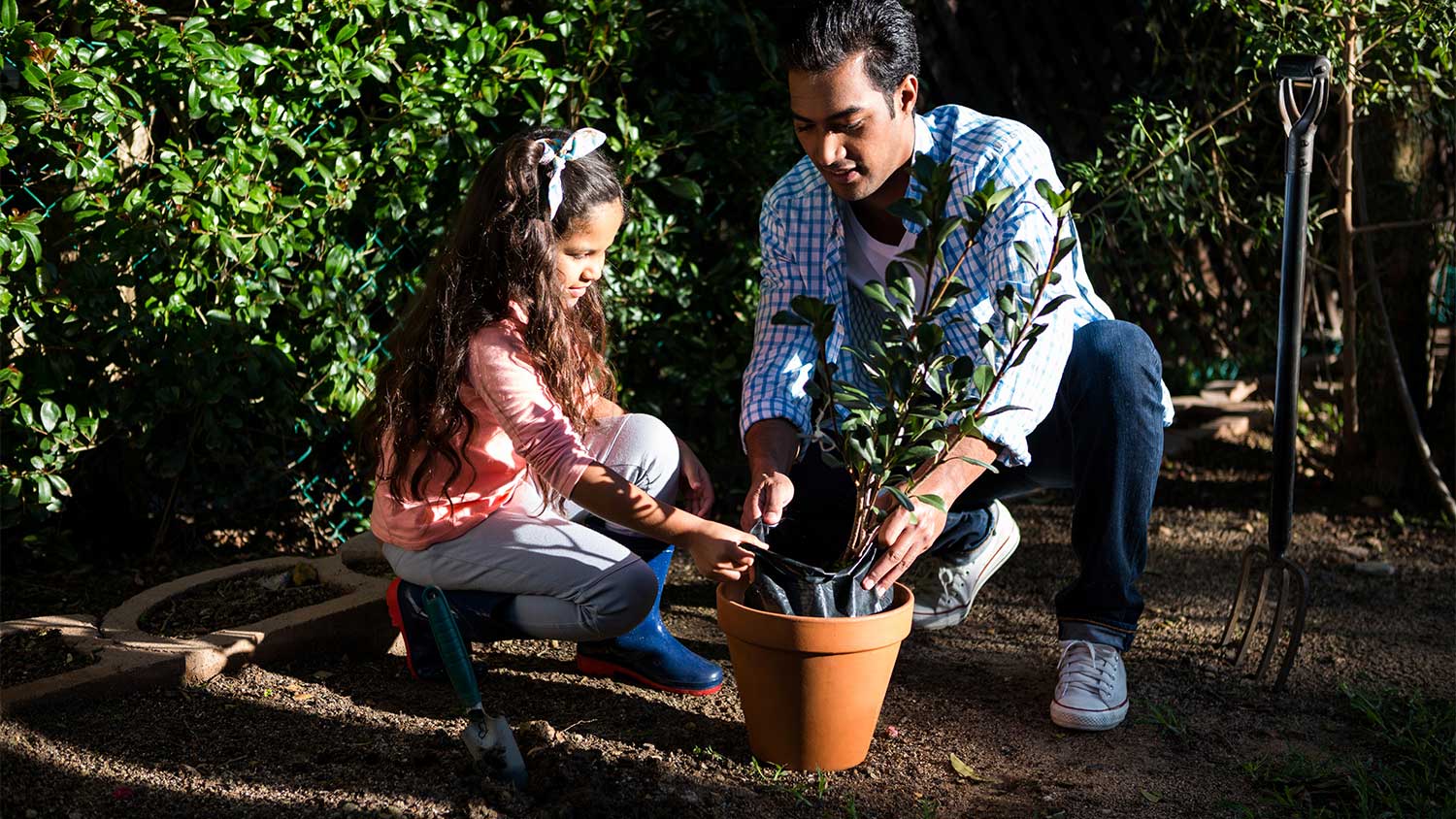
Multiple rules of thumb exist when discussing tree planting. When planting a tree, the best rule of thumb is to provide it with everything it needs to survive and thrive in its new environment. That may mean learning about the type of tree you're planting and studying the best methods of taking care of it before purchasing and planting. 

While you can leave roots in the ground, if you don’t want the shrub to regrow again over time, it’s best not to leave any roots behind. Ensure you remove as much of the shrub as possible, including the root ball and any main roots you can see, to prevent new growth. Some gardeners opt for using a chemical treatment to prevent the stump from growing back, but this can kill beneficial microorganisms living in your soil.

You can fill the holes weeds leave behind with soil or sand to avoid unsightly spots or tripping hazards. If you remove weeds from a grassy area, fill the hole with soil and grass seed, and water regularly to promote grass growth.

The Springville, IA homeowners’ guide to landscaping services

From average costs to expert advice, get all the answers you need to get your job done.