
Top-rated concrete leveling pros.

Best concrete leveling pros near Lansing, IA

Enter your zip and get matched with up to 5 pros

Need a pro for your concrete leveling project in Lansing, IA?

Select your specific project to find the pro for you.

Top-Rated Concrete leveling pros in Lansing - Updated Nov 2026

Avatar for American Waterworks
American Waterworks
4.5(
173
)
Concrete - Injection Leveling - MudjackingConcrete - Injection Leveling - Mudjacking - For Business

Serving Lansing, IA and surrounding areas

Approved

In business since 1989

Free estimates

Warranties offered

"They did great. The entire surface was level and free from tripping hazards. It is important to have them seal the cracks because there will be water from snow melt and the concrete will move. This will get you the 5 yr warrantee just in case."
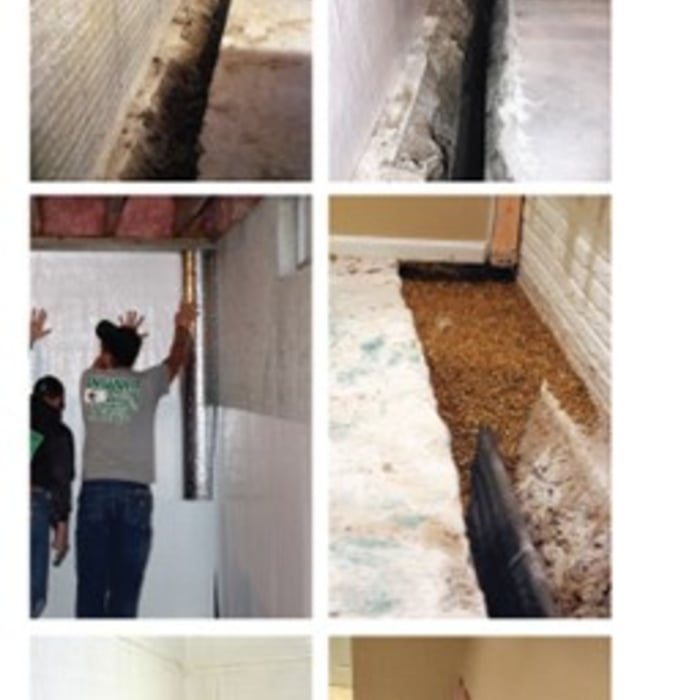
Another Sinking Floor
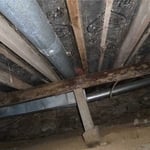
Dirt Crawlspace in Elk Mound, WI
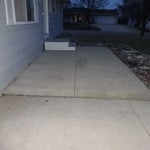
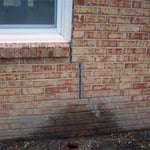
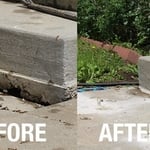
Concrete stoop had sunk over 6 inches
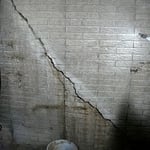
Foundation Failure Signs
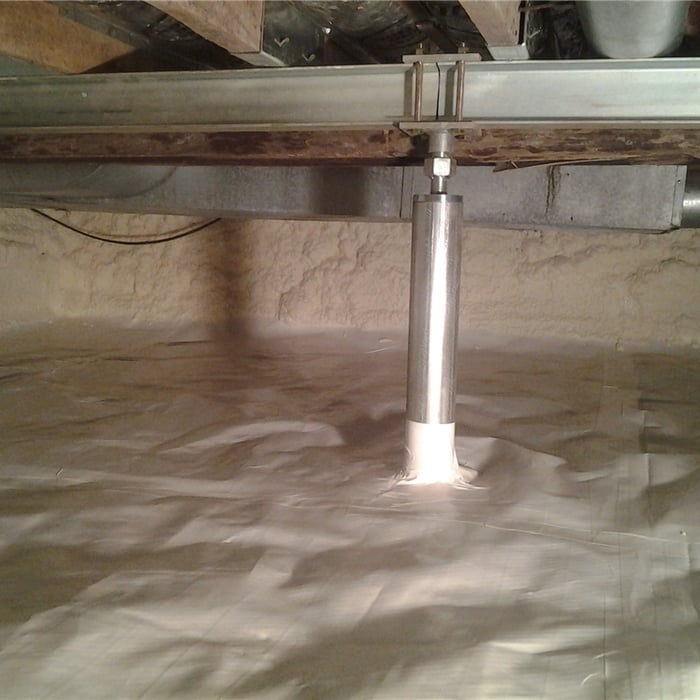
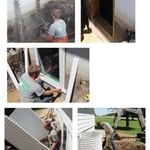
Increased Efficiency of Crawlspace in Elk Mound

+156

Response time4 hrs
438 neighbors recently requested a quote
Recommended by91%of homeowners
Avatar for ANCHORED WALLS
ANCHORED WALLS
4.7(
19
)
Concrete - Injection Leveling - MudjackingConcrete - Injection Leveling - Mudjacking - For Business

Serving Lansing, IA and surrounding areas

In business since 1978

Credit card accepted

"They raised the corner of our foundation and installed 7 push piers to prevent further settlement. This was a very stressful experience for a couple of senior citizens, but the excellent, conscientious workers explained everything they were going to do before doing it. They did everything they said they would do, and they satisfied my husband which is an accomplishment!"
Additional Photos
Additional Photos
Additional Photos
Additional Photos
Additional Photos

+2

Recommended by87%of homeowners
Concrete Leveling FAQs, answered by experts

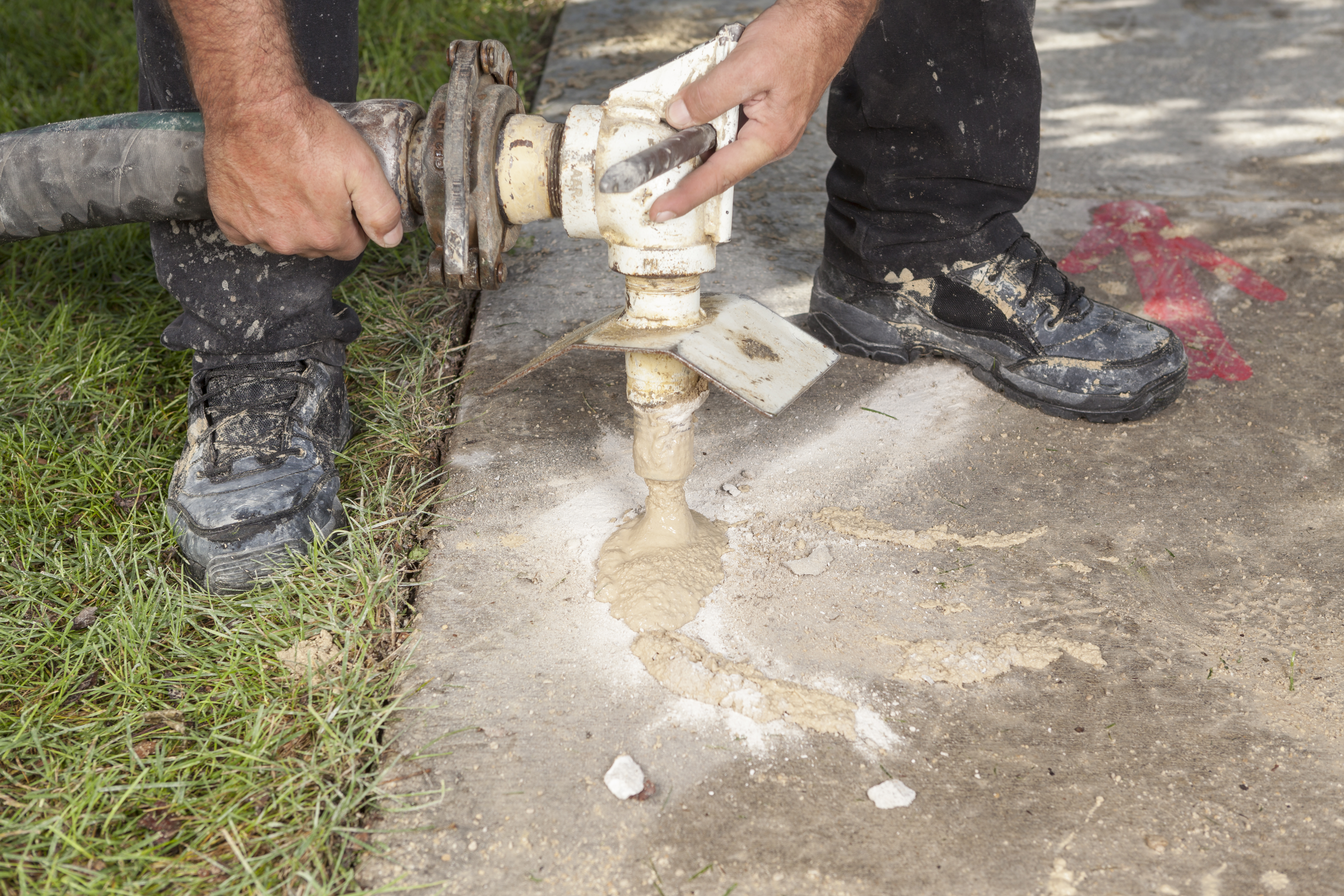
Mudjacking typically takes 24 to 72 hours (one to three days) to dry and cure completely before you can resume normal use. The total drying time can vary depending on the size of the project. Because the slurry mixture contains cement, it needs to harden fully to prevent the concrete slab from shifting under added weight. You should avoid walking on the concrete or placing heavy items like furniture or vehicles on the surface until it has fully set. Your concrete contractor can provide a precise timeline. As a point of comparison, if you opt for polyjacking, the polyurethane foam can dry in minutes, but it's recommended to wait about an hour before use.

Mudjacking is usually reserved for light-duty slabs, like patios, driveways, and sidewalks. However, it can be an effective way to lift garage slabs and concrete around the perimeter of the home, which could harm your foundation if it’s not done properly. The risk of damage is why having a professional mudjacking company carry out the work is important. This type of slab or foundation repair is relatively inexpensive, especially if you consider that a DIY job requires that you pay to rent the necessary equipment.

A sinking foundation can be lifted, most often by installing piers to re-level and support the weight of the house. Depending on the cause and extent of the sinking, other methods to lift a foundation include underpinning and mudjacking. Consult a foundation repair pro to determine the best way to lift your sinking foundation. 

Most states and municipalities don’t require concrete mudjacking companies to carry a specific license, but they usually need to have a general contractor’s license, and they should be fully insured. The only exception is if the mudjacking company provides foundation repairs as well, or if it offers mudjacking for home foundations. In that case, they will typically need a foundation repair contractor’s license. You can check state requirements and then use Angi’s license lookup tool to confirm that a company is properly licensed to provide mudjacking services in your area.

Polyjacking and mudjacking can both be effective solutions for sinking concrete, but they have key differences. Polyjacking, which uses expanding polyurethane foam, is often considered a better option because the foam is significantly lighter than the cementitious material used for mudjacking. This reduced weight puts less pressure on the underlying soil and lowers the risk of future sinking. Polyjacking is suitable for any sinking concrete slab, while mudjacking is typically only recommended for non-structural concrete, such as sidewalks, patios, pool decks, and driveways. The primary drawback of polyjacking is its cost, which can be up to four times higher than mudjacking—as much as $25 per square foot compared to a maximum of about $6 per square foot for mudjacking.

The Lansing, IA homeowners’ guide to concrete leveling services

From average costs to expert advice, get all the answers you need to get your job done.