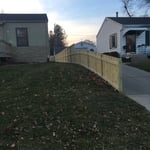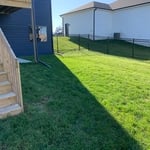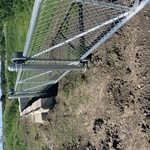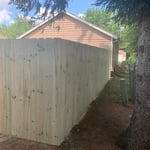


Top-rated fencing pros.

Best fencing pros near Knoxville, IA

Enter your zip and get matched with up to 5 pros

Need a pro for your fencing service project in Knoxville, IA?

Select your specific project to find the pro for you.

Top-Rated Fencing pros in Knoxville - Updated Nov 2026

Avatar for Bos Fencing LLC
Bos Fencing LLC
5.0(
6
)
Vinyl or PVC Fence - InstallBarbed Wire Fence - InstallBarbed Wire Fence - Repair+7 more

Serving Knoxville, IA and surrounding areas

In business since 2017

Free estimates

Offers commercial services

"Travis is very thorough and informative on every aspect of our fence replacement. It is really nice to work with a company that is super transparent about the work that they do. You can also tell that they take a lot of pride in the work that they do! Highly recommend Travis for all of your fence needs!"
Additional Photos
Additional Photos
Additional Photos
Additional Photos
Additional Photos

+3

1 neighbors recently requested a quote

Avatar for Zeiss construction
Zeiss construction
4.5(
23
)
Wood Fence - Install

Serving Knoxville, IA and surrounding areas

In business since 2021

Credit card accepted

Offers commercial services

"Joshua and his crew are hard working honest workers, he listened to my concerns and expectations and met or surpassed them. Very happy to hire him and his crew would recommend them for any decking or siding job or any general handyman jobs."
West
West.
West.
West
West

+83

Response time11 hrs
Response rate97%
Recommended by85%of homeowners
...
Showing 1-10 of 60
Fencing FAQs, answered by experts

A silt fence should be buried in a trench that is 6 to 12 inches deep. A depth of at least 6 to 8 inches is necessary to prevent water and sediment from running underneath the fence. A deeper trench, up to 12 inches, provides better anchoring during wet and windy weather. To ensure proper installation, look for a red line on the silt fence fabric, which often indicates the correct burial depth. Always adhere to local guidelines and regulations; a professional contractor will be familiar with these requirements.

How long a fence lasts, including a split rail fence, will depend on the material from which it’s made. The average lifespan of a wood fence is about 15 to 20 years. However, split rail fences made out of premium materials, like composite, vinyl, steel, or aluminum, can last for 25 to 30 years or more, especially if you take good care of the material and carry out necessary maintenance.

The best wood for a farm fence is pressure-treated wood that will stand up to various weather conditions, animal contact, and moisture. Farm fences need to resist rot and damage, so choose a species such as cedar or redwood. The natural oils in these woods give them decay resistance, which also makes them ideal for other fence types, such as a wooden snow fence.

There are many types of wood fencing that you can choose from. For split rail fencing, the most common wood types are cedar, pine, black locust, and chestnut. The best wood for you will depend on if you like the way a certain wood looks and the availability of the wood type in your area.

Most of the wood types you can find at your local home improvement store are good choices since they all have rot-resistant properties or are pressure-treated with pesticides. If none of the wood options speak to the look you’re going for, check out vinyl fencing.

Do you need a permit to build a fence if you are simply replacing an existing fence? Whether you need a permit in this case depends on your local laws and regulations. Most municipalities consider a fence replacement project as being equal to building a new fence, so you likely will need a permit. Check with your local building inspection department or zoning department to see if you need a permit. If you hire a local fence contractor, this pro can take care of obtaining all permits for you.

The Knoxville, IA homeowners’ guide to fencing services

From average costs to expert advice, get all the answers you need to get your job done.