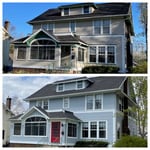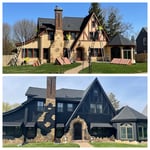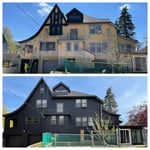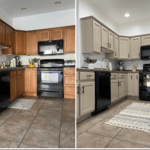



Top-rated painters.

Get matched with top painters in Jesup, IA

Enter your zip and get matched with up to 5 pros

Need a pro for your painting project in Jesup, IA?

Select your specific project to find the pro for you.

TRUSTED BY JESUP, IA HOMEOWNERS

  • Average homeowner rating star icon4.7
    Average homeowner rating
  • Verified reviews icon12
    Verified painting services reviews

Find Painters in Jesup

Residential Renovaters
New to Angi
Painting or Staining - Small ProjectsPainting or Staining - Small Projects - For Business

Serving Jesup, IA and surrounding areas

Approved

Emergency services offered

Warranties offered

Small jobs welcome

"Residential Renovators is a dedicated team of insured professionals providing high-quality home transformations. We specialize in stunning epoxy flooring, full custom remodels, licensed electrical work, and precision-fit window and door installations. We handle every project with professional care, clear communication, and impeccable results. Choose us for superior skill across multiple trades—from a complete kitchen redesign to a durable garage floor. We provide reliable service and beautiful craftsmanship. Contact Residential Renovators today for a free estimate."

3 neighbors recently requested a quote
...
Showing 1-10 of 106
Painting questions, answered by experts

While the answer varies based on weather, 10 a.m. is a good time to start painting. The dew will have dried, meaning there’s no moisture on the house, and the temperature will likely be moderate and the sunlight less direct. Starting mid-morning should also give you enough daylight and pleasant weather to work on the job for several hours.

There’s no single paint that’s the most waterproof. Instead, there are several types of waterproof and water-resistant paints that suit different purposes. Epoxy paint, for instance, is commonly used to provide a waterproof coating to floors and decks. Masonry paint is an excellent choice for exterior walls. Meanwhile, there are waterproof acrylic paints that can be used for interior and exterior walls. It’s more about choosing the best type for what you’re painting instead of the most waterproof paint overall.

Limewash and whitewash are two techniques used to give brick a light, matte finish, but they differ in composition, application, and permanence. The best choice depends on your aesthetic goals and the specific surface.

Composition

  • Limewash: A natural and environmentally friendly option made from limestone, water, and sometimes pigments. It is breathable and soaks into porous surfaces like brick.

  • Whitewash: Traditionally made from lime, water, chalk, and binders, but a similar look can be achieved with watered-down white paint. It is paint-based and sits on top of the surface.

Appearance and Finish

  • Limewash: Provides a natural, textured appearance that allows the brick's character to show through. It offers a more traditional finish.

  • Whitewash: Creates a softer, more opaque finish, often used for a rustic or shabby-chic style.

Application and Permanence

  • Limewash: Is semi-permanent and can be removed, making it a good choice if you might want to change the look in the future. It requires more skill to apply and cannot be used on previously painted brick.

  • Whitewash: Is a more permanent solution. It is more forgiving to apply and can be used on painted brick. However, because it sits on the surface, it can trap moisture.

Ultimately, if you want a breathable, natural, and reversible finish for unpainted brick, limewash is a great option. If you need a more permanent, opaque coating that can be applied over painted surfaces, whitewash is the better choice. Whitewashing may also be more economical, costing approximately $1.40 to $4.20 per square foot.

Staining or sealing a cedar deck or fence is highly recommended to extend its lifespan and protect it from the elements. While cedar is naturally resistant to mold and mildew, it is not impervious to damage from moisture, sun exposure, splintering, fading, and rot over time. Applying a protective finish creates a shield that preserves the wood's strength and appearance, potentially extending its life by five to 10 years.

When choosing a finish, it's helpful to understand the difference between a sealer and a stain. A sealer sits on top of the wood, whereas a combination stain and sealer soaks into the top layer. Because it penetrates the wood, a stain generally offers better protection against UV damage and rot and lasts significantly longer. For the best results that also preserve the wood's natural color, consider using a near-translucent stain.

To maintain protection, plan on reapplying the stain or sealer every two to three years, either as a DIY project or by hiring a professional.

For the longest-lasting exterior paint, consider acrylic or enamel (oil-based) paints. Acrylic paints, including acrylic latex and acrylic enamel, are known for withstanding harsh weather and sun exposure. Enamel-based paints are also one of the most durable options available. While latex paint is common, it typically has a shorter lifespan than acrylic or oil-based options. The paint's finish also affects its durability; a higher gloss finish is generally more durable. For resistance to moisture and cracking, matte and satin finishes can be effective, while a high-gloss acrylic or oil-based paint offers a combination of maximum longevity and durability.

The Jesup, IA homeowners’ guide to painting services

From average costs to expert advice, get all the answers you need to get your job done.