



Top-rated asbestos removal specialists.

Get matched with top asbestos removal specialists in Hazleton, IA

Enter your zip and get matched with up to 5 pros

Need a pro for your asbestos abatement project in Hazleton, IA?

Select your specific project to find the pro for you.

Find Asbestos removal specialists in Hazleton

Asbestos Removal questions, answered by experts

When asbestos damages the lungs it causes a condition called “asbestosis” which, unfortunately, can’t be cured once it’s damaged the lungs. This condition is chronic and any treatment is undertaken to improve quality of life. This usually involves quitting smoking, being prescribed oxygen, and undergoing lung rehab. Severe cases usually require a lung transplant.

Asbestos encapsulation is an alternative to asbestos abatement or removal. Suppose you have hired an asbestos testing service and they recommend encapsulation. In that case, they will cover the asbestos with a protective barrier or put it in a sealed enclosure so the fibers cannot escape. Encapsulation usually costs between $2 and $6 per square foot.

According to the Environmental Protection Agency (EPA), hazardous waste is generally classified into four main categories:

1. Characteristic Wastes: These exhibit at least one of four hazardous traits: ignitability (flammable, like gasoline), corrosivity (can rust or decompose materials, like car batteries), reactivity (unstable and can explode, like aerosol cans), or toxicity (harmful when ingested, like lead-based paint).

2. Listed Wastes: These are specific wastes from manufacturing and industrial processes that the EPA has officially designated as hazardous. They include byproducts from processes that use solvents, pesticides, and other chemicals.

3. Universal Wastes: These are commonly generated hazardous items that are subject to streamlined regulations. Examples include batteries, pesticides, mercury-containing equipment (e.g., bulbs), and some lamps.

4. Mixed Wastes: This category includes waste that contains both hazardous and radioactive components, making it subject to regulation by both the EPA and the Nuclear Regulatory Commission.

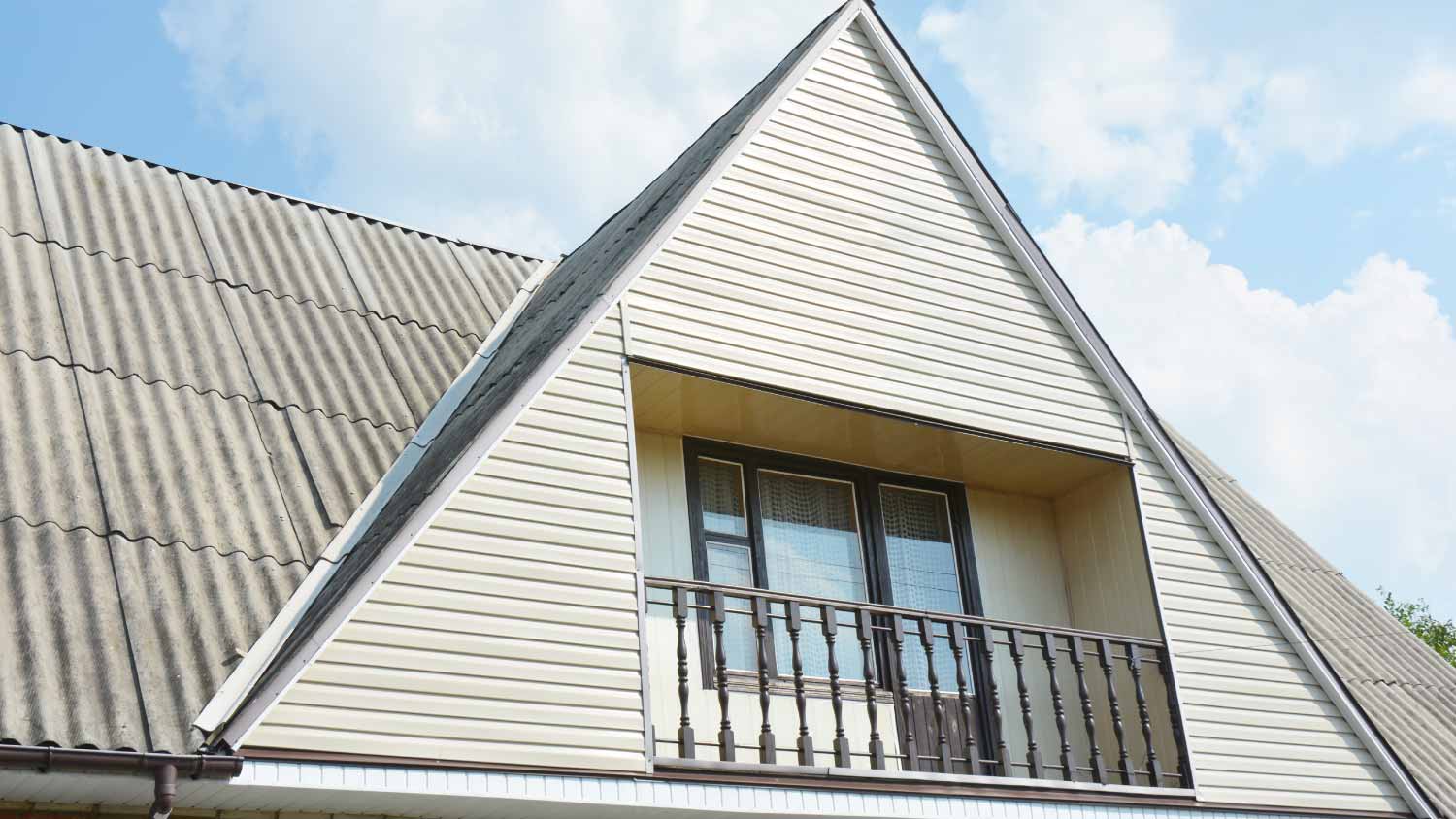
Since the EPA partially banned asbestos in 1989, it is no longer used to manufacture new siding in the United States; production had largely ceased by the early 1980s. Many other countries, such as Canada, Iceland, and Denmark, also have bans on asbestos. However, asbestos siding is still present in many homes built before the late 1980s. The only definitive way to know if your siding contains asbestos is to have it professionally lab-tested.

If the tiles are undamaged and in good condition, painting can be a safe method of encapsulating them, but it is important first to evaluate the state of the tiles before proceeding. If the tiles are deteriorating, damaged, or already loose, simply painting over them fails to address the underlying issues that can cause asbestos exposure. It is recommended to consult asbestos abatement experts in such situations to identify the best way to safely manage or remove the asbestos-containing materials. During the painting process, it is crucial to adhere to safety regulations and guidelines to reduce the potential health risks associated with asbestos exposure.

The Hazleton, IA homeowners’ guide to asbestos removal services

From average costs to expert advice, get all the answers you need to get your job done.