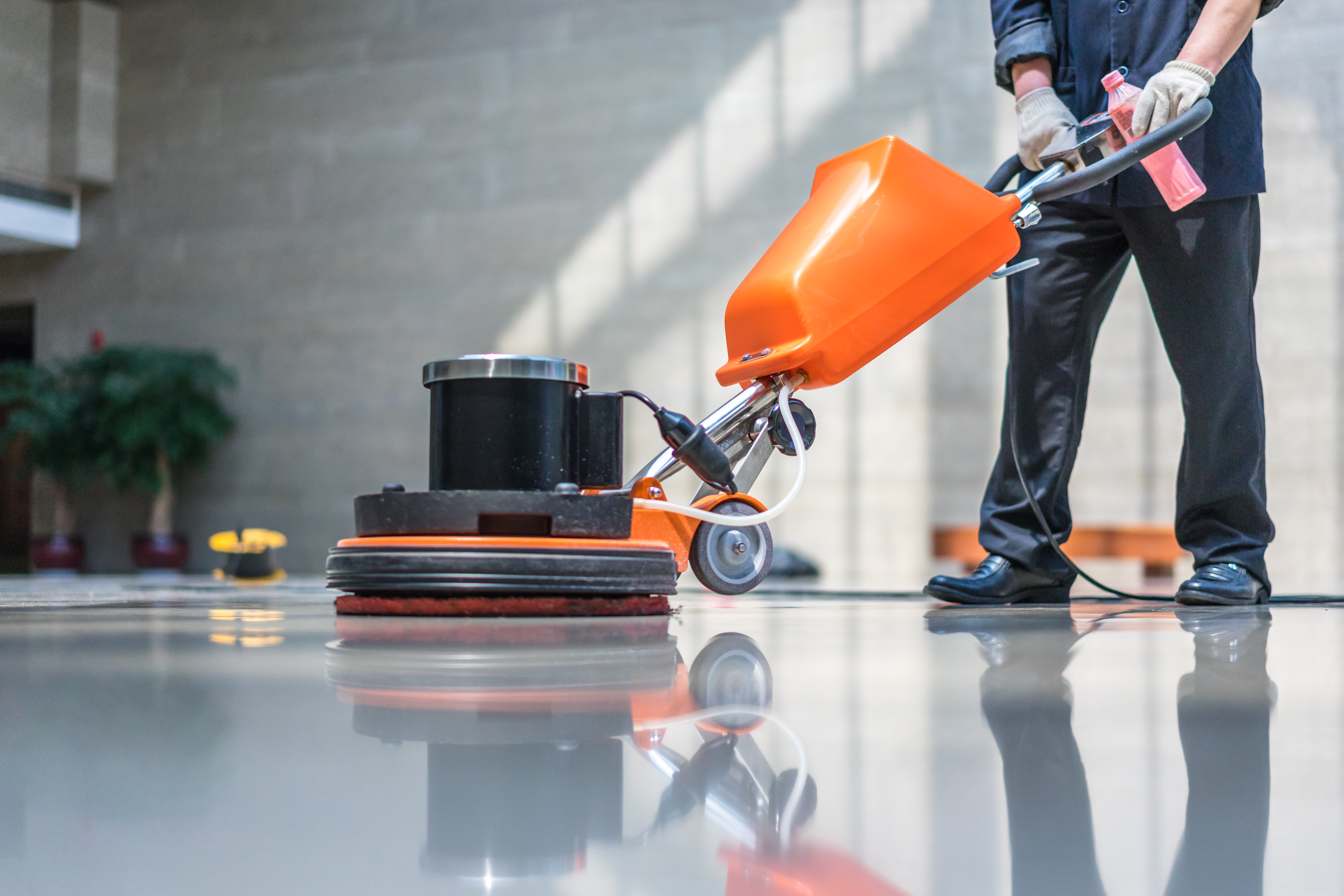


Top-rated floor polishers.

Get matched with top floor polishers in Griswold, IA

Enter your zip and get matched with up to 5 pros

Need a pro for your floor polishing project in Griswold, IA?

Select your specific project to find the pro for you.

Find Floor polishers in Griswold

Floor Polishers questions, answered by experts

The best solution for mopping floors depends on the type of floor you have, but a good all-around or multi-purpose DIY floor cleaner is 2 cups of warm water, 5 to 10 drops of liquid dish soap, and 1 tablespoon of lemon juice. This is safe to use on tile, laminate, wood, polished concrete, vinyl, and more, as it’s relatively neutral and lacks caustic and abrasive chemicals that could be harmful to children and pets. You can also use a multi-purpose commercial cleaner, but make sure to follow the directions for safety.

Both buffing and polishing increase the longevity of your floors by removing scratches and buildup, but they are different processes. Polishing removes the top layer of your floor, removing surface-level scuffs and scratches. Buffing your floor involves filling the scratches and scuffs with a buffing solution. No matter which method you choose, you can rest assured that both techniques will leave your floor looking shiny and new.  

You can mop bamboo floors, but exercise caution to protect the material from excess moisture, which can seep into the bamboo, causing it to warp and well. Moisten a microfiber mop and wring it out until it’s just damp, or use a pH-neutral cleaner, as this will prevent damage to the bamboo fibers. Avoid harsh chemicals, like traditional floor cleaners. After cleaning, wipe the floor dry.

You can regularly clean your Marmoleum® flooring by sweeping, vacuuming, and damp mopping with a neutral cleaner. Avoid using highly abrasive materials or high-pH cleaners to prevent cracking, warping, or discoloration, and never wet mop, as heavy water exposure can damage the floors. Marmoleum® floors have a topcoat called TopShield preinstalled, so you do not need to polish them.

Most DIY floor cleaners don’t require rinsing, but you’ll want to make sure you don’t add too much dish soap or oil to the cleaner to avoid having to rinse it after cleaning. For non-wood floors, mix 8 parts warm water, 1 part vinegar, and 1 part baking soda with a few drops of dish soap. For wood floors, use olive oil in that same mixture instead of the vinegar. You can let these solutions air-dry after cleaning your floors with them, although you should manually dry your floors if they aren’t waterproof.

The Griswold, IA homeowners’ guide to floor polishing services

From average costs to expert advice, get all the answers you need to get your job done.