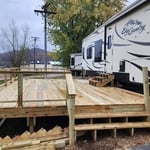
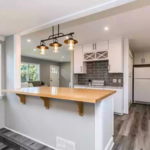
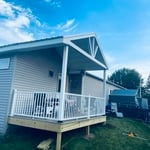
Modern Edge Construction, LLC is committed to excellence in every aspect of our business. We uphold a standard of integrity bound by fairness, honesty and responsibility in all of our jobs. We are a locally owned and operated business with more than 10 years of experience serving Strawberry Point and surrounding areas. There is no job too big, or too small for our team. Call today and let us put our experience to work for you!
At Westendorf Earth Moving, LLC, we pride ourselves on delivering top-notch land clearing and earth moving services. Our small business ensures personalized attention with minimal red tape. With over ten years of experience, our owner-operator is always on-site, guaranteeing the job is done right the first time. We’re fully licensed and insured, providing you with confidence in our capabilities. Our commitment to great customer service sets us apart, making us a trusted choice in the industry.
Granger Construction Inc. is committed to excellence in every aspect of our business. We uphold a standard of integrity bound by fairness, honesty, and personal responsibility. Our distinction is the quality of service we bring to our customers. Accurate knowledge of our trade combined with ability is what makes us true professionals. Above all, we are watchful of our customers' interests, and make their concerns the basis of our business.
Our services include: Grading & Ditching, Trenching, Culvert Installation, Pond Building and Restoration, Demolition, Concrete and Rock Removal, and much more. We take pride in doing the best work for affordable prices. Give us a call today for a free estimate.
Jirak Construction and Roofing is committed to excellence in every aspect of our business. We uphold a standard of integrity bound by fairness, honesty and personal responsibility. Our distinction is the quality of service we bring to our customers. Accurate knowledge of our trade combined with ability is what makes us true professionals. Above all, we are watchful of our customer's interests and make their concerns the basis of our business. Please give us a call today!
From Landscaping and Hardscape to Excavating/Grading, Concrete, Tree Removal/Stump Grinding, Material Hauling and More! We have the equipment and experience to get the job done right.\n\n? Free Estimates\n? Fully Insured\n? Quality Work You Can Trust\n? Big or Small, We Do It All\n\nNow scheduling projects! Contact us today to get on the calendar and bring your vision to life.\n\nWe are a locally owned and operated company that values honesty and integrity and treats your home as if it were our own. We offer a variety of General Contractor services that are customizable to each individual project. You will find us to be competitively priced, paying close attention to the details of each and every project that we are involved with. We look forward to building lasting relationships and guarantee your satisfaction!\n
Titus Demolition & Dirt Work offers residential, commercial, and farm demolition services to all of Ruthven, IA. We are locally owned and operated. We also specialize in house moving, building / house removal, and more.\n
4 Season Services is committed to excellence in every aspect of our business. We uphold a standard of integrity bound by fairness, honesty and personal responsibility. Our distinction is the quality of service we bring to our customers. Accurate knowledge of our trade combined with ability is what makes us true professionals. Above all, we are watchful of our customers' interests and make their concerns the basis of our business. Please give us a call today!
Hard soil could be a sign of overly dry dirt, either from poor drainage or drought. It's important to test the nutrient levels, density, and drainage capacity of your soil to see if it's absorbing water properly. Begin by adding a light layer of water and observing how long the soil retains moisture. If you experience a good deal of runoff, you may need to aerate your lawn, apply a wetting agent, or hire a professional for a closer look.
The time it takes to build a pool—and dig out the area—varies based on the pool size and type. A professional excavator will take between four and eight hours to dig a pool. The process will take longer if they encounter large boulders or tree roots. Keep in mind that this is a small part of the process in the long run. You will need between eight and 12 weeks to build a pool from start to finish, including the time to apply for permits.
A trench that is less than 5 feet deep often doesn't require a protective system. Most residential trenches will not go this deep (the typical residential drainage trench is just 18 inches deep). In the event that an excavator needs to dig more than 5 feet beneath the surface, a protective system is required unless the excavation is in entirely stable rock.
Water lines are buried at various depths, depending on the type of line. For example, most sprinkler lines are buried between four and 12 inches underground. On the other hand, water mains usually sit between one and 3 feet below ground. However, they can go even deeper in cold climates to prevent freezing.
Skunk digging looks like a series of small, cone-shaped holes on a lawn or around the perimeter of a home, porch, deck, or shed. The holes that skunks dig when searching for grubs tend to be no more than four inches in diameter and may be up to four inches deep.
The Fayette, IA homeowners’ guide to excavation services
From average costs to expert advice, get all the answers you need to get your job done.
Excavation costs $1,500 to $6,300 for most residential projects—but it depends on factors like the size of the area. This guide will help you plan a budget.
You can't have an in-ground pool without digging into the ground. How much does pool excavation cost, and can you take it on yourself? Our guide explains.
Picking the right pro can make or break your project. Learn how to hire an excavation pro with the qualifications and skillset to do the job efficiently.