When pests show up, so do we.\n\nFor nearly a century, Terminix® has been one of America's most trusted names in pest control. Every day, our exterminators serve thousands of homes and businesses nationwide, combining national service with local knowledge to provide best-in-class, proactive pest management solutions. We stop problems before they start and respond quickly if issues arise, keeping your property protected.\n\nAnd for extra peace of mind, if pests come back, so do we — guaranteed.\n\nThe Terminix It Guarantee means that if pests come back, so do we, to re-treat at no additional cost. No excuses, just a commitment to care for your home like it's our own with protection you can trust.
"I doubt that you can find any harder working people than Paul Dawson & his daughter of Ace Animal Control. We couldn't be any happier with them & their services. Long story short, the squirrels are gone & they can't get back in again. Thanks Ace ! Alan Schrank God Bless"
Wholy Moly Pest is the company to call to handle anything and everything in the way of wildlife pest control - even beavers! For Wholy Moly Pest, customer service is number one. A job done right the first time and a happy customer is our constant goal - and we make sure to do it.
Rabbits face a range of formidable adversaries in rural and suburban areas. Natural predators such as hawks, foxes, bobcats, raccoons, coyotes, and weasels pose significant threats to their survival. These skilled hunters target bunnies for food, contributing to regulating rabbit populations. Outdoor housepets can be enemies, too, particularly dogs and cats. And loud little humans playing in your yard make great rabbit deterrents, too.
Both spikes and loose nets can be installed over nest sites to prevent the bird from returning, but nets are not a humane option since birds and other wildlife can get tangled in them.
Spikes are a humane alternative that deter nesting without harming the birds. In small areas, like vents, a very fine mesh net can be installed to prevent the bird from returning. These nets don't generally pose a risk to the birds.
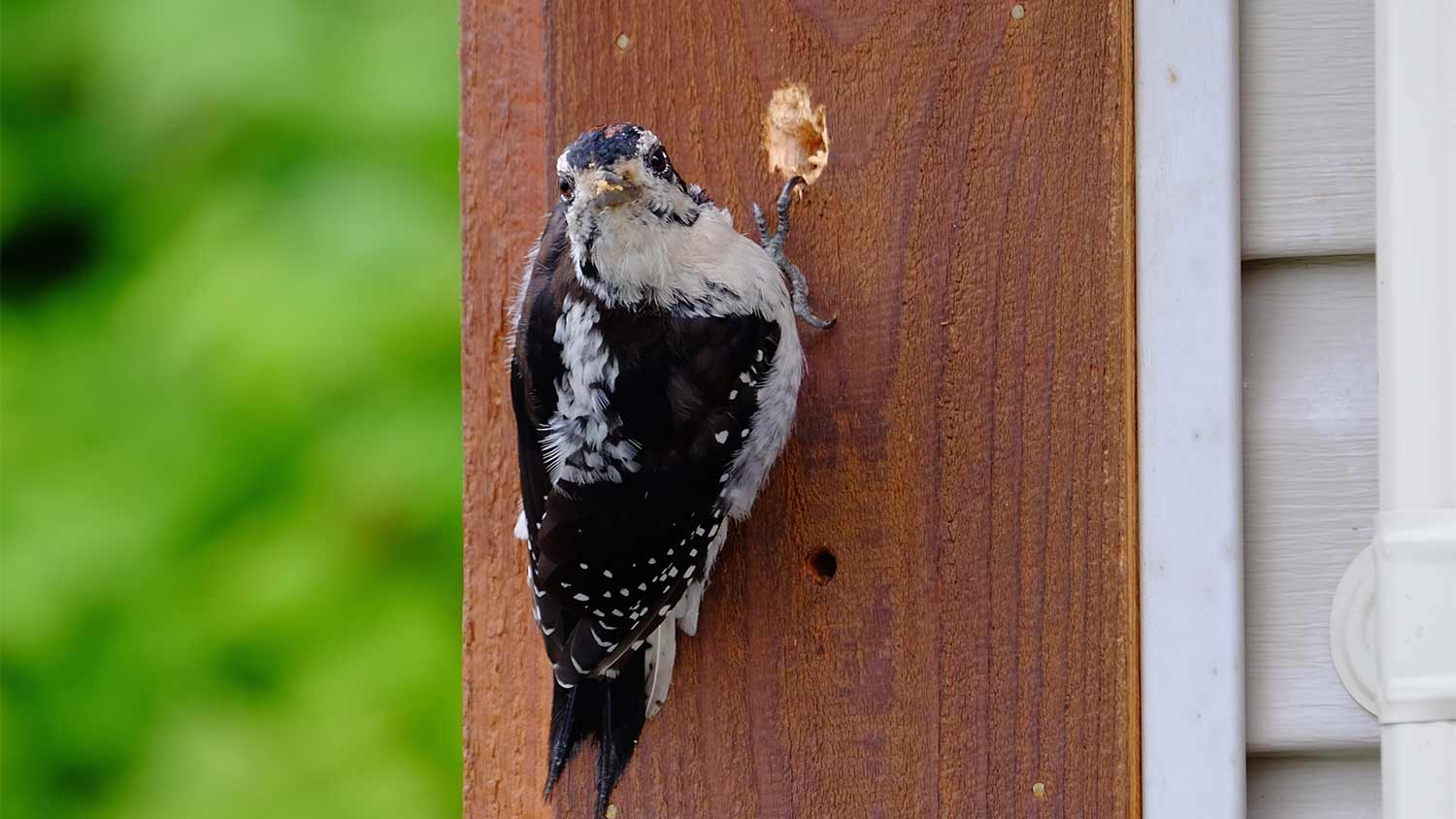
Woodpeckers usually feed on homes when there is a food source present, and termites are one possible source. However, the presence of woodpeckers doesn’t necessarily mean there are termites. They may also be feeding on more harmless insects like ants or spiders. If woodpeckers seem drawn to one particular part of your home’s siding, it might be worth hiring a termite inspector to check for the presence of these pesky critters.
Generally, spring is the best time to hire a pest control service, but it also depends on when you notice the infestation. Insect pest numbers are lower in spring before they hatch, making the extermination and prevention process more manageable as nests and eggs of future pests are eliminated. However, don’t hesitate to hire a pest control specialist when you spot signs of a problem.
Yes, it’s possible for bats in your attic to find a way into your living spaces. Until you can properly remove the bats, the best course of action is to keep the attic doors closed and any holes sealed. Evidence suggests bats follow the airflow in your home, so they may try escaping from the attic to other parts of the house.
The Exira, IA homeowners’ guide to bird control services
From average costs to expert advice, get all the answers you need to get your job done.
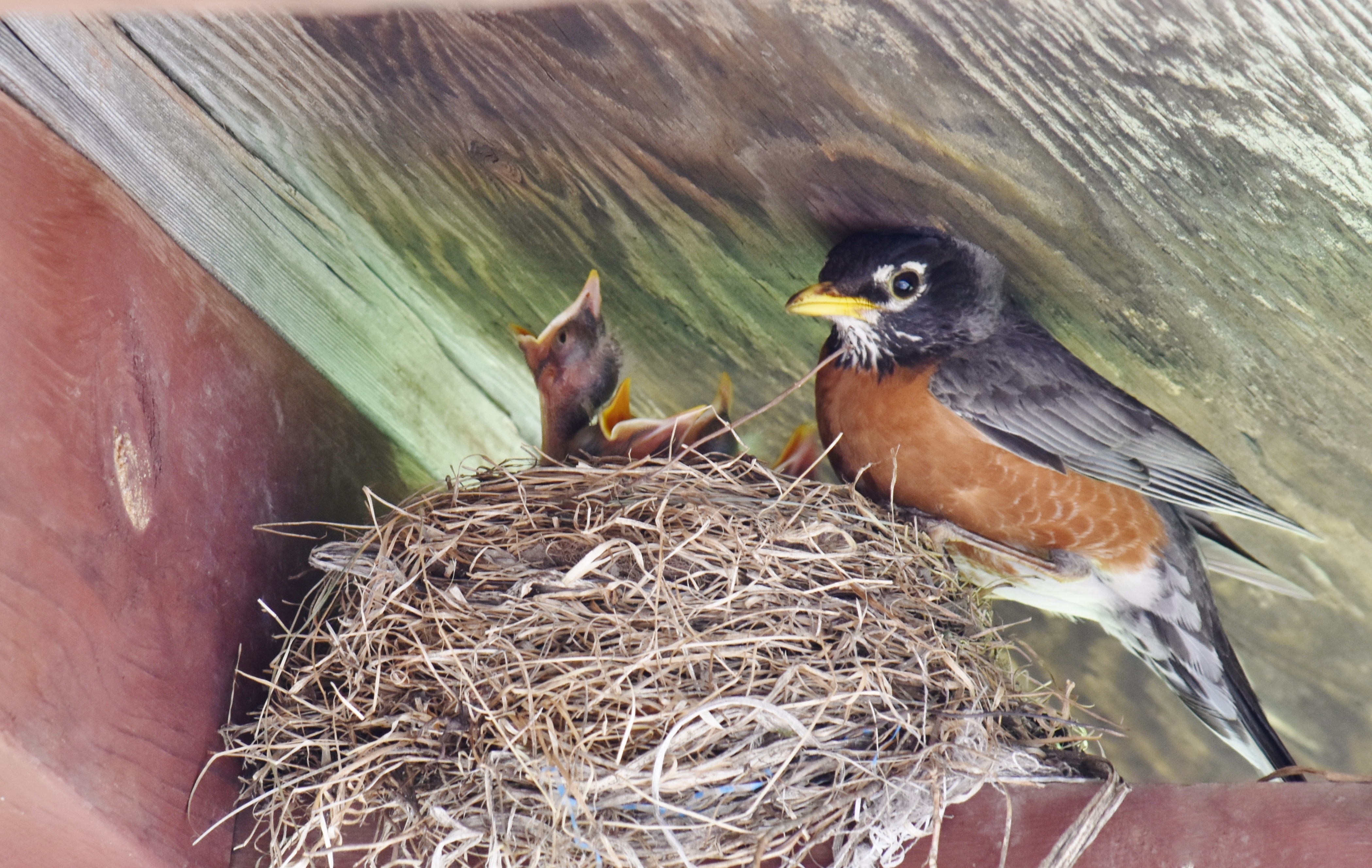
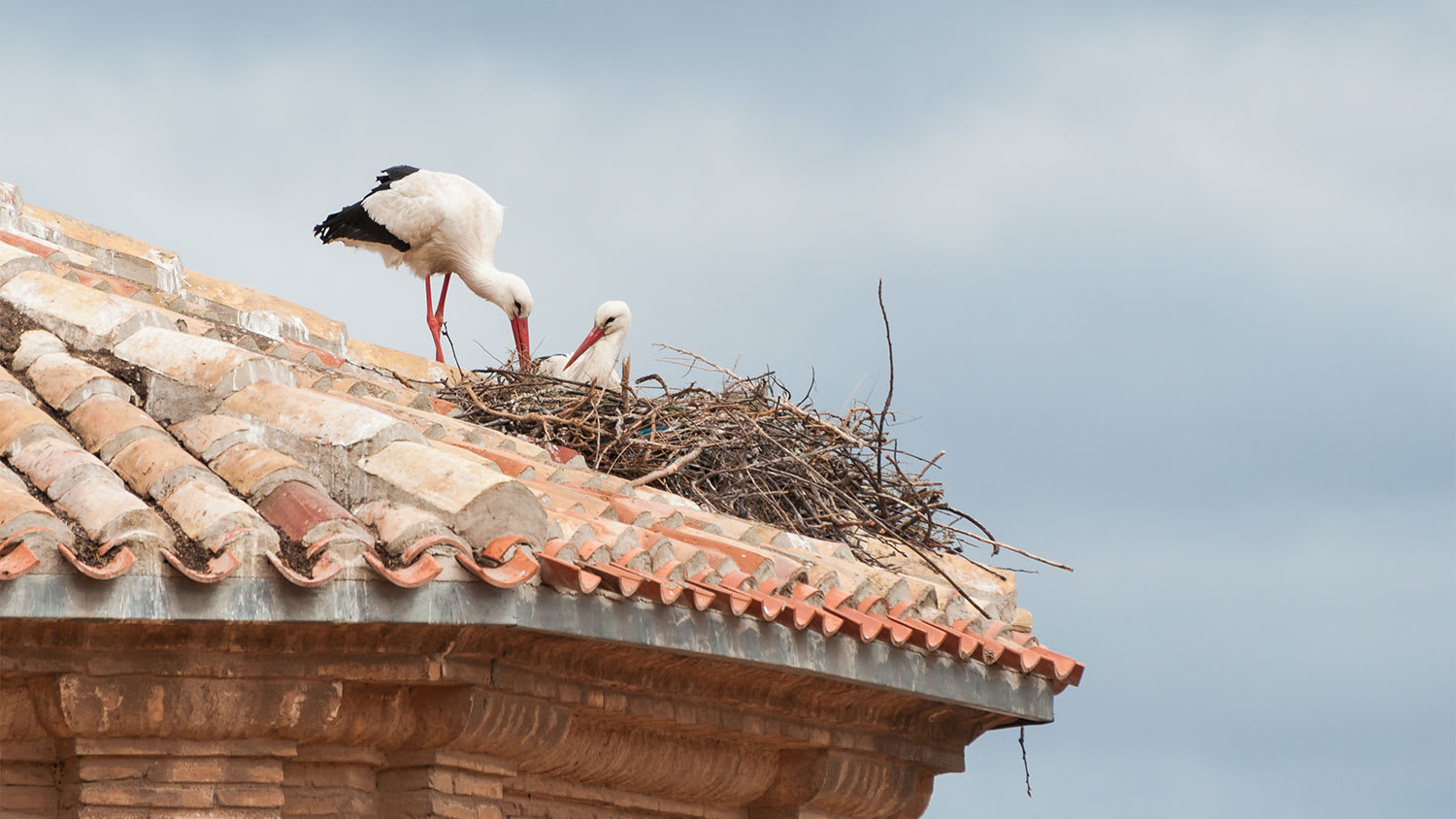
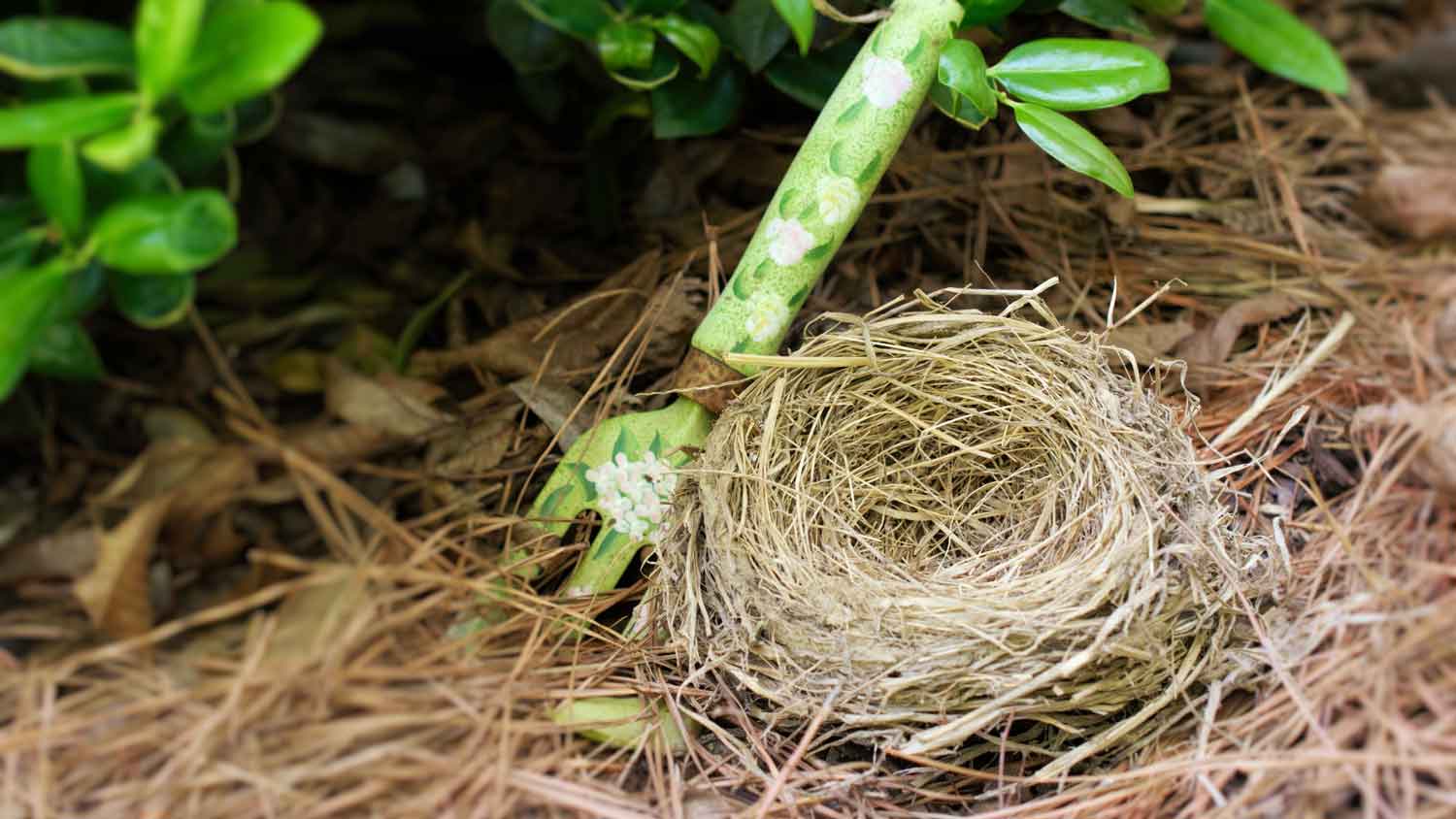
Sometimes birds nest in unwelcome places. Find out how much bird nest removal will cost based on factors like location, bird species, and preventative measures.