
Top-rated deck staining pros.

Get matched with top deck staining pros in Dysart, IA

Enter your zip and get matched with up to 5 pros

Need a pro for your deck staining project in Dysart, IA?

Select your specific project to find the pro for you.

Find Deck staining pros in Dysart

Do it All Davis Construction
4.8(
6
)
Exterior Home or Structure - Paint or StainExterior Home or Structure - Paint or Stain: LargeExterior Home or Structure - Paint or Stain: Medium

Serving Dysart, IA and surrounding areas

In business since 2024

Free estimates

Emergency services offered

"Josh fixed our leak and replaced the dry rot. He was willing to stay late to make sure the project was complete. There was a few times that he wasn't able to be accountable for coming at the appointed time."
Response time6 hrs
Response rate100%
Recommended by83%of homeowners
Avatar for Boeckenstedt Custom Stain and Paint
Boeckenstedt Custom Stain and Paint
New to Angi
Exterior Home or Structure - Paint or StainExterior Home or Structure - Paint or Stain: LargeExterior Home or Structure - Paint or Stain: Medium

Serving Dysart, IA and surrounding areas

In business since 2018

Free estimates

Boeckenstedt Custom Stain and Paint specializes in matching just about any color. We specialize in stain/painting fiberglass doors, side lights, metal doors, wood doors, trim and Azek. We also do decks and refinish hardwood floors. Boeckenstedt Custom Stain and Paint also does interior and exterior painting.\nBoeckenstedt Custom Stain and Paint is licensed and insured and bids are always free. We try to get you the best price for your project. \nThe owner, Brett Boeckenstedt, has been in the industry for over 18 years. He is well educated with most products out there and is always learning about the new products coming out and how he can incorporate them into the projects that he is currently working on.

Showing 1-10 of 15
Deck Staining questions, answered by experts

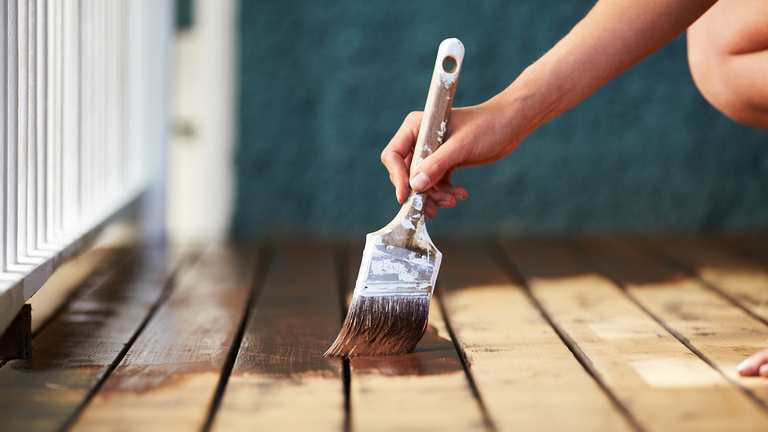
Whether to brush or roll stain on wood depends on the project and your preference. Brushing is ideal for smaller, intricate areas and offers more control over the application, ensuring thorough coverage and penetration into the wood's grain. 

Conversely, rolling is efficient for more extensive, flat surfaces and can save time. However, it is not always the best fit for textured or uneven wood. Some projects may benefit from combining both methods, using a brush for detail work and a roller for broader areas. Ultimately, the choice between brushing and rolling depends on the specific requirements of your staining project.

Whitewashing isn’t permanent, but it can last for a long, long time. When you apply it correctly or have a seasoned pro whitewash your brick, whitewashing can last for 20 to 30 years or longer. Whitewash is very durable and typically requires little maintenance, making it a great project for most DIYers.

Wet-sanding and dry-sanding each have pros and cons. Dry-sanding is less messy, so it’s a good option if you’re trying to minimize dust (for example, if you’re sanding an occupied home or working with particularly dry or dusty drywall mud). However, dry-sanding is quicker because you don’t have to keep rinsing a sponge or wait for it to dry before painting.

Limewash and whitewash are two techniques used to give brick a light, matte finish, but they differ in composition, application, and permanence. The best choice depends on your aesthetic goals and the specific surface.

Composition

  • Limewash: A natural and environmentally friendly option made from limestone, water, and sometimes pigments. It is breathable and soaks into porous surfaces like brick.

  • Whitewash: Traditionally made from lime, water, chalk, and binders, but a similar look can be achieved with watered-down white paint. It is paint-based and sits on top of the surface.

Appearance and Finish

  • Limewash: Provides a natural, textured appearance that allows the brick's character to show through. It offers a more traditional finish.

  • Whitewash: Creates a softer, more opaque finish, often used for a rustic or shabby-chic style.

Application and Permanence

  • Limewash: Is semi-permanent and can be removed, making it a good choice if you might want to change the look in the future. It requires more skill to apply and cannot be used on previously painted brick.

  • Whitewash: Is a more permanent solution. It is more forgiving to apply and can be used on painted brick. However, because it sits on the surface, it can trap moisture.

Ultimately, if you want a breathable, natural, and reversible finish for unpainted brick, limewash is a great option. If you need a more permanent, opaque coating that can be applied over painted surfaces, whitewash is the better choice. Whitewashing may also be more economical, costing approximately $1.40 to $4.20 per square foot.

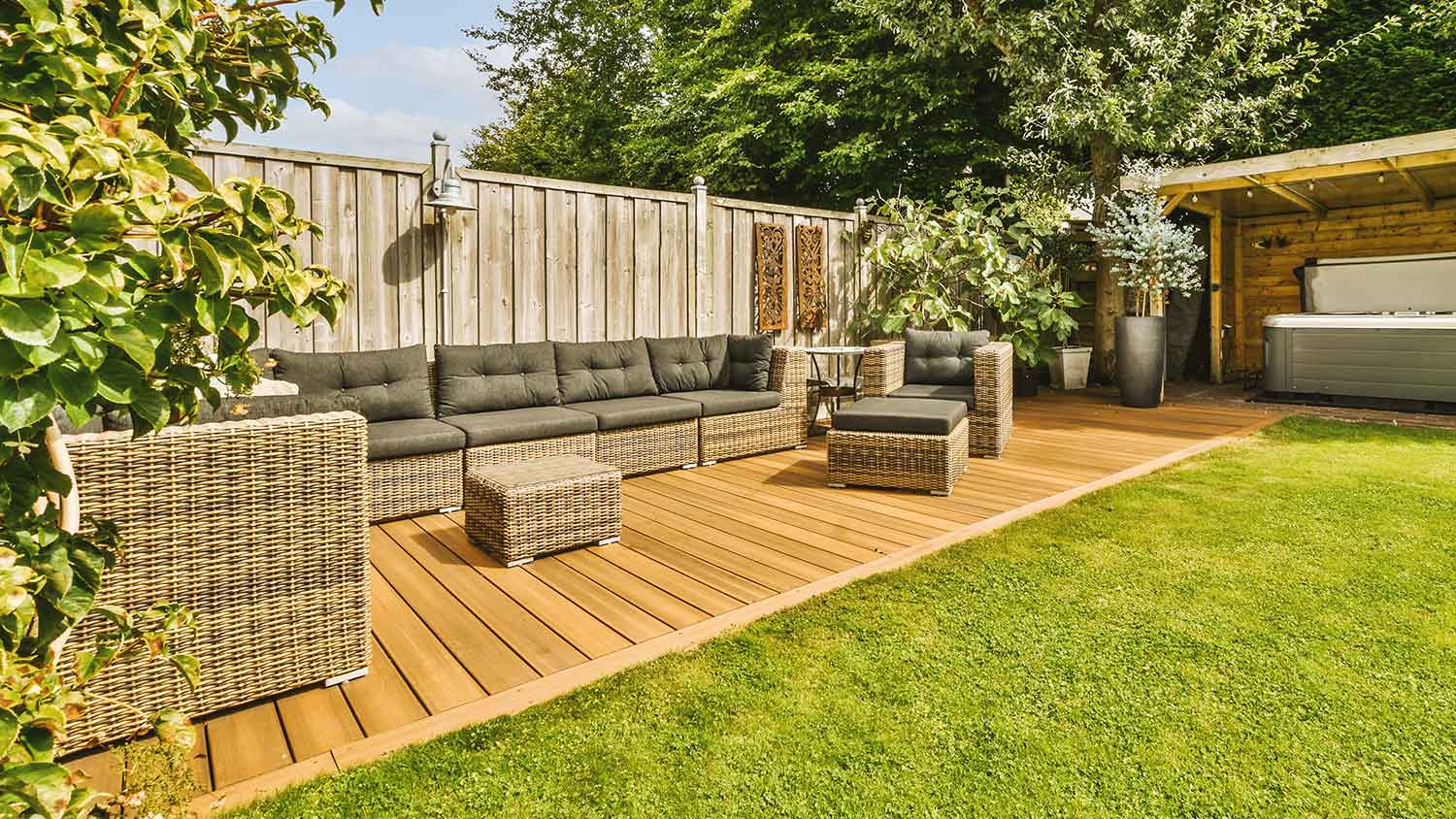
Staining a deck is typically less expensive upfront than painting. The cost to stain a deck professionally averages around $850, with most homeowners paying between $550 and $1,250, depending on the deck's size. A DIY staining project can cost less than $100. The cost to paint a deck ranges from $500 to $2,000. While the initial cost of staining is lower, it's important to consider long-term expenses. Paint can last up to 10 years, whereas stain needs to be reapplied every few years, which could lead to higher costs over time.
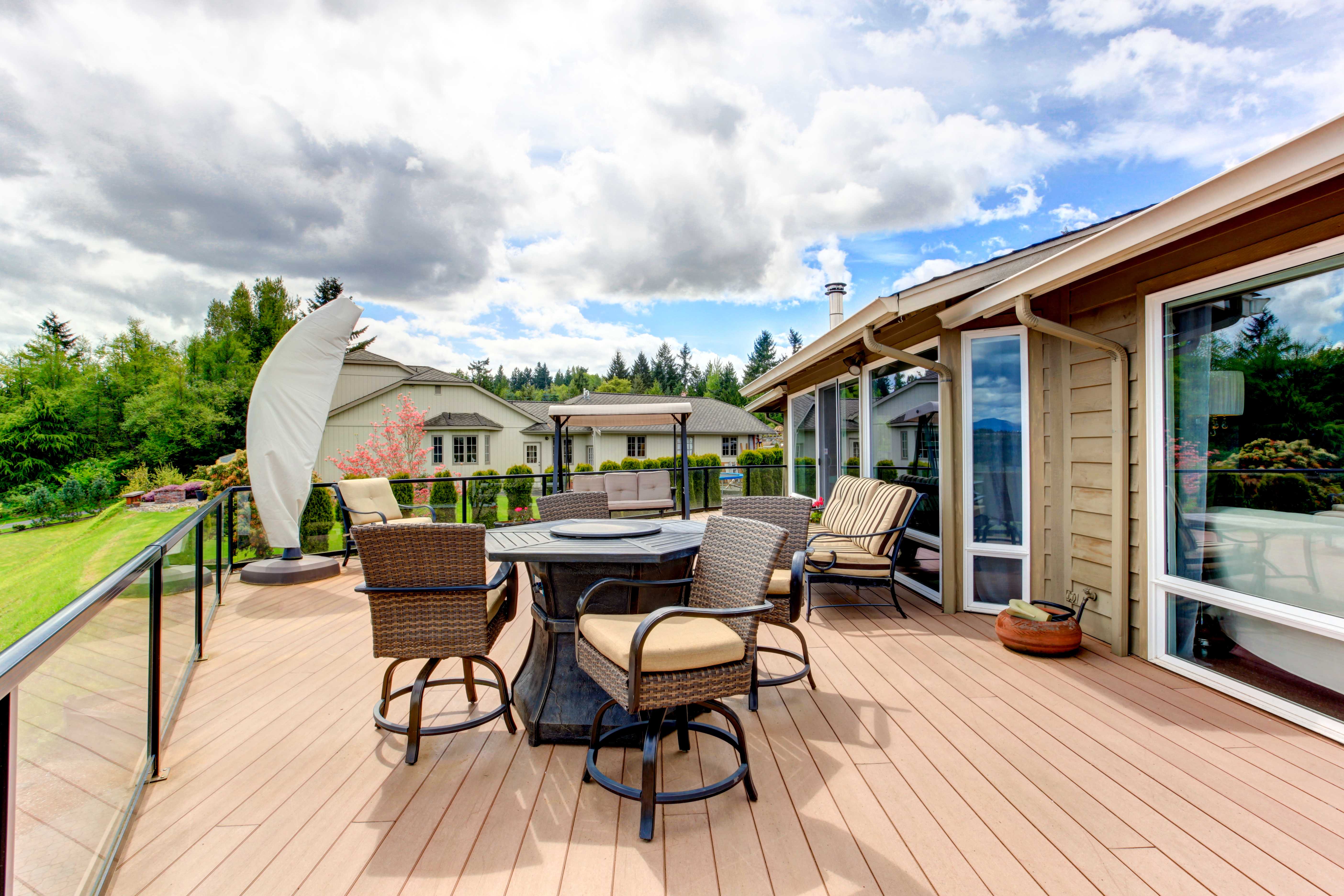
The Dysart, IA homeowners’ guide to deck staining services

From average costs to expert advice, get all the answers you need to get your job done.