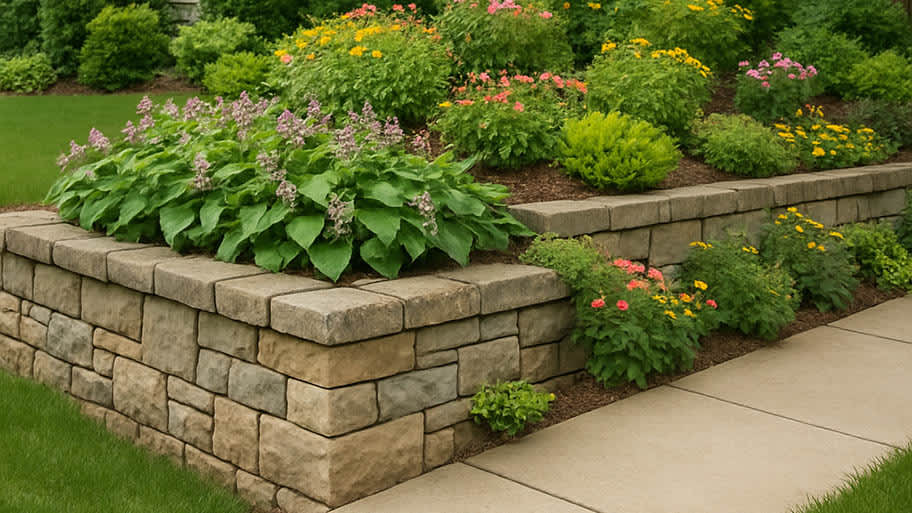



Top-rated retaining wall installation pros.

Get matched with top retaining wall installation pros in Casey, IA

Enter your zip and get matched with up to 5 pros

Need a pro for your retaining wall installation project in Casey, IA?

Select your specific project to find the pro for you.

Find Retaining wall installation pros in Casey

Avatar for Elite Concrete Solutions, LLC
Elite Concrete Solutions, LLC
New to Angi
Retaining Wall - Install

Serving Casey, IA and surrounding areas

In business since 2010

Free estimates

Credit card accepted

Elite Concrete Solutions LLC is committed to excellence in every aspect of our business. We uphold a standard of integrity bound by fairness, honesty, and personal responsibility. Our distinction is the quality of service we bring to our customers. Accurate knowledge of our trade combined with ability is what makes us true professionals. Above all, we are watchful of our customers' interests and make their concerns the basis of our business. \n

Response time10 mins
Retaining Wall Installers questions, answered by experts

Generally speaking, a retaining wall should be between 3 and 4 feet high, depending on variables such as the wall-building material, the purpose of the retaining wall, and more. If you want your retaining wall to be taller than 4 feet, check with your local building ordinance office for the maximum allotment. You may also need a special permit for retaining walls over 4 feet tall.

If you've decided you'd like to skip the cost of restoring a brick exterior wall after considering whether you should repair or replace brick on your house, you can consider installing fiber cement siding over brick for a cost of $2 to $6 per square foot. When done properly, cement siding over brick offers a durable, low-maintenance option that can actually reduce your home's energy costs. It's also attractive. However, improper installation or installation over heavily compromised brick can cause water damage. 

Regular inspection for issues like cracks or leaning and ensuring drainage stays clear.

Failure to compact the soil during construction is the most common cause of leaning retaining walls. In addition, poor drainage can lead to excessive water pressure behind a retaining wall, pushing against it until it begins to move forward away from the soil it is holding back.

Costs depend on material type, labor rates, and additional features like decorative finishes or reinforcement.

The Casey, IA homeowners’ guide to retaining wall installation services

From average costs to expert advice, get all the answers you need to get your job done.