







Top-rated excavation pros.

Get matched with top excavation pros in Bellevue, IA

Enter your zip and get matched with up to 5 pros

Need a pro for your excavation project in Bellevue, IA?

Select your specific project to find the pro for you.

Find Excavation pros in Bellevue

Avatar for SCHANBECK LANDSCAPING & EXCAVATION, LLC
SCHANBECK LANDSCAPING & EXCAVATION, LLC
New to Angi

Serving Bellevue, IA and surrounding areas

Approved

In business since 2024

Free estimates

Warranties offered

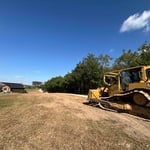
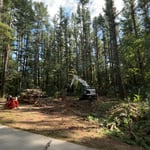
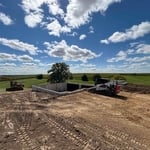
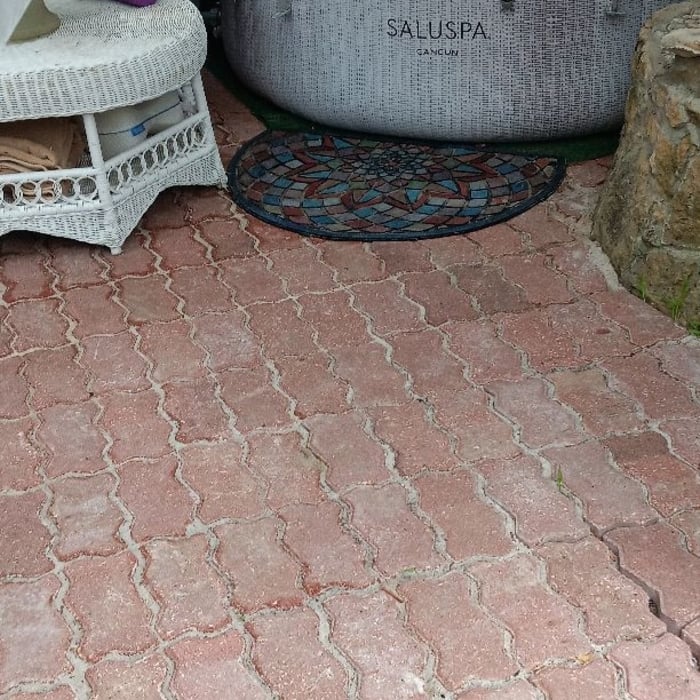
From Landscaping and Hardscape to Excavating/Grading, Concrete, Tree Removal/Stump Grinding, Material Hauling and More! We have the equipment and experience to get the job done right.\n\n? Free Estimates\n? Fully Insured\n? Quality Work You Can Trust\n? Big or Small, We Do It All\n\nNow scheduling projects! Contact us today to get on the calendar and bring your vision to life.\n\nWe are a locally owned and operated company that values honesty and integrity and treats your home as if it were our own. We offer a variety of General Contractor services that are customizable to each individual project. You will find us to be competitively priced, paying close attention to the details of each and every project that we are involved with. We look forward to building lasting relationships and guarantee your satisfaction!\n

Profile Picture
1 neighbors recently requested a quote
Excavating questions, answered by experts

There is no standard depth for burying a septic tank; they are typically buried anywhere from 4 inches to 4 feet underground. The final depth depends on several factors, including the depth of your main sewer line, the height of the bedrock, soil type, local regulations, and the property's landscape. If you plan to grow grass or plants over the tank, a depth of at least 4 to 6 inches is recommended. Deeper tanks can be more difficult to locate, but a septic professional can help find it for you.

If you’re planning to dig on your property, you’ll need to check for underground utility lines. Call the national call-before-you-dig 811 number. Once connected to an operator, you can schedule a site visit to mark underground lines. This way, you won’t accidentally dig into pipes and can cause major (read: costly) issues.

The best method for digging a trench depends on the scope of the project. For a short, shallow trench (less than 2 feet deep) in light, soft soil, digging by hand may be sufficient. However, digging by hand is labor-intensive, so consider the effort required. A machine trencher is the better option for longer trenches (over 100 feet), deeper ones, or when dealing with difficult soil conditions, such as rocky or hard ground, or obstructions like tree roots. A machine can save significant time and energy in these situations.

If you have a broken sprinkler pipe underground, there will be some signs you can easily spot to locate it and take action. These include leaks, water spouts, flooding, consistently damp areas on your lawn, low water pressure, and grass around the sprinkler head that’s taller and darker than anywhere else in the yard. 

If there are no obvious signs of a broken pipe, you can use tools such as water leak mics, leak noise loggers, audio devices that record leaks, and acoustic testing links. 

Broken pipes can lead to uneven watering, plant damage, and higher utility bills. The longer you wait to fix them the more the repair cost may be.

Water lines are buried at various depths, depending on the type of line. For example, most sprinkler lines are buried between four and 12 inches underground. On the other hand, water mains usually sit between one and 3 feet below ground. However, they can go even deeper in cold climates to prevent freezing.

The Bellevue, IA homeowners’ guide to excavation services

From average costs to expert advice, get all the answers you need to get your job done.