

Top-rated excavation pros.

Get matched with top excavation pros in Atkins, IA

Enter your zip and get matched with up to 5 pros

Need a pro for your excavation project in Atkins, IA?

Select your specific project to find the pro for you.

Find Excavation pros in Atkins

Downs Excavating LLC
5.0(
4
)
Building Site - Preparation and ClearingBuilding Site - Preparation and Clearing - For BusinessExcavation - Major Grading or Resloping+2 more

Serving Atkins, IA and surrounding areas

In business since 2024

Free estimates

Offers commercial services

"Contacted Downs Excavating to assist with hauling away junk and debris from flood damage and he was quick to show up and get the job done! Fast and friendly service and have recommended Travis to everyone I know."
Response time5 hrs
Recommended by100%of homeowners
Cedar Prairie Grading, LLC
5.0(
6
)
Building Site - Preparation and ClearingBuilding Site - Preparation and Clearing - For BusinessExcavation - Major Grading or Resloping+1 more

Serving Atkins, IA and surrounding areas

In business since 2016

Free estimates

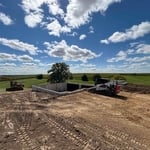
"Tom did a great job and when he was done he did several extra things that he thought would help that were not originally discussed for no extra charge. He helped solve a drainage problem behind my house."
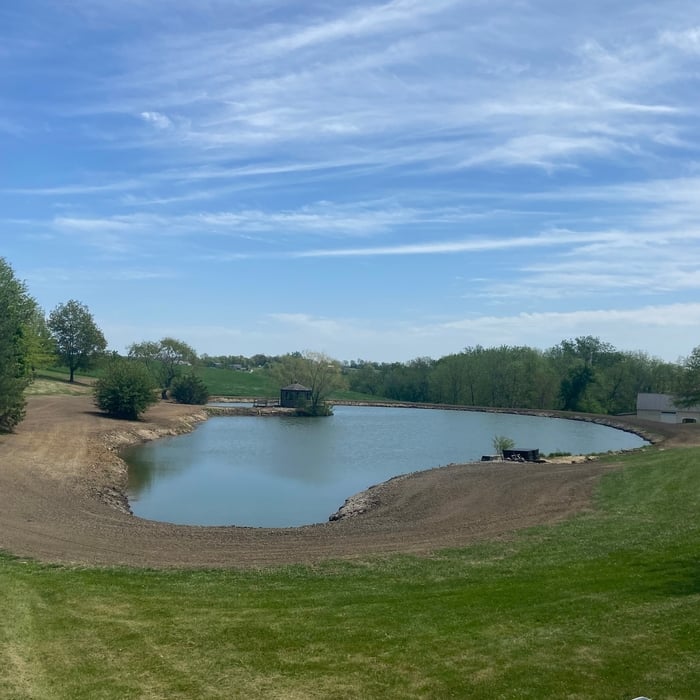
Prepairing to build pond
Response time1 day
Recommended by100%of homeowners
Showing 1-10 of 25
Excavating questions, answered by experts

If you’re planning to dig on your property, you’ll need to check for underground utility lines. Call the national call-before-you-dig 811 number. Once connected to an operator, you can schedule a site visit to mark underground lines. This way, you won’t accidentally dig into pipes and can cause major (read: costly) issues.

Hardscaping often requires preparation of the ground in the area where the feature is being installed. This can include digging, compacting, and leveling the soil, ensuring adequate drainage, and removing any existing plants. The extent of preparation needed will depend on the type and size of the hardscaping feature being installed.

A trench that is less than 5 feet deep often doesn't require a protective system. Most residential trenches will not go this deep (the typical residential drainage trench is just 18 inches deep). In the event that an excavator needs to dig more than 5 feet beneath the surface, a protective system is required unless the excavation is in entirely stable rock.

Excavation is priced in cubic yards, so you’ll need to find the volume of the area in order to calculate costs. Multiply the length, width, and proposed depth of your excavation site, then convert it into yards to get the volume. Multiply this figure by the price per cubic yard.

Most homeowners can measure by hand to get a rough estimate, even if it’s tedious. You may want to pull out a tape measure or use a string to help mark the area.
The best way to protect tree roots is to avoid the roots entirely by excavating outside the root radius of the tree. For nearby projects, it’s a good idea to construct a temporary retaining wall. But that’s not always possible, depending on the project and the root system. In these cases, consider using alternative equipment like an auger to tunnel under the ground.

Remember, tree roots can damage nearby cement foundations as they grow. If a tree is close enough to interfere with large excavations, it may be better to remove the tree than risk future problems.

The Atkins, IA homeowners’ guide to excavation services

From average costs to expert advice, get all the answers you need to get your job done.