



Top-rated asphalt driveway pros.

Get matched with top asphalt driveway pros in Aplington, IA

Enter your zip and get matched with up to 5 pros

Need a pro for your asphalt driveway service project in Aplington, IA?

Select your specific project to find the pro for you.

Find Asphalt driveway pros in Aplington

Avatar for Titan Excavating, LLC
Titan Excavating, LLC
5.0(
23
)
Gravel or Loose Fill Paving - Install, Spread or ScrapeAsphalt Paving - Repair or PatchConcrete Driveways & Floors - Install- For Business+2 more

Serving Aplington, IA and surrounding areas

Approved

In business since 2020

Free estimates

Emergency services offered

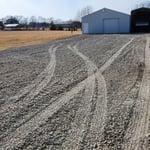
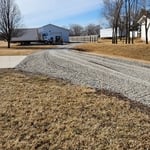
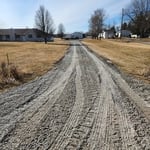
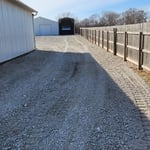
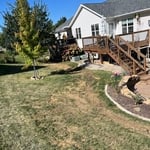
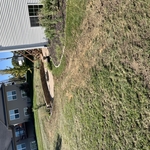
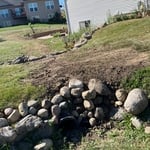
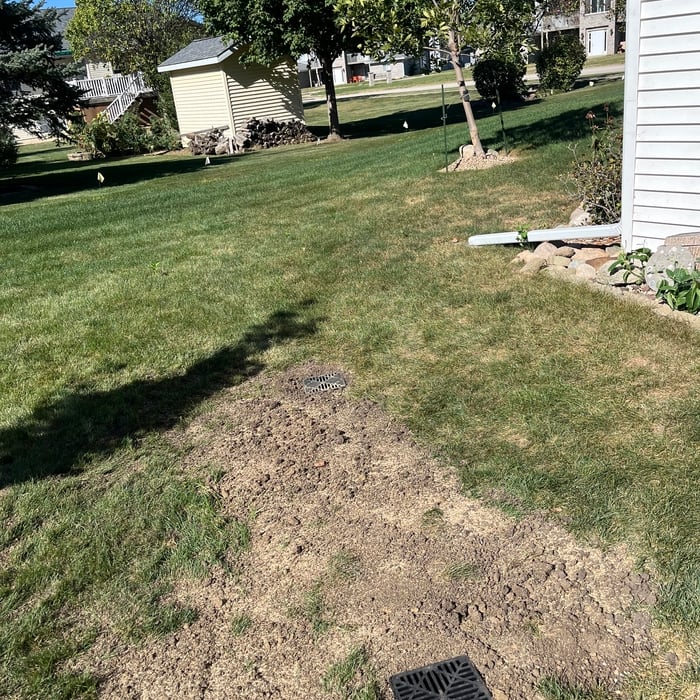
"Widened and leveled my driveway, added new gravel and compacted it and added a drainage grate to my garage. Very professional and knowledgeable. Was able to accommodate my schedule. Finished the work in about 8 hours. Very happy with the result."
Parking
Drive
Drive
Drive
Parking

+25

Response time9 hrs
11 neighbors recently requested a quote
Recommended by80%of homeowners

Showing 1-10 of 35
Asphalt Driveways questions, answered by experts

An ideal driveway gradient is between 2% and 5%. Anything lower than 1% or higher than 15% can cause problems for your car or property. A driveway with less than a 1% slope increases your likelihood of flooding and water damage, while a driveway with a 15% grade or higher can be too steep for safe traveling.

Recycled asphalt is not better than gravel, but can be a good alternative. It is inexpensive, but not as low-cost as gravel, and doesn’t tend to last as long. Recycled asphalt isn’t as dusty as gravel and is more environmentally friendly. The black look can be something that homeowners prefer. No matter what, ensure you choose an experienced recycled asphalt contractor. 

Wet cutting is usually the preferred method. It controls dust, which helps protect your lungs and makes for a cleaner working environment. Plus, the water cools the blade, preventing overheating and prolonging its life while providing smoother, more precise cuts. The downside is the mess—water and asphalt sludge can be messy to clean. Dry cutting, though convenient if water isn’t available, creates a lot of dust, which can be harmful. This also increases the risk of blade damage due to overheating. So, if you have the option, wet cutting is the better method for most asphalt jobs.

Instead of a set number of types, asphalt comes in variations designed for different needs. Some are categorized by temperature—hot mix, warm mix, and cold mix. Others are sorted by composition, like dense-graded, gap-graded (such as Stone Matrix Asphalt), porous, and mastic asphalt. There are also modified versions with added compounds like polymers, rubber, or emulsions. Instead of focusing on a number, it may be more useful to understand how contractors customize asphalt for durability, climate, and traffic conditions.

Asphalt and tarmac are not the same thing. Traditional tarmac, short for tarmacadam, uses tar as a binder to hold crushed stone together. Asphalt uses bitumen—a byproduct of crude oil—to bind aggregate. Though tarmac was once a go-to for roads, asphalt has become the modern standard. And these days, most surfaces referred to as “tarmac” are actually asphalt. So, while the names may overlap, the key distinction lies in the binder—tar for tarmac and bitumen for asphalt.
The Aplington, IA homeowners’ guide to asphalt driveway services

From average costs to expert advice, get all the answers you need to get your job done.