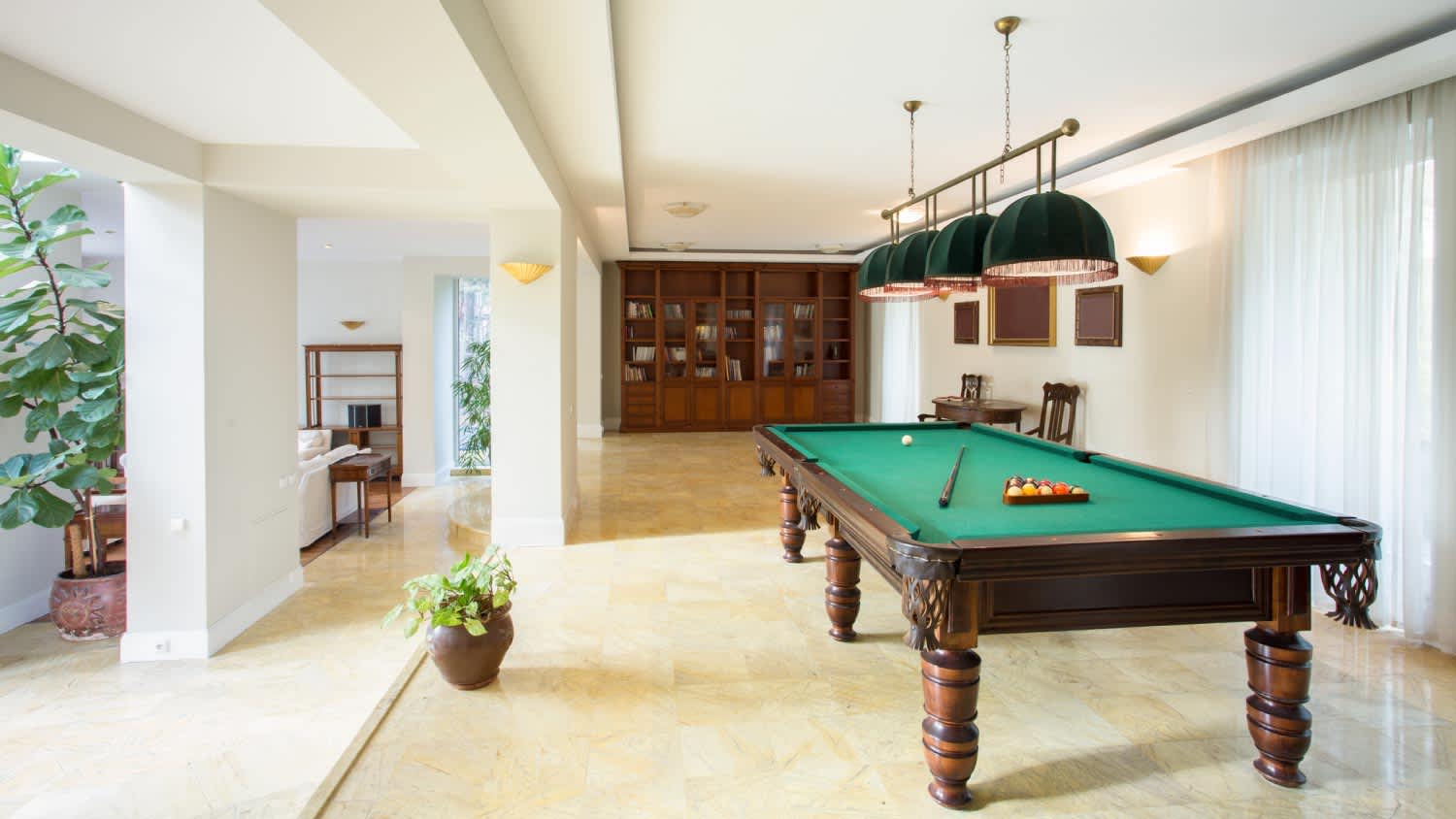








Top-rated pool table assembly pros.

Get matched with top pool table assembly pros in Papaikou, HI

Enter your zip and get matched with up to 5 pros

Need a pro for your pool table assembly project in Papaikou, HI?

Select your specific project to find the pro for you.

TRUSTED BY PAPAIKOU, HI HOMEOWNERS

  • Average homeowner rating star icon4.1
    Average homeowner rating
  • Verified reviews icon86
    Verified pool table assembly services reviews

Find Pool table assembly pros in Papaikou

Keoua Dayton
New to Angi
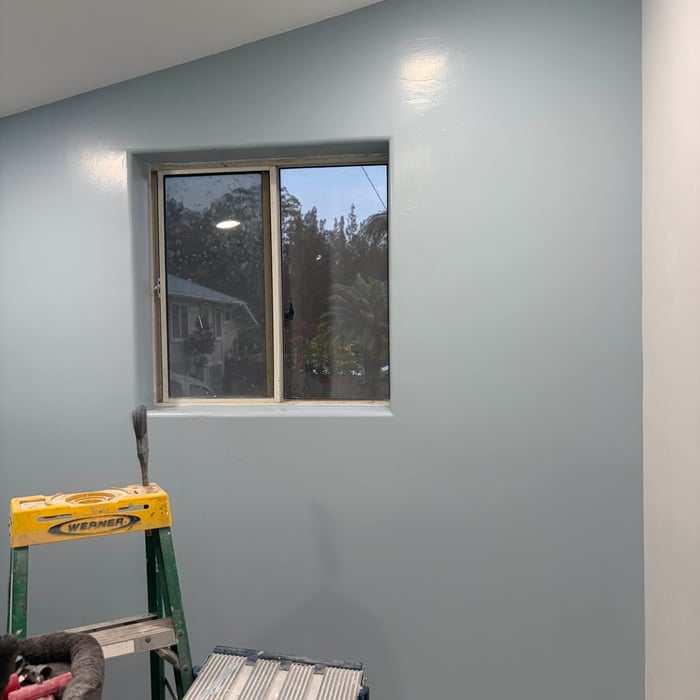
Handyman for Multiple Small Projects

Serving Papaikou, HI and surrounding areas

Approved

In business since 2020

Free estimates

Keoua Dayton handyman is a locally owned and operated company that values honesty and integrity in all aspects of our business. Our dedicated team of professionals have years of hands-on experience, to provide innovative ideas and suggestions tailored to your projects. Our services are customized to your individual needs, paying close attention to the details of each project that we are involved with. Please feel free to contact us today!

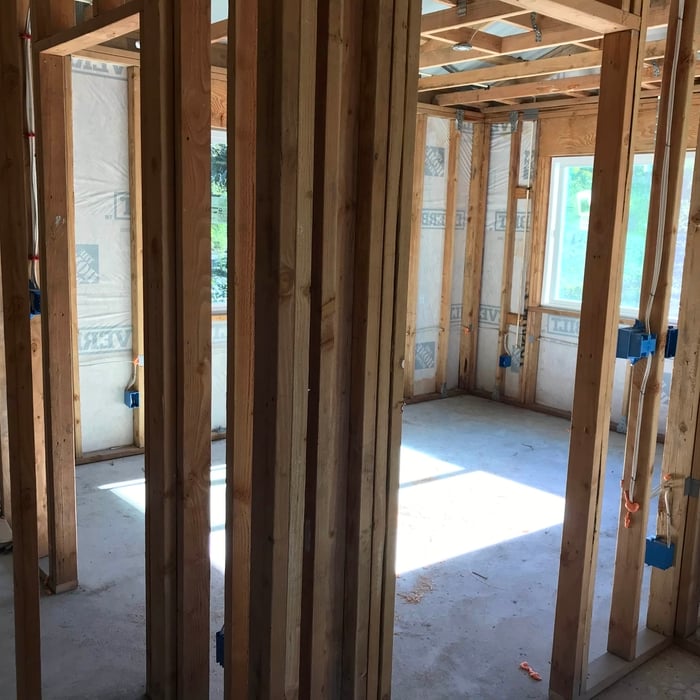
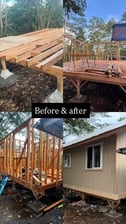
House Build
House Build
House Build
House Build
House Build

+3

3 neighbors recently requested a quote
...
Showing 1-10 of 143
Pool Table Assembly questions, answered by experts

Whether or not a pool needs a dedicated circuit depends on the electrical needs of the motor, lights, and pump. Keep in mind that pool motors can use a lot of electricity. A dedicated circuit can prevent the breaker from tripping whenever you use the pool. A small motor for an equally small pool may only need a GFCI outlet. It’s best to plug it directly into the outlet rather than using an extension cord. You should also consult an electrician to ensure your pool’s electrical system is in accordance with local regulations.

Yes, it’s possible to put too much salt in your saltwater pool, and doing so can cause a number of problems, including corroding metal parts and causing the chlorinator to stop working correctly. In general, slightly elevated salt levels won’t cause serious problems beyond salty-tasting water, but you should dilute the water in a pool with extremely high salt levels to prevent damage to its components.

It’s a good idea to wait at least 24 hours after opening your pool before you swim in it. Pool opening often involves shocking the water, and the chemical levels need to come down a bit before it’s safe to swim. You can continue testing your water pH and chlorine levels if you’re in a rush. It’s wise to wait until your chlorine levels drop to under four parts per million (ppm) and you have a water pH of between 7.2 and 7.8. You can artificially lower your water pH to speed up the process.

Generally, you should run your pool pump for eight to 12 hours a day to keep your water clean and chemical levels balanced. The ideal runtime can vary depending on your specific pump type. While running the pump as much as possible is ideal for cleanliness, it can increase electricity costs. To save money, you can run the pump strategically during non-peak hours when electricity is cheaper, which is often in the evenings or at night. The hours do not need to be consecutive.

If you’re wondering how to find a leak in an aboveground pool, the process is the same as it is for an in-ground pool. Note that the vinyl liner in aboveground pools is fairly thin, so sharp objects easily puncture it. Additionally, the liner can wear down after constant exposure to pool chemicals, especially when chlorine levels are higher than they should be. For these reasons, small holes in the vinyl liner often cause leaks, but you can easily detect them with the dye test.

The Papaikou, HI homeowners’ guide to pool table assembly services

From average costs to expert advice, get all the answers you need to get your job done.