"The work was clean and the owner as well as, all of the employees were professional and friendly. The only criticism would be the failure to clean up the job site. They did haul most of the rubbish away but the employees left chunks of drywall mud and screws on the floor of the garage, empty bottles in the yard, and leftover materials, fiberglass insulation, were thrown carelessly on top of my personal belongings. Despite the messiness, I would hire this company again. ?"
Aloha we are a small business raised in Oahu. We thrive off the passion of delivering a clean & cozy home. We specialize in cleaning everything from bathrooms to kitchens to floors & carpet. We leave you feeling fresh and happy with the results of a sanitized work or living space. We bring our own chemical solutions, rags, vacuums, mops, brooms and other tools needed to clean your home efficiently and swiftly. We hope you give us a chance to show you what we are capable of. Thank you for your trust in our growing business. Mahalo
The average cost to install insulation is around $1,800, but you could pay anywhere between $500 and $4,500, depending on various factors. Some of the things that have a significant influence on your pricing include the following:
Size of the area
Type and R-value of the insulation
Whether your space is finished or unfinished
Accessibility of the area
Your geographical location
Amount of site preparation, especially for blown-in insulation
Whether or not you need old insulation removed
Mineral wool has an excellent life expectancy of up to 50 years, provided it's kept dry and free of pests. Compared to fiberglass, with a life span of 20 to 30 years, mineral wool stacks up well for long-term cost savings. Sheep wool maintains a similar life span to fiberglass, while estimates for hemp wool insulation life expectancies are all over the board, ranging anywhere from 20 to 100 years.
Cellulose insulation is usually made from recycled paper products, such as old newspapers, but cellulose might also contain recycled denim. While most homeowners traditionally buy cellulose insulation to use for installation, it is possible to make your own at home with old newspapers, cardboard, a paper shredder, and boric acid (important for fireproofing your cellulose insulation materials).
Insulation prevents heat transfer, which keeps your home cool in summer and warm in winter. Regulating the temperature in your home is not only more comfortable for you, but will lower your heating and cooling bills—it’s a win-win. Make sure to determine the correct amount of insulation to ensure it is enough for your home and climate.
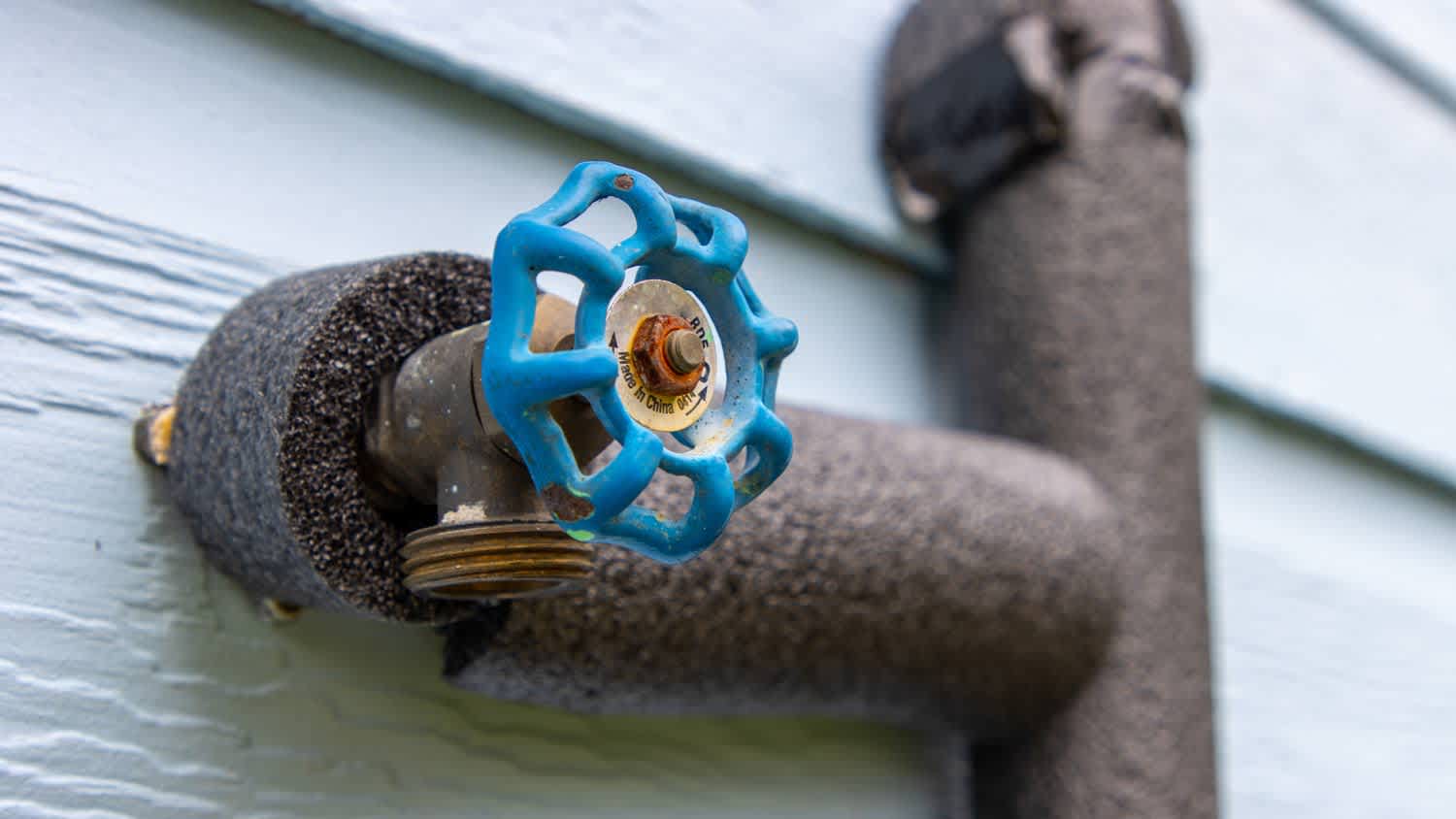
Yes, you should insulate your copper pipes to help regulate their temperature. Well-insulated copper pipes will be protected from freezing and can conserve energy by keeping hot water warm for longer. Foam rubber insulation tubes are the best pipe insulation to prevent freezing since they fit tightly around the pipes while still maintaining some flexibility.
The Lihue, HI homeowners’ guide to insulation services
From average costs to expert advice, get all the answers you need to get your job done.
Learn how to decide if your home needs dryer vent insulation to protect your vent from drafts and moisture that can make your energy usage less efficient. Poorly ventilated dryer vents also increase mold risks!
Removing old insulation may be necessary for upgrading your insulation. Keep reading to see if you should remove old insulation before adding new insulation.
If your home’s temperature is uncomfortable or your energy bill is spiking, you should check your insulation. We'll help you find out if you should replace it.