








Top-rated masons.

Get matched with top masons in Kula, HI

Enter your zip and get matched with up to 5 pros

Need a pro for your masonry work project in Kula, HI?

Select your specific project to find the pro for you.

Find Masons in Kula

TKH Construction LLC
New to Angi
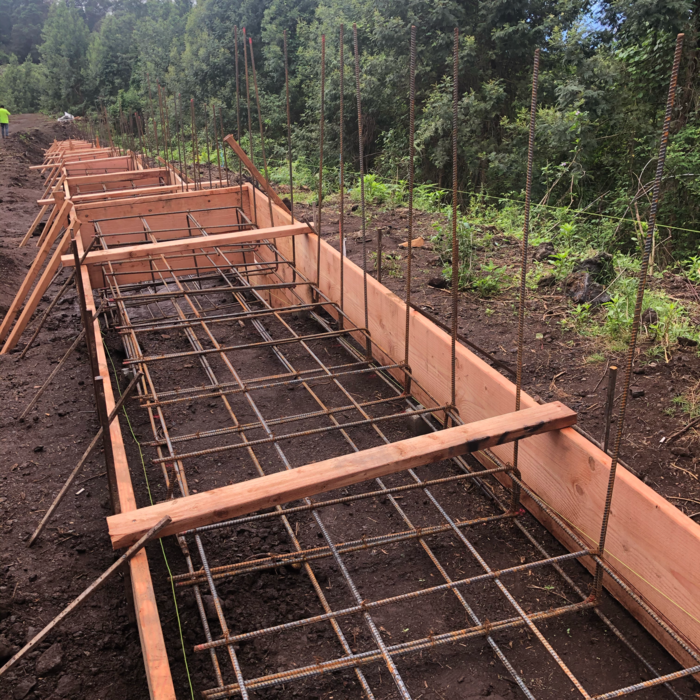
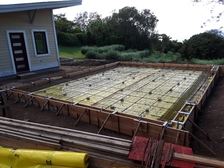
Concrete Foundation - Install

Serving Kula, HI and surrounding areas

Approved

In business since 2007

Free estimates

Offers commercial services
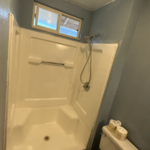
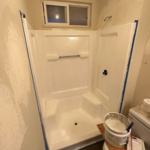
We take great pride in our reputation of experience, expertise, quality, and customer service to meet our consumers' needs. It is our mission to provide excellent workmanship and complete customer satisfaction from start to completion of your project. We take great care to work and communicate with every customer in a professional manner. Our reputation is based on service, safety, and quality, regardless of how large or small the job from start to finish. We look forward to working on your next project.

Response time3 days
21 neighbors recently requested a quote
Showing 1-10 of 29
Masonry questions, answered by experts
No, using a power sander on brick is not recommended because the force of the sander can destroy brick's fragile outer layer. Even using sandpaper on brick is discouraged because of the damage its abrasiveness can cause.

Yes, brick should be clean before staining to ensure the best results. Dirt, dust, mold, mildew, and other substances on the brick can prevent the stain from properly adhering to it. Thoroughly cleaning the brick allows the stain to penetrate and bond to the surface more effectively. Cleaning typically involves using a pressure washer or a stiff brush with mild detergent. However, stubborn residue may require a specialized masonry cleaner.

When painting brick, each application method has distinct advantages and disadvantages. Spraying is significantly faster but may not penetrate deeply beyond the surface layer. Rolling is effective for working paint into the brick's texture but can be less effective on mortar joints. If you opt for a roller, choose a thick nap of at least a half-inch to ensure paint gets into all the crevices for even coverage. Using a brush is generally not recommended as it is very time-consuming and provides poor surface penetration. Ultimately, a combination of spraying followed by back-rolling is often the best strategy for a durable and even finish.

A traditional rectangular brick that is used for siding, brick walks, and pathways is 8 inches long by 4 inches wide. If you are shopping for fire bricks, the standard dimension is typically 9 inches long by 4.5 inches wide.

In most cases, painting your brick house is a fine idea that can open up new aesthetic possibilities. However, the paint can slightly shorten the life span of brick, especially if moisture gets trapped underneath the paint layer. Once you paint, you’ll have to keep up with maintenance to avoid flaking and blisters.

The Kula, HI homeowners’ guide to masonry services

From average costs to expert advice, get all the answers you need to get your job done.