






Unlike some home problems, such as water damage or pest infestations, asbestos can be very difficult to spot. Asbestos is a mineral in the form of microscopic fibers and was previously used in building materials for its bonding and fireproofing abilities. Insulation, roof shingles, ceiling tiles, floor tiles, pipe wrappings, soundproofing materials, and textured paint features like popcorn ceilings are common sources of asbestos, particularly in homes built before 1980.
Age is perhaps the biggest indicator of asbestos, as legislation passed in the 1970s labeled asbestos as dangerous and regulated its use in building materials. Signs of age in the form of wear and tear or material degradation are also indicators that asbestos fibers may be leaking into the air, but ultimately, it’s difficult to detect with the naked eye. If you have reason to suspect asbestos in your home, it’s best to hire a certified asbestos inspector.
According to the National Cancer Institute, asbestos-related diseases can take anywhere from 10 to 40 years for symptoms to appear. The health risks increase with prolonged and heavier exposure.
Risk factors also include:
Amount of exposure
Chemical makeup, size, and shape of the asbestos fibers
Length of time a person is exposed to asbestos
Genetic factors
Source of exposure (direct exposure or secondhand exposure from someone directly exposed)
Many homeowners may never have to test their homes for asbestos. Asbestos particles are only dangerous if they become airborne. If you plan to do construction or notice damage to piping, siding, or drywall, you should hire a specialist to test for asbestos.
If you plan to remodel your home or have any concerns, you should have your home tested for asbestos just to be safe.
Even a single, one-time exposure to asbestos can be harmful and pose health risks. According to the EPA, any contact can increase the risk of developing asbestos-related diseases and certain types of cancer, although the likelihood of severe health issues increases with repeated or prolonged exposure.
The severity of a single exposure depends on factors like the duration, intensity, and concentration of the asbestos fibers. While a small amount is less likely to cause significant damage, a high concentration can lead to serious long-term lung damage. Individual reactions vary, and asbestos-related illnesses may not appear for 10 to 40 years after inhalation.
Given these risks, always take precautions around any material suspected to contain asbestos. Personal protective equipment (PPE) may not be completely effective. If you suspect asbestos is in your home, hire a professional for testing and removal. If you are worried about a potential exposure, consult your doctor.
The microscopic asbestos fibers do not cause eye irritation, throat irritation, or lung irritation. If you are inhaling fibers, you will not know it. This lack of immediate symptoms is one of the reasons why asbestos is so dangerous. You cannot know for certain if you are inhaling fibers, which is why you must wear safety gear if you could have any chance of an exposure while working.
The Waycross, GA homeowners’ guide to percolation testing services
From average costs to expert advice, get all the answers you need to get your job done.
Dry wells are handy for anyone who’s experiencing drainage problems. But dry well installation costs can vary depending on its size, location, and volume.
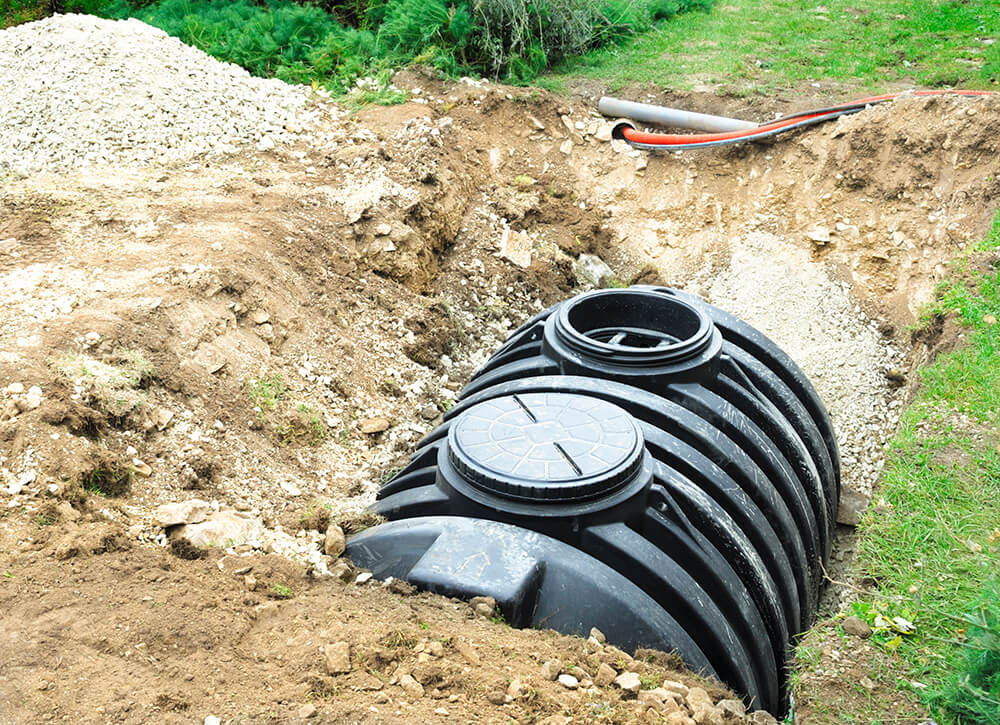
The time it takes to replace a septic tank depends on a few factors. Sometimes the fix is simple, but even if it’s not, here’s how long it takes to replace a septic tank.